
TL;DR

Get baking supplies delivered free — and shop member deals
- Fast, free delivery on millions of items
- Access to Prime Big Deal Days deals on October 6–7
- Prime Video, Amazon Music and more included
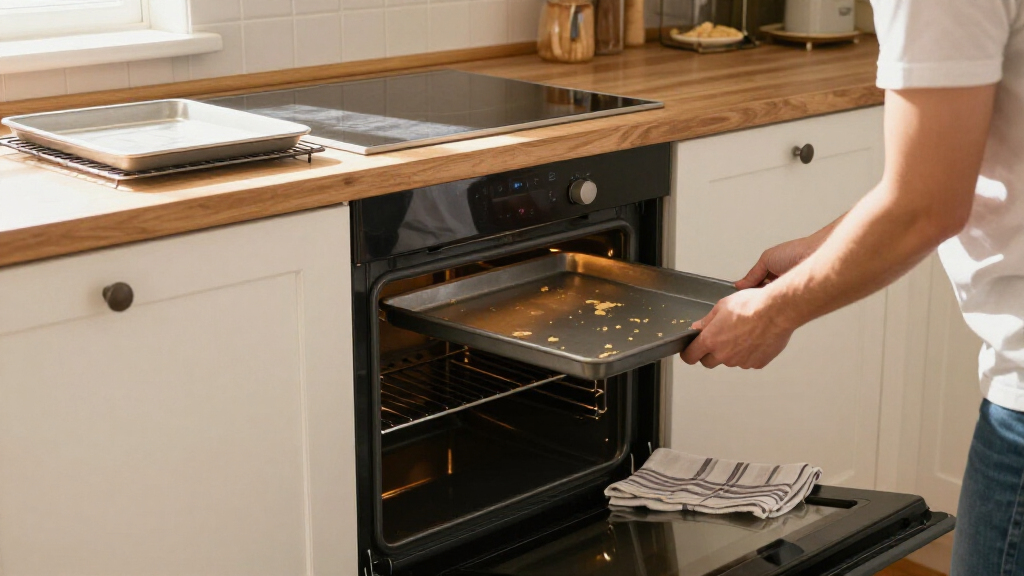
A Good Housekeeping report says sheet pans and other stored items can interfere with heat circulation when an oven is in use, potentially affecting cooking and adding strain to the appliance. The most immediate risk is forgetting what is inside before turning the oven on; the report recommends keeping the oven clear and using only a compatible oven liner for drips.
A Good Housekeeping report advises households to remove sheet pans and other stored items before using an oven, saying they can disrupt heat circulation and create a risk if forgotten. The report cites AO.com appliance expert Jade Golding-Gault, who says the practice may affect cooking performance and put additional demand on oven components.
Golding-Gault told Good Housekeeping that baking trays or pans left inside a working oven can restrict airflow and make heat circulate less efficiently. The effect depends on the item’s size and position and the oven setting: a large pan on the floor may obstruct airflow in a fan oven, while a tray on the lowest shelf can absorb heat from below in a conventional oven. The report says those conditions may contribute to uneven cooking.
The report also says an oven that takes longer to cook food uses more energy over time. It cites Go Compare’s estimate that a 2,000-watt electric oven costs 53 pence per hour while in use, or £192.36 a year, and calculates that an extra 10 minutes of operation per hour would add about £30 to annual costs. That is an illustrative estimate; the report does not specify the assumptions behind that calculation or say how much a stored pan typically changes an oven’s running time.
Golding-Gault said prolonged or repeated use with items inside can place extra demand on heating elements and fan systems. The report also warns that pans repeatedly heated unintentionally may become discolored or degraded, especially if they are not made for prolonged high temperatures. Forgotten items with plastic or rubber handles, packaging or other non-oven-safe materials may melt or become damaged and, in some cases, pose a fire risk.
How Stored Pans Can Affect Cooking
Leaving cookware inside can have practical effects beyond the inconvenience of removing it before cooking. If a tray blocks the fan’s airflow or absorbs heat in the oven’s lower area, food may cook unevenly, according to the expert cited by Good Housekeeping. The report does not provide test results quantifying how often this happens or how large the effect is.
The possible energy and repair costs are also gradual rather than guaranteed. The report says an oven may need to run longer and that added demand could contribute to wear on components. It gives no data showing that storing a pan alone will cause a breakdown, but keeping the oven clear removes one possible source of obstruction and avoids unintentionally heating unsuitable items.
The Case for an Empty Oven
The report focuses on a common storage workaround: using the oven as extra cupboard space when it is switched off, or leaving a spare tray on the oven floor to catch spills. Its central concern is not that a pan is automatically unsafe while the oven is off. The risk arises when someone starts cooking without first checking what has been left inside, or leaves an item in place during use.
For residue and drips, the report points to a reusable oven liner as an alternative to a spare tray. Golding-Gault advises checking that the liner is compatible with the specific oven and replacing it if warped or damaged. The report says these liners often last around six months, but recommends checking the product maker’s guidance for the correct replacement schedule.
“If items, such as baking trays or pans, are left inside the oven when it’s in use, they can restrict airflow and prevent heat from circulating as efficiently around the space.”
— Jade Golding-Gault, AO.com appliance expert, as quoted by Good Housekeeping
What the Cost Estimate Leaves Open
The report does not include controlled measurements showing how much a stored pan changes cooking time, energy use or the likelihood of component failure. Its annual cost figure is presented as an example based on an oven running 10 extra minutes per hour; the comparison assumptions are not detailed, and the estimate may not reflect an individual household’s oven, electricity rate or cooking habits.
It is also not clear how often pans left inside cause damage or a fire. The report describes potential risks, particularly from unsuitable materials, but does not cite incident data. Liner compatibility and replacement timing depend on the product and oven, so readers need to follow the relevant manufacturers’ instructions.
Check the Oven Before Cooking
Households can act on the report’s advice by checking the oven cavity before switching it on and finding trays and pans a regular storage place outside it. Anyone using an oven liner should confirm that the product is compatible with their model and inspect it for warping or damage, replacing it in line with the manufacturer’s guidance.
The report does not announce a new rule or appliance guidance; it offers household advice based on an expert’s comments. Any further detail about energy savings or appliance wear would require measurements that the supplied report does not provide.
Key Questions
Can I store a sheet pan in the oven while it is switched off?
The report’s main concern is what happens when the oven is used. A stored pan can be forgotten, and an item left inside during cooking may affect airflow or heat distribution. Check that the oven is empty before turning it on.
Why can a pan affect cooking?
According to AO.com expert Jade Golding-Gault, a pan may restrict airflow in a fan oven or absorb heat when placed low in a conventional oven. The report says this can contribute to less even cooking, depending on the oven setting and the pan’s position.
Does storing a tray in the oven definitely raise my energy bill?
No specific increase is established for every household. The report says an oven that takes longer to cook may use more energy and gives an illustrative annual estimate, but it does not provide measurements for the typical effect of a stored tray.
What can I use to catch spills instead of a tray?
The report suggests a reusable oven liner, provided it is compatible with the oven. Follow the liner maker’s instructions and replace it if it becomes warped or damaged.
Source: rss
Fall Picks
fall essentials
As an affiliate, we earn on qualifying purchases.