
TL;DR

Get baking supplies delivered free — and shop member deals
- Fast, free delivery on millions of items
- Access to Prime Big Deal Days deals on October 6–7
- Prime Video, Amazon Music and more included
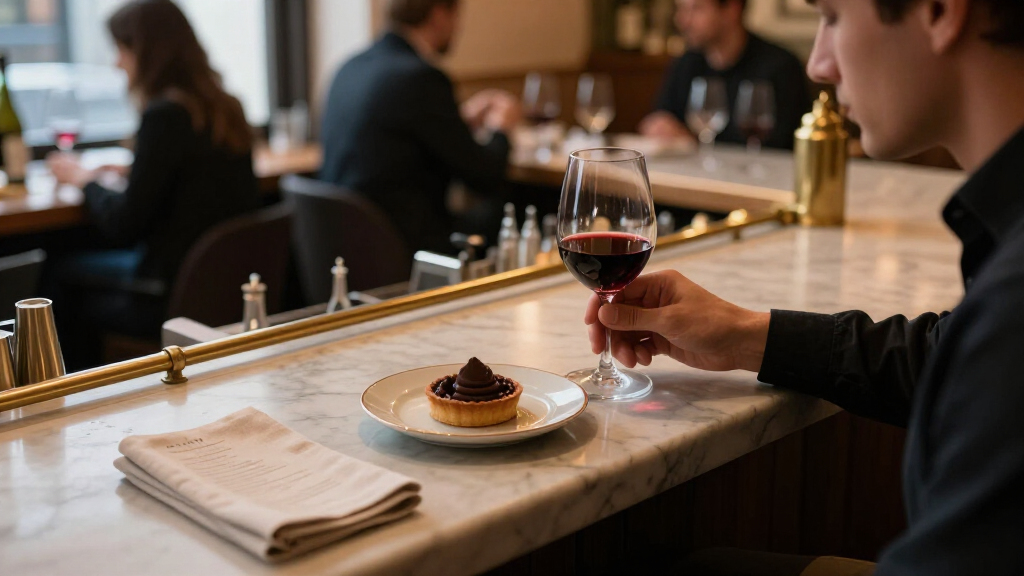
Restaurants that describe themselves as wine bars are gaining attention in the U.S. and are appearing in other markets, according to a VinePair report. Operators and consultants say the label can signal a casual, social experience built around wine and shareable, higher-quality food; its financial effects are not quantified in the report.
Restaurants calling themselves wine bars are gaining prominence in the United States and appearing in other countries, according to a VinePair report, as operators pair substantial food menus with wine-focused programs and a more casual dining experience. The trend received a high-profile U.S. spotlight when New York’s Lei, which describes itself as a wine bar, won the James Beard Foundation’s best new restaurant award.
Lei’s award followed favorable reviews, including recognition as a New York Times Critic’s Pick and coverage by The New Yorker, Eater and Time Out, VinePair reported. The award placed a venue using the “wine bar” label in a category generally associated with restaurants, illustrating how the boundary between the two formats has become less distinct. The source characterizes the award as a high point for the model in the United States, rather than evidence that every restaurant is adopting it.
Lei’s spokesperson told VinePair that the wine list came first and that the food was developed to work with a broad range of wines. The restaurant serves dishes including shao bing, celtuce and short rib, according to the report. Consultants interviewed by VinePair describe the broader model as combining wine-led lists with carefully prepared smaller dishes, often meant for sharing, and a less formal approach to service.
The report also points to Cult, a wine-focused restaurant in Bruges, Belgium, which opened in late 2024 and describes itself on its website as “Wijnbar & Apero, Restaurant.” Co-founder Kees Dobbelaar said the venue’s mixed description reflects a desire to welcome guests for different kinds of visits, drawing on experience at a local bar that added food after customers sometimes left after a drink or two. Cult has an extensive kitchen and serves dishes including dry-aged steak, VinePair reported.
A New Pitch for Dining Out
The label can shape what customers expect before they arrive. Consultant Jonathan Pogash told VinePair that calling a venue a wine bar suggests a more casual, social setting than a conventional fine-dining restaurant. That may help a place offer ambitious cooking without signaling a formal, occasion-only meal. The format also gives guests a reason to visit for a glass or small plate rather than committing to a full dinner.
For restaurant operators, the approach can connect the wine program, food, service and room design into one coherent offer. Jarl de Vries, a beverage consultant, told VinePair that wine can act as a signal of quality across the rest of the experience. The source says operators see potential business advantages, but provides no sales figures, profit margins or other data establishing the financial impact. Any claimed benefit to a venue’s bottom line should therefore be treated as an industry rationale, not a measured result.
As an affiliate, we earn on qualifying purchases.
From Wine Bars to Full Kitchens
Wine bars have a long history, and U.S. versions gained visibility well before the current wave. The distinction described in the VinePair report is the greater emphasis on substantial cooking: these newer venues can go well beyond cheese, charcuterie and snacks while keeping wine central to their identity. In 2022, New York Times wine critic Eric Asimov wrote about full-service restaurants using the wine-bar label and the questions that raised about the category.
Pogash linked the wider appeal of less formal dining to economic pressures and the period after Covid, while the report notes that the trend’s precise starting point is not established. De Vries described its international reach as growing, citing work across several regions, but the article does not provide a count of venues or a country-by-country survey. Its examples—from New York to Bruges—show the model in different markets, not its prevalence worldwide.
“Wijnbar & Apero, Restaurant.”
— Kees Dobbelaar, Cult co-founder
How Wide the Trend Reaches
The report does not quantify how many restaurants use the wine-bar label, how quickly the number is changing, or how common the model is outside the cited examples. De Vries’s assessment of international growth is an industry observation, not a global census. It is also unclear whether the format produces higher profits: the source discusses possible commercial advantages but gives no comparable operating or financial data. The James Beard award recognizes Lei; it does not establish that the award body endorses a broader trend.
More Evidence From New Openings
The source identifies no announced next milestone, industry forecast or scheduled follow-up. The clearest way to gauge whether the model is continuing to spread will be to track new openings and how restaurants describe their food, wine programs and service. Further awards, reporting and operator data could show whether “wine bar” remains a useful identity for full-service restaurants—and whether the commercial benefits claimed by some operators appear in measurable results.
Key Questions
What does a wine-bar restaurant serve?
According to the VinePair report, these venues center their identity on wine while serving more substantial food than traditional snacks or cheese and charcuterie alone. Some offer smaller, shareable dishes; Lei and Cult also serve more developed menus.
Why call a full-service restaurant a wine bar?
Consultants quoted by VinePair say the label can suggest a casual, social atmosphere and set expectations around a wine-led experience. The report also describes it as a way to welcome guests for drinks and food without implying that a formal, full dinner is required.
Does the trend extend beyond the United States?
VinePair reports examples in Europe, including Cult in Bruges, and cites a consultant who sees the model growing internationally. The report does not provide figures showing how widespread it is globally.
Does the wine-bar model improve restaurant profits?
The report describes potential business advantages, including attracting guests for shorter visits, but offers no financial data to confirm that wine-bar restaurants earn higher profits.
Source: rss
Fall Picks
fall essentials
As an affiliate, we earn on qualifying purchases.