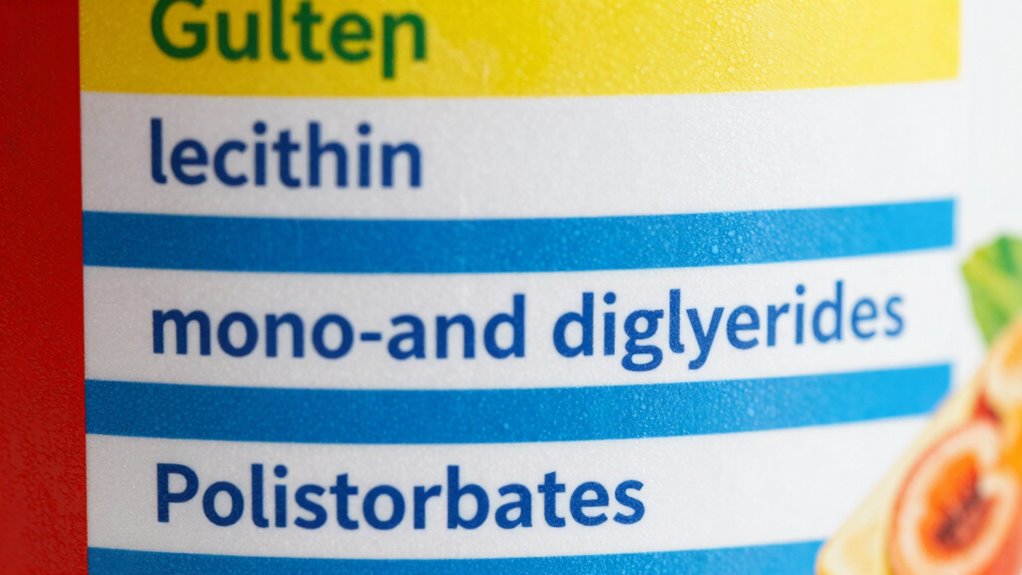
You’ll notice emulsifiers listed under different names on labels because of variations in chemical sources, processing methods, and regional regulations. Manufacturers choose names like lecithin, mono- and diglycerides, or polysorbates to reflect ingredient origins or to appeal to consumer perceptions of natural or artificial. Regulations also influence how these ingredients are disclosed, leading to multiple names for the same additive. Keep exploring to understand how this impacts what goes into your food.
Open a free Amazon Business account
Business pricing, bulk buying and tax-exempt orders.
As an affiliate, we earn on qualifying purchases.
Key Takeaways
- Emulsifiers have various chemical names based on their composition and source, leading to different label listings.
- Regional regulations influence how emulsifiers are named and disclosed on food labels.
- Manufacturers may choose names that appeal to consumer perceptions, such as “natural” or “synthetic.”
- Some emulsifiers are listed under multiple names depending on processing methods or origin.
- Labeling laws require transparency, but terminology varies to reflect legal and marketing considerations.

Ever wondered what those mysterious ingredients listed as “emulsifiers” on food labels really mean? You’re not alone. Emulsifiers are additives that keep ingredients like oil and water mixed, preventing separation and guaranteeing your food looks and feels consistent. But they often appear under different names, making it confusing to identify what’s really inside your products. Manufacturers use various terms, such as lecithin, mono- and diglycerides, polysorbates, and more, because each name refers to different chemical or natural agents that serve the same purpose. This variety isn’t just about technical differences; it’s also influenced by regulations and marketing strategies.
Understanding why emulsifiers have multiple labels starts with recognizing that different countries have distinct regulatory frameworks. Some authorities categorize certain emulsifiers as food additives, requiring them to be listed explicitly, while others allow broader terms. Manufacturers might choose to use names that sound more natural or appealing to consumers, especially as clean-label trends grow. For example, “lecithin” is often perceived as a more natural ingredient because it’s derived from soy, eggs, or sunflower seeds. Conversely, synthetic emulsifiers like polysorbates are more processed but may be cheaper or more effective. The regulatory landscape influences what ingredients can be labeled and how they’re described, leading to a patchwork of terminology. Food labeling regulations also impact how these ingredients are disclosed, which can vary widely across regions. Additionally, some ingredients may be listed under multiple names depending on their source or processing method, further complicating the label.
Regulations vary worldwide, influencing how emulsifiers are labeled—natural-sounding names versus synthetic options—shaping consumer perceptions and choices.
If you’re seeking natural alternatives, you’ll notice that some products advertise ingredients like egg yolks, mustard, or honey, which naturally contain emulsifying properties. These options are often more transparent and align with consumer desires for minimally processed foods. However, they aren’t always feasible for large-scale manufacturing or shelf stability, which is why many companies rely on artificial emulsifiers. Still, regulatory considerations play a significant role here too. Food safety agencies set limits on certain emulsifiers, and labeling laws dictate how ingredients must be listed. These rules aim to ensure transparency and protect consumers from undisclosed additives, but they also mean that manufacturers sometimes choose terminology that fits within legal frameworks while still maintaining product functionality.
Being aware of the different names for emulsifiers also helps you understand the chemical composition of processed foods, which can influence your purchasing decisions. By paying attention to ingredient lists and understanding the context behind each name, you can better navigate the complex world of food additives and select products that align with your preferences and values.
As an affiliate, we earn on qualifying purchases.
Frequently Asked Questions
Are All Emulsifiers Safe to Consume?
Not all emulsifiers are inherently unsafe, but their safety depends on emulsifier sourcing and regulations. Some emulsifiers are thoroughly tested and approved by regulatory agencies, making them generally safe for most people. However, others may have limited research or come from less regulated sources, which can raise concerns. Always check labels and trusted sources, and stay informed about emulsifier regulations to make safer choices for your health.
Do Natural Emulsifiers Differ From Artificial Ones?
Natural emulsifiers come from natural sources like egg yolks, mustard, or soy, and are often perceived as healthier options. Artificial additives, however, are synthetically made and may contain preservatives or chemicals. While both types help blend ingredients smoothly, natural emulsifiers typically offer a more organic profile and fewer concerns about potential side effects. Your choice depends on your dietary preferences and health considerations.
Can Emulsifiers Cause Allergic Reactions?
Yes, emulsifiers can cause allergic reactions in some people. Their allergenic potential varies, and in certain individuals, they trigger immune responses, leading to symptoms like hives or digestive issues. While most emulsifiers are safe for general consumption, it is crucial to check ingredient labels if you have food sensitivities. If you notice reactions, consult a healthcare professional and consider avoiding products with emulsifiers to prevent adverse immune responses.
Why Do Some Labels List Multiple Emulsifiers?
You notice multiple emulsifiers on labels because manufacturers aim for ingredient sourcing diversity and labeling transparency. Sometimes, different emulsifiers serve specific functions or are sourced from various suppliers, prompting multiple listings. This layered approach helps companies meet safety standards and cater to different dietary needs. Ultimately, seeing several emulsifiers signals a commitment to transparency and quality control, ensuring you’re informed about what’s inside your food.
How Can I Identify Hidden Emulsifiers in Processed Foods?
To identify hidden emulsifiers in processed foods, look closely at ingredient codes like E-numbers, which indicate emulsifier functions. These codes help you spot emulsifiers that might not be obvious by name. Check the ingredients list for terms like lecithin, mono- and diglycerides, or polysorbates. Being familiar with common emulsifier functions allows you to recognize them even when they’re labeled differently, helping you make healthier choices.
Conclusion
You might think all emulsifiers are the same, but their different names on labels can be confusing. Some brands use alternative terms to hide additives or meet marketing goals. While these ingredients often serve the same purpose—stabilizing products—you should stay vigilant. The theory that manufacturers use different names to hide harmful additives isn’t entirely unfounded. By reading labels carefully, you can make more informed choices and avoid unwanted surprises in your food.
Fall Picks
fall essentials
As an affiliate, we earn on qualifying purchases.