
Extracts are concentrated liquids that capture specific flavors, perfect for subtle enhancements. Pastes are thick, rich blends with herbs or fruits, offering robust and immediate flavor. Flavor oils are highly concentrated, oil-based, and best used for finishing or drizzling to add depth. Each has a unique texture and potency, so choosing the right one depends on your intended use. If you want to master flavoring, there’s more to uncover below.

Get baking supplies delivered free — and shop member deals
- Fast, free delivery on millions of items
- Access to Prime Big Deal Days deals on October 6–7
- Prime Video, Amazon Music and more included
Key Takeaways
- Extracts are concentrated, alcohol-based liquids capturing specific compounds for subtle, precise flavoring.
- Pastes are thick, rich blends with herbs or fruits, offering a robust flavor and versatile use.
- Flavor oils are highly concentrated, oil-based extracts ideal for finishing touches and adding depth.
- Extraction methods influence flavor intensity, purity, and the form’s suitability for different culinary applications.
- Proper measurement is essential; extracts are subtle, while pastes and oils are potent and can overpower dishes.
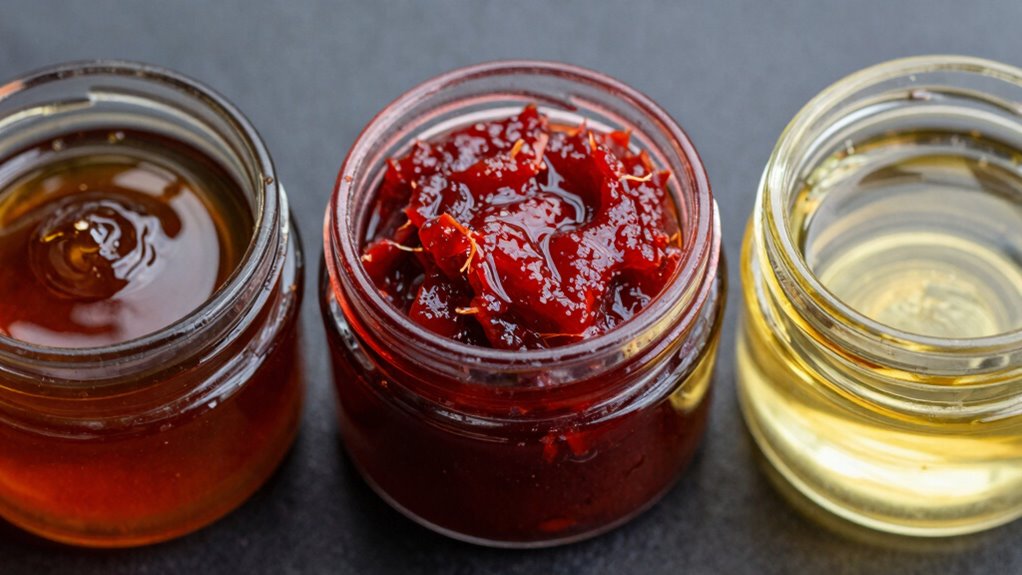
Understanding the differences between extracts, pastes, and flavor oils is essential for achieving the perfect taste in your cooking or baking. Each of these flavoring agents offers distinct qualities, primarily due to how they’re made and their flavor concentration. When you’re working with herbal extraction, you’re pulling out specific compounds from herbs or fruits, capturing their essence in a concentrated form. This process results in extracts that carry a potent, pure flavor without additional ingredients. You’ll notice that extracts are usually alcohol-based, which helps preserve the herbal compounds and intensifies the flavor, making them ideal for recipes where a subtle, yet distinct, taste is needed.
Pastes are quite different from extracts. They’re typically thick, concentrated blends that include herbs or fruits combined with a carrier such as sugar, syrup, or oil. The herbal extraction process for pastes involves blending and sometimes cooking to develop a rich, full-bodied flavor. Because of their viscosity, pastes deliver a higher flavor concentration than many extracts, which means you can use less of them to achieve the desired taste. Pastes are perfect when you want a robust, immediate burst of flavor in your dish, like adding a spoonful to a sauce or dessert. Their texture also makes them versatile, allowing you to incorporate them directly into recipes without needing additional preparation.
Flavor oils, on the other hand, are highly concentrated oils infused with herbs, fruits, or spices. These oils are extracted through methods like steam distillation or cold pressing, which preserve the delicate aromatic compounds. The flavor concentration in these oils is typically very high, so a little goes a long way. Since they are oil-based, they’re especially suitable for drizzling, marinades, or finishing touches on a dish. They tend to have a more intense aroma and flavor, which can elevate your culinary creations with minimal effort. Be cautious when using flavor oils because their potency can easily overpower a dish if measured incorrectly.
In addition, extraction methods play a crucial role in determining the flavor profile and potency of each type of flavoring agent. In essence, your choice among extracts, pastes, and flavor oils hinges on the level of herbal extraction and flavor concentration you need. Extracts offer a pure, concentrated essence ideal for subtle flavoring. Pastes provide a thick, potent boost of flavor with a richer texture. Flavor oils deliver intense aroma and taste, perfect for finishing or adding depth. Understanding these differences ensures you select the right type for your recipe, allowing you to control flavor intensity and achieve the best results in your culinary adventures.
As an affiliate, we earn on qualifying purchases.
Frequently Asked Questions
Are Extracts Always Alcohol-Based?
No, extracts aren’t always alcohol-based. While many use alcohol content as a solvent during extraction methods to preserve flavors, some extracts are created using alternative solvents like glycerin or oil. The choice depends on the intended use and desired shelf life. So, when shopping, check labels—some extracts contain alcohol, and others don’t, reflecting different extraction methods and product qualities.
Can Pastes Be Used Interchangeably With Extracts?
Sure, you can swap pastes for extracts, but don’t expect a perfect match. Pasts vs extracts differ in consistency and concentration, so substitution guidelines vary. Pastes are thicker and often more intense, meaning you might need less or dilute them. Think of it like replacing syrup with liquid; it works, but the flavor might not be as bright. Use caution and taste as you go to get the right balance.
Do Flavor Oils Contain Artificial Ingredients?
Flavor oils can contain artificial ingredients, but some are made with natural preservation methods and minimal additives. It’s crucial to check labels carefully, as artificial additives are often used to extend shelf life or enhance flavor. If you prefer to avoid artificial ingredients, look for flavor oils labeled as natural or with no artificial additives. Always read product descriptions to guarantee they meet your preference for natural ingredients.
How Long Do Flavor Oils Last?
Flavor oils typically last between 1 to 2 years, but shelf life variations depend on storage. Like a well-tended garden, they thrive when kept in a cool, dark place away from light and heat. Proper storage recommendations can extend their freshness, ensuring your flavors stay vibrant longer. Keep the lid tight, and you’ll enjoy the rich taste for months, making every dish as flavorful as the first.
Are There Health Benefits to Using Natural Extracts?
Yes, natural extracts can offer health benefits thanks to their natural antioxidant properties, which help combat free radicals and support your immune system. Their chemical composition differences make them richer in beneficial compounds compared to synthetic alternatives. Using natural extracts may also promote better overall health, as they’re less processed and contain fewer additives, making them a smart choice for those seeking to enhance flavor while supporting wellness.
Conclusion
So, next time you reach for an extract, paste, or flavor oil, remember they each bring their own magic to your kitchen. It’s like discovering a hidden garden behind a familiar door—each one offers a different burst of flavor, transforming your dishes in unexpected ways. Whether it’s a splash of oil or a dab of paste, these little differences can turn an ordinary meal into something extraordinary, all waiting to be uncovered in your own culinary backyard.
Fall Picks
fall essentials
As an affiliate, we earn on qualifying purchases.