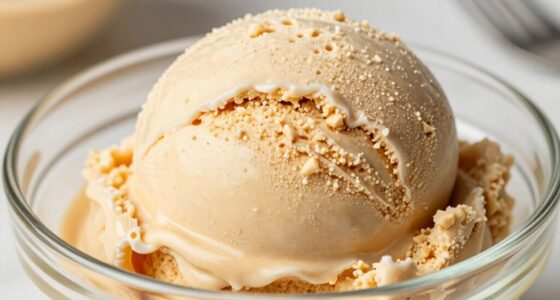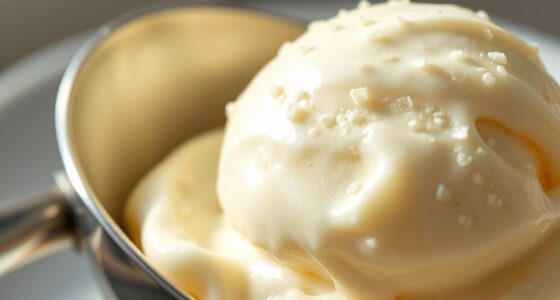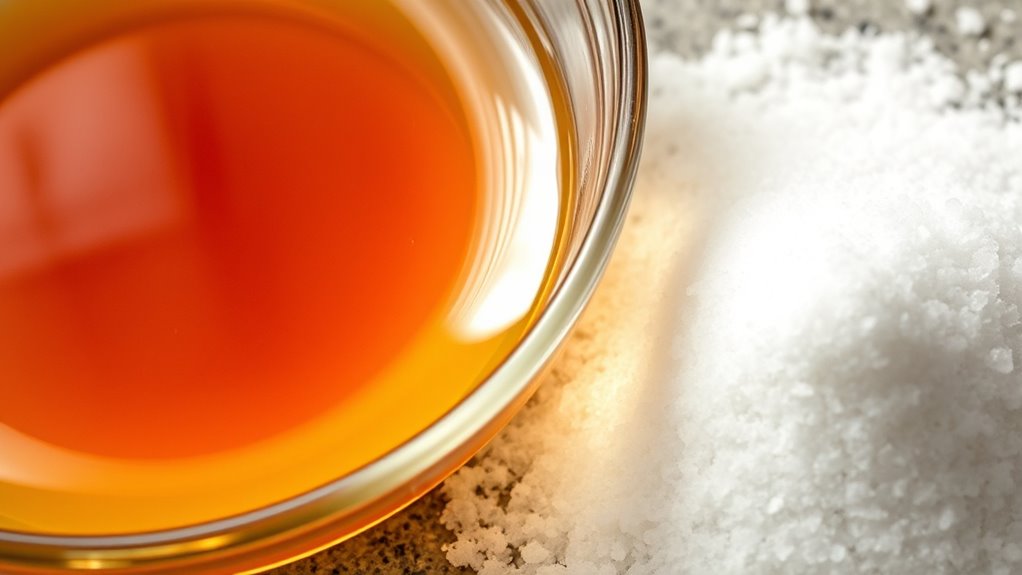

Sucrose and corn syrup play key roles in shaping food texture by affecting moisture, viscosity, and mouthfeel. Sucrose dissolves easily, helping baked goods stay tender and moist, while corn syrup creates smooth, glossy textures in candies and preserves. Both sweeteners influence softness, chewiness, and overall mouthfeel. Understanding their functions can help you better appreciate how they contribute to your favorite foods—and if you keep exploring, you’ll uncover even more about their impacts.

Get baking supplies delivered free — and shop member deals
- Fast, free delivery on millions of items
- Access to Prime Big Deal Days deals on October 6–7
- Prime Video, Amazon Music and more included
Key Takeaways
- Sucrose and corn syrup affect moisture retention, viscosity, and mouthfeel, shaping the overall texture of food products.
- Sucrose dissolves easily, promoting tender crumb in baked goods, while corn syrup provides smooth, glossy textures in candies.
- Both sweeteners influence softness, chewiness, and moisture levels, impacting product shelf life and sensory qualities.
- Natural sweeteners like honey and maple syrup can mimic their effects but may alter texture subtly due to water content.
- Understanding these effects helps in selecting and adjusting ingredients for desired food textures and consumer preferences.

Have you ever wondered what makes foods taste sweet? The answer lies in sugars like sucrose and ingredients such as corn syrup, which play a essential role in shaping the texture of many foods. These sweeteners don’t just add flavor; they influence moisture, viscosity, and mouthfeel, transforming the way you experience food. When you bite into a cookie or sip on a soft drink, it’s the interaction of these sugars with other ingredients that creates that desirable softness or chewiness. Sucrose, derived from sugar cane or sugar beets, dissolves easily, helping baked goods develop a tender crumb and a moist interior. Corn syrup, a liquid sweetener made from cornstarch, contributes to a smooth, glossy texture in candies and preserves. Both are vital in food manufacturing for achieving specific textures and prolonging shelf life.
Sugars like sucrose and corn syrup shape food texture, moisture, and mouthfeel, creating the perfect bite or sip.
However, the widespread use of these sweeteners raises questions about health implications. Excessive consumption of sucrose and corn syrup has been linked to health issues such as obesity, diabetes, and dental problems. These concerns have led many consumers to seek natural alternatives—like honey, maple syrup, or agave nectar—that can provide sweetness while offering additional nutrients. Natural alternatives often contain beneficial compounds, antioxidants, and minerals that processed sugars lack, making them appealing choices for those mindful of their health. Yet, it’s important to remember that natural doesn’t automatically mean healthier; they still contain sugars that can impact health if consumed in excess.
In terms of texture, natural sweeteners can sometimes mimic the effects of sucrose or corn syrup, but they may also introduce subtle differences. For instance, honey’s viscosity and moisture-retaining properties can enhance baked goods, but its strong flavor might alter the final product’s taste. Maple syrup adds moisture and a distinct aroma, which can change the texture and flavor profile of recipes. When using natural alternatives, you often need to adjust recipes to account for their water content and sweetness level. While they can be a healthier option, their impact on texture isn’t always identical to refined sugars, so experimentation is key.
Ultimately, understanding how sucrose and corn syrup influence food texture helps you appreciate the science behind your favorite treats. Considering the health implications, many now explore natural alternatives to satisfy their sweet tooth without compromising health. Whether you stick with traditional sugars or opt for more natural options, being aware of their effects on both texture and health empowers you to make more informed choices.
As an affiliate, we earn on qualifying purchases.
Frequently Asked Questions
How Do Sucrose and Corn Syrup Affect Shelf Life?
Sucrose and corn syrup help extend shelf life by acting as preservatives, which reduce moisture and inhibit microbial growth. You’ll notice that foods with these sweeteners stay fresher longer because they enhance preservation effects and improve microbial stability. By binding water and lowering water activity, they prevent spoilage, ensuring your products remain safe and tasty over extended periods. This makes sucrose and corn syrup essential for maintaining product quality and longevity.
Can Alternative Sweeteners Mimic Sucrose’s Textural Effects?
Imagine you’re in a Victorian laboratory—alternative sweeteners can mimic sucrose’s textural effects, but it’s tricky. These sweeteners offer natural sweetness and can enhance mouthfeel, yet often fall short in replicating sucrose’s precise crystallization and viscosity. You might find some success with blends or specialized ingredients, but achieving exact texture remains challenging. So, while you can get close, a perfect mimic isn’t always guaranteed.
Do Different Types of Corn Syrup Alter Product Texture?
Different types of corn syrup do alter product texture through variations in their composition. Light corn syrup offers a smooth, glossy consistency, ideal for texture modification in candies and baked goods. Dark corn syrup adds richness and viscosity, enhancing chewiness. Corn syrup variations influence moisture retention and mouthfeel, allowing you to customize textures in recipes. By selecting the right type, you can effectively control the final product’s texture and overall sensory experience.
How Does Sugar Influence the Crystallization Process?
You influence sugar crystal formation by controlling sucrose saturation during cooking. When you heat a sugary solution, avoiding excess sucrose saturation prevents unwanted crystals. If you add seed crystals or agitate, you encourage crystal growth. To minimize crystallization, keep the solution clear by maintaining proper temperature and stirring gently. Your goal is to balance sucrose levels so crystals form only when you want them, ensuring the desired texture in your product.
Are There Health Impacts Linked to Sugar-Based Versus Alternative Sweeteners?
You should be aware that sugar-based sweeteners like sucrose and corn syrup can pose health risks, such as increased risk of obesity, diabetes, and metabolic effects like insulin resistance. Alternative sweeteners may reduce these risks, but some can cause digestive issues or other side effects. It’s best to moderate your intake of both and choose options that suit your health needs while being mindful of their long-term impacts.
Conclusion
Understanding how sucrose and corn syrup affect texture helps you make better baking choices. Did you know that corn syrup can keep baked goods moist for up to 20% longer than those without it? By choosing the right sweetener, you can enhance both taste and texture in your recipes. So next time you’re baking, consider how these sweeteners influence your treat’s feel—your taste buds and your baked goods will thank you!
Fall Picks
fall essentials
As an affiliate, we earn on qualifying purchases.