TL;DR

Get baking supplies delivered free with Prime
- Fast, free delivery on millions of items
- Prime Video, Amazon Music and more included
- Member-only deals all year
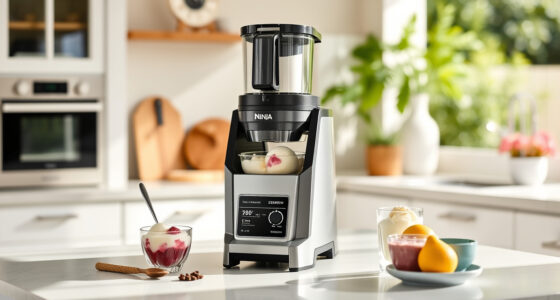
An ice cream maker machine chills and churns a mixture as it freezes, breaking up ice crystals and adding air for a smoother texture. Pre-frozen bowl models suit occasional batches, while compressor machines can handle repeat batches without an overnight freeze; whichever you choose, chill the base first and follow the machine’s capacity and cleaning instructions.
A bowl of homemade ice cream can go from silky and scoopable to a hard, icy block with one small mistake: a warm base or a bowl that never got cold enough. An ice cream maker machine helps control that freezing process by chilling and churning the mixture at the same time.
You’ll learn what the machine actually does, how the main types compare, and what to check before buying one. You’ll also get practical steps for making a smoother batch, from chilling the base to storing leftovers safely.
Think of churning like stirring a slushy sidewalk before it turns to solid ice. The machine keeps the mixture moving while it freezes, but your recipe, preparation, and machine capacity still shape the result. A simple model can make excellent ice cream when you use it well.
A pre-frozen bowl model suits occasional batches if you can spare freezer space and plan ahead.
A compressor machine can make consecutive batches without a pre-frozen bowl, which can help frequent users.
Chill the base first, follow the machine’s capacity limit, and allow a few hours for freshly churned ice cream to firm.
Icy texture often comes from a warm base, slow freezing, or a recipe whose sugar, fat, and water balance needs adjustment.
Follow the manual for cleaning, and keep electrical or motor parts away from water unless the manufacturer permits washing.
How an Ice Cream Maker Machine Turns a Cold Base Into Dessert
An ice cream maker machine cools and churns a liquid base as it freezes, breaking up ice crystals and incorporating air so the finished dessert feels smoother than a mixture frozen untouched in a container. The paddle keeps the base moving against the chilled bowl, where ice forms first. That movement is a bit like sweeping fresh snow before it packs into a hard sheet.
Churning does not make every recipe identical. A rich custard base, a dairy-free coconut base, and a fruit sorbet freeze differently because their water, sugar, and fat levels differ. For example, a strawberry mixture with lots of juice can become icy unless the recipe balances that water with sugar or another suitable ingredient.
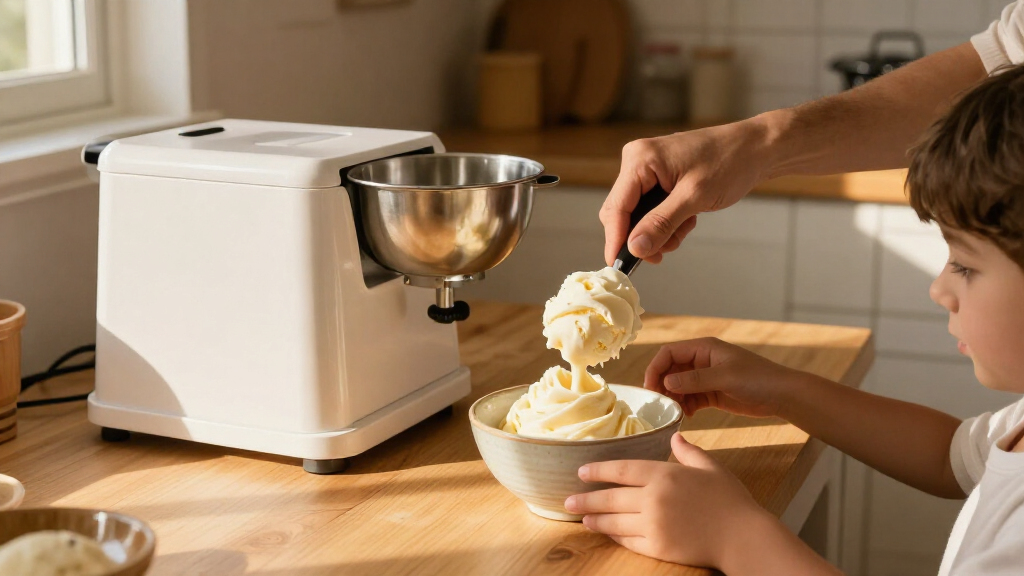
Most machines produce a soft, scoopable texture straight from the churn, closer to soft serve than a firm supermarket tub. Put it in a covered freezer-safe container for a few hours to harden. If you serve it straight away at a family barbecue, expect it to melt faster in warm air than a fully hardened batch.
Ingredients also affect freezing. Too much alcohol can keep a mixture from firming properly, while a low-sugar, low-fat recipe may freeze unusually hard. That doesn’t mean you can’t make lighter or plant-based ice cream; it means you should use a recipe developed for those ingredients rather than simply removing sugar or cream from a standard one.
Products Worth Considering

Instant Pot InstantChill Ice Cream Maker with Rolled Ice Cream, 2-Pint

Breville BES870XL Barista Express Espresso Machine

KitchenAid Artisan 5-Qt Tilt-Head Stand Mixer – Almond Cream (KSM150PS)
As an affiliate, we earn on qualifying purchases.
Choose the Machine Type That Fits Your Kitchen Routine
The main difference between ice cream maker machines is how they get cold: a pre-frozen bowl needs advance planning, a compressor cools itself, and an ice-and-salt machine uses a packed outer tub. Your best fit depends on how often you make dessert, how much room you have, and whether you want one batch or several.
| Machine type | What you need to do | Good fit |
|---|---|---|
| Pre-frozen bowl | Freeze the removable bowl thoroughly, often overnight | Occasional small batches and compact kitchens |
| Compressor | Plug in the built-in cooling unit | Frequent use or back-to-back batches |
| Ice and salt | Pack the canister with ice and salt, then churn | Group gatherings and larger batches |
| Manual or mixer attachment | Crank by hand or freeze an attachment bowl | Hands-on use or an existing stand mixer |
Imagine you want to make one pint of vanilla ice cream on a quiet Saturday. A pre-frozen bowl model may suit you well if you have freezer space and remember to chill it. If you’re hosting a party and expect to make chocolate, then lemon sorbet, a compressor model can keep the next batch moving without waiting for a bowl to refreeze.
Ice-and-salt machines can serve a crowd, but the ice and salt add preparation and cleanup. Manual makers offer an electricity-free option, though cranking takes effort. Check the model’s instructions and rated capacity before buying: a machine that claims a large bowl can still require headroom for the mixture to expand as it churns.
Check These Details Before You Buy
Choose a machine by matching its batch size, footprint, preparation time, and cleaning needs to your real routine. A feature list matters less than whether the appliance fits on your counter and whether you’ll remember to freeze its bowl. For occasional dessert makers, a modest pre-frozen bowl model may be enough; frequent cooks may value a compressor’s ability to make consecutive batches.
- Batch size: Check the rated capacity and leave the headroom the manual specifies. Overfilling can stop the paddle from moving the mixture properly.
- Storage: Measure cupboard height and freezer space. A removable bowl still needs room to sit flat and freeze.
- Noise: If your kitchen opens into the living room, look for operating-noise information or owner reports; a motor can run for 20–40 minutes.
- Cleaning: See which parts detach and whether the paddle and bowl need hand washing.
- Dessert range: Many machines can make ice cream, gelato, sorbet, or frozen yogurt, but the recipe and machine settings matter.
For example, a small apartment cook who makes one batch a month may prefer a bowl that stores in a freezer drawer over a heavy compressor unit that takes up counter space. A household that serves homemade dessert every weekend may find the larger appliance easier to use because it removes the wait between batches.
Digital timers and controls appear on many current models, and some machines are marketed for dairy-free, high-protein, or lower-sugar desserts. Treat those labels as a starting point, not a promise that every recipe will work. Check current product details and the manufacturer’s capacity guidance before deciding.
Follow These Steps for Creamier Homemade Ice Cream
For a smoother batch, chill the base, use the machine as directed, and let the churned dessert firm in the freezer. Preparation matters because a cold base freezes faster once it enters the machine. If you pour in warm custard, the machine has to remove more heat before it can build the texture you want.
- Prepare the base. Follow a recipe suited to your dessert and machine. If it contains cooked custard, cool it promptly and refrigerate it in a covered container.
- Chill thoroughly. Start with a cold base, and freeze a pre-frozen bowl for the period specified by its manual—often overnight.
- Churn within the capacity limit. Leave space for expansion and follow the manufacturer’s timing and operating directions.
- Add mix-ins near the end. Fold in chocolate chips or chopped nuts when the recipe and machine instructions recommend.
- Harden and store. Transfer the ice cream to a clean, covered freezer-safe container and freeze for a few hours for a firmer scoop.
Say you’re making chocolate chip ice cream for Friday night. Chilling the base on Thursday and freezing the bowl overnight turns the churning day into a short, predictable job. If the mixture comes out soft, that’s normal; give it time in the freezer instead of running the machine far beyond its instructions.
For food safety, keep dairy or egg-containing bases refrigerated while they wait, and don’t leave them sitting at room temperature for extended periods. Check your recipe’s handling directions and your appliance manual. Homemade ice cream may be harder to scoop after long storage, especially if the recipe contains little sugar or fat; a brief rest at room temperature can soften it enough to serve.
Fix Icy Texture and Other Common Batch Problems
Icy homemade ice cream usually points to a warm base, slow freezing, or an ingredient balance that doesn’t suit the recipe. Before blaming the machine, check whether the bowl was fully frozen and whether the mixture started cold. A machine can churn well and still produce a coarse texture if the base takes too long to freeze.
If your vanilla batch resembles crunchy snow, first confirm the bowl’s freeze time and try chilling the base longer. If those steps are right, look at the recipe: a watery fruit puree may need a tested balance of sugar and other ingredients. Sugar affects both sweetness and how the mixture freezes, so cutting it sharply can leave the dessert harder or icier.
If the paddle stops or the mixture rises above the bowl’s recommended fill line, the batch may be too large. Next time, make a smaller quantity. Add-ins such as nuts or chocolate can also crowd the paddle if you put them in too early, so wait until near the end when the base has thickened.
A batch that stays soft may contain too much alcohol or another ingredient that lowers the freezing point. Alcoholic additions are for adults only; use them sparingly, follow a tested recipe, and serve responsibly. For dairy-free recipes, coconut or other plant-based ingredients can create a pleasing texture, but recipe ratios matter. A direct swap for cream does not always freeze the same way.
Make the Machine Easy to Use Again Next Week
A machine you can clean and store easily is more likely to earn a place in your routine. Follow the manufacturer’s cleaning directions, especially for compressor units and electric parts. Removable bowls and paddles may have different washing instructions, and a motor base should not be immersed unless the manufacturer explicitly says it is safe.
After making a batch, unplug the machine and clean removable parts as directed. If a little base has dried onto the paddle, a short soak for that removable part in warm water with a drop of dish soap can loosen it; check the manual first, and don’t soak electrical components. Dry pieces fully before storage to avoid stale smells or trapped moisture.
Think of a small apartment kitchen where the bowl lives in the freezer between batches. That can make spontaneous dessert easier, but only if the bowl sits flat and has room to freeze properly. A compressor model avoids that freezer-space problem, though it needs its own storage spot and may weigh enough that moving it after each use becomes a chore.
Keep the machine’s capacity and recipe notes together. If a half batch churned well but a full one did not, write that down. Those small observations help you repeat the good result and save you from guessing the next time ripe peaches or a tub of cream need using up.
Frequently Asked Questions
Do I need to freeze the bowl first?
Only if your model uses a pre-frozen bowl; those bowls often need to freeze overnight. Compressor machines cool themselves, while ice-and-salt models chill a canister with ice and salt. Follow the instructions for your specific machine.
How long does it take to make ice cream?
Churning commonly takes around 20–40 minutes, though the model and recipe affect timing. Preparation, freezing a bowl if needed, and hardening the dessert in the freezer add time. Plan ahead if you want firm scoops for dinner.
Can I make gelato or sorbet in an ice cream maker?
Many machines can make gelato, sorbet, and frozen yogurt as well as ice cream. Use a recipe suited to the dessert and your machine, because ingredient balance and churning affect texture. Check whether the model offers settings for those styles.
Is a compressor machine worth the extra cost?
A compressor machine can be worthwhile if you make frozen desserts often or want to churn several batches in a row. It costs more, weighs more, and needs storage space. For a small batch now and then, a pre-frozen bowl model may do the job.
Can I make dairy-free or egg-free ice cream?
Yes. Plant-based and egg-free recipes work in many machines, although their texture can differ from a dairy custard. Choose a recipe developed for those ingredients instead of making a simple one-to-one swap. Common allergens can include milk, eggs, peanuts, and tree nuts, so check labels and avoid cross-contact if someone has an allergy.
Conclusion
Pick an ice cream maker machine that matches how often you’ll use it and where you’ll store it. Then give every batch its best chance: start cold, respect the capacity line, and let the fresh churn firm in the freezer.
The machine does the turning, but your preparation sets the texture. A well-chilled bowl and base can turn a quiet evening into the sound of a paddle stirring soft, cold sweetness into shape.