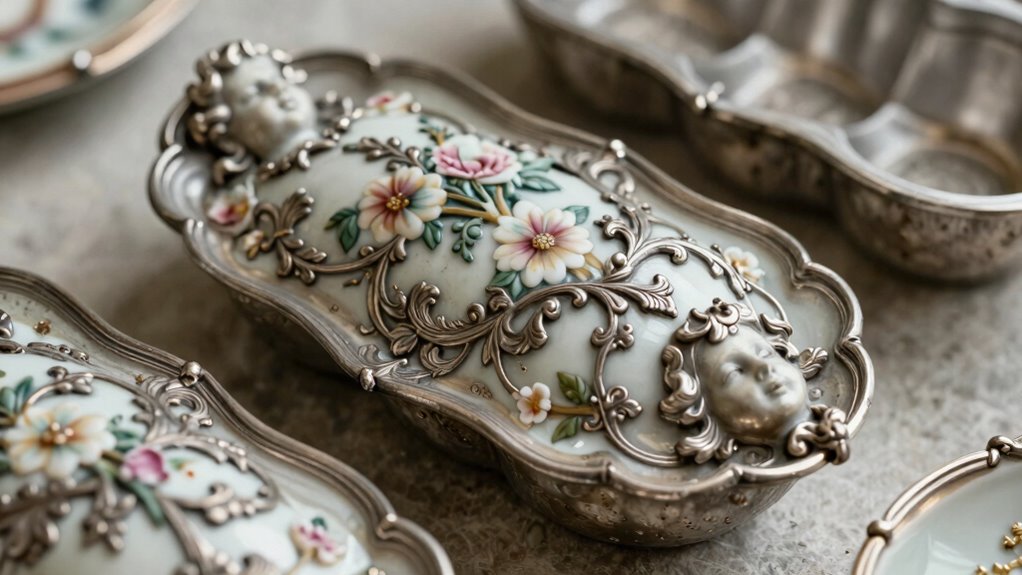

Victorian ice cream molds are a fascinating glimpse into a time when food was crafted as an art form. You’ll find designs that feature floral motifs, cherubs, animals, and architectural shapes, transforming simple desserts into decorative masterpieces. These molds were treasured heirlooms, symbolizing elegance, craftsmanship, and social status. Made from durable materials like tin and bronze, their intricate details have stood the test of time. Discover more about this enchanting world and the unique artistry behind these historic creations.
Key Takeaways
- Victorian ice cream molds are intricate, decorative tools reflecting the era’s emphasis on ornate food presentation and artistic expression.
- They served as symbols of wealth, taste, and craftsmanship, often displayed prominently in grand Victorian homes.
- Created from tin or bronze through detailed metal casting techniques, ensuring durability and high-quality ornamentation.
- Common motifs included floral patterns, cherubs, animals, and architectural elements, elevating ice cream into a decorative art form.
- Today, these molds are preserved as cultural artifacts, representing Victorian elegance and the artistic flair of historical culinary presentation.
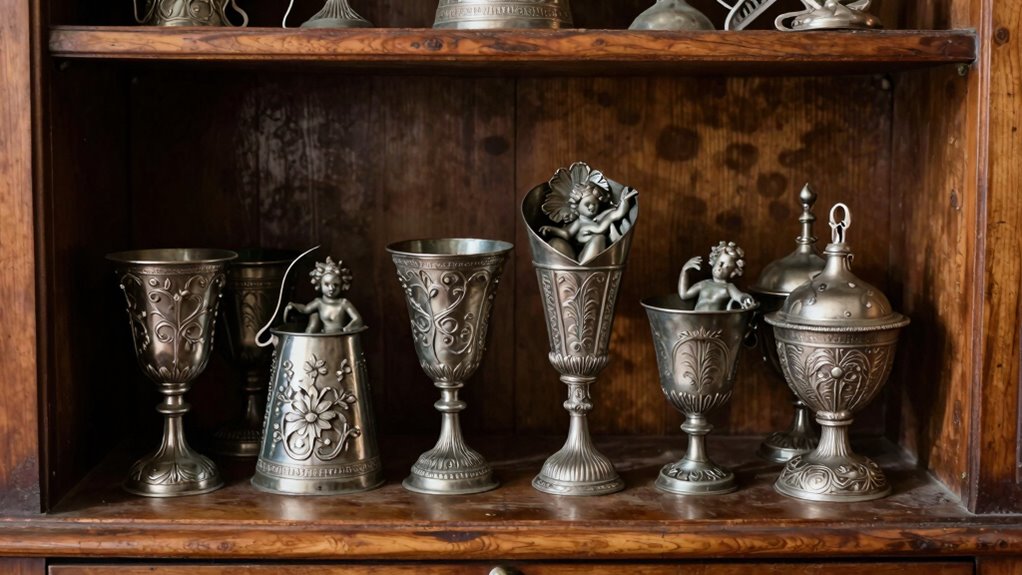
Victorian ice cream molds offer a fascinating glimpse into the era’s fascination with ornate and decorative food presentation. During this period, food was more than sustenance; it was a form of art, a way to display wealth, taste, and social status. These molds were crafted with precision, often made from tin or bronze, showcasing the era’s advanced methods of historical manufacturing. The intricate details of each mold reflect a time when artisans devoted hours to perfecting their craft, transforming simple ice cream into a visual spectacle. You can imagine the effort that went into creating these pieces, each one a miniature sculpture designed to impress guests at elaborate gatherings. Their artistic design was not only functional but also an expression of creativity, blending craftsmanship with aesthetic appeal.
In their heyday, Victorian ice cream molds were prized possessions, often passed down through generations or displayed prominently in grand homes. The molds themselves were often shaped into elaborate motifs—floral patterns, cherubs, animals, or architectural elements—each reflecting the popular themes of the time. You might have seen molds that resembled ornate urns, delicate filigree, or romantic figures, all designed to elevate the humble act of serving ice cream into a luxurious event. The artistic design was essential; it turned a simple dessert into a centerpiece that captured the eye and sparked conversation. Every detail was carefully considered, from the delicate scrollwork to the three-dimensional figures, making each mold a small masterpiece.
The manufacturing process of these molds was meticulous. Skilled artisans used their craftsmanship to cast and finish each piece, ensuring that every detail was crisp and precise. This emphasis on high-quality manufacturing meant that many molds survived for decades, their ornate patterns still enchanting today. Additionally, the use of metal casting techniques allowed for intricate and durable designs that could withstand repeated use and aging. Modern preservation methods help maintain their beauty, allowing us to appreciate their historical significance even today. You can appreciate how these molds reflect not just the culinary trends of the Victorian era but also the broader cultural values—an era obsessed with elegance, beauty, and detailed craftsmanship. As a result, Victorian ice cream molds stand as a tribute to a time when food was a form of artistic expression, blending the practical with the decorative. Their legacy endures as a symbol of a bygone era of indulgence and artistic flair, reminding us of the elaborate ways Victorians celebrated even the simplest pleasures.
As an affiliate, we earn on qualifying purchases.
Frequently Asked Questions
How Were Victorian Ice Cream Molds Originally Manufactured?
You’d find Victorian ice cream molds were originally crafted through vintage craftsmanship, often hand-carved from materials like copper or tin. Artisans used decorative techniques, embossing intricate patterns onto the metal to create elaborate designs. They then assembled the molds carefully, ensuring the details held. These handcrafted methods resulted in beautiful, detailed molds that showcased Victorian artistry and skill, making each piece a unique decorative and functional item.
What Materials Were Commonly Used for Victorian Ice Cream Molds?
You’ll find that Victorian ice cream molds were commonly made from materials like tin, silver, and copper, chosen for their durability and ability to hold intricate designs. These materials supported the historical design trends of the era, allowing artisans to craft detailed, ornate shapes. Their material durability guaranteed the molds could withstand repeated use and maintain their ornate appearance, making them both practical and decorative pieces in Victorian kitchens.
Are Victorian Ice Cream Molds Considered Valuable Collectibles Today?
Victorian ice cream molds are considered valuable collectibles today, attracting keen collector interest. Their antique market value depends on factors like rarity, condition, and craftsmanship. If you own or find one, it could be quite sought after, especially if it’s well-preserved or unique. Collectors cherish these molds for their historical charm and decorative appeal, making them a fascinating addition to any vintage or culinary collection.
How Did Victorian Molds Influence Modern Ice Cream Presentation?
Victorian molds dramatically shaped modern ice cream presentation with their ornate, intricate designs. You see Victorian aesthetics reflected in today’s creative cones and stunning sundaes, inspired by historic craftsmanship. Modern reinterpretations borrow the elaborate elegance of Victorian molds, blending tradition with trend. This influence helps you appreciate the artistry behind ice cream, transforming simple treats into spectacular visual feasts that echo Victorian elegance and craftsmanship.
Were Victorian Ice Cream Molds Used for Any Other Purposes?
Victorian ice cream molds were often used for decorative gelatin desserts and aspics, showcasing the era’s culinary innovations. You might find them used in historical refrigeration techniques, where molds helped shape chilled dishes before modern refrigeration. These molds also served as artful presentation tools, blending functionality with aesthetics. Their versatility reflects Victorian society’s fascination with elaborate, visually appealing foods, influencing both culinary practices and decorative arts of the time.
Conclusion
You now see how Victorian ice cream molds transport you to a world of elegance, whimsy, and craftsmanship. You appreciate the artistry behind each design, the craftsmanship that brought imagination to life, and the nostalgia that lingers in every detail. You realize that these molds aren’t just tools—they’re memories, stories, and moments frozen in time. Embrace the charm, the history, the wonder—they’re all part of this lost world waiting to be rediscovered.