

TL;DR

Get baking supplies delivered free with Prime
- Fast, free delivery on millions of items
- Prime Video, Amazon Music and more included
- Member-only deals all year
The Florentine’s November 2026 issue marks 60 years since the Arno flooded Florence on November 4, 1966. Its editor’s letter connects accounts from survivors and international volunteers with conservation work and recently completed flood defences.
The Florentine’s November 2026 issue marks 60 years since the Arno flooded Florence on November 4, 1966, using survivor accounts and historical reporting to examine the disaster’s lasting lessons. The magazine’s editor’s letter links the volunteers who helped clear the city with current efforts to protect its residents and cultural heritage.
The issue revisits the flood through the memories of people who experienced it, including international volunteers remembered as the Mud Angels and Florentines who organized relief. The editor’s letter says those accounts show that the city’s importance rests not only on its cultural heritage, but also on its people and the communities they build.
Among the people featured is Giannozzo Pucci, who was 22 when the flood struck. According to the editor’s letter, Pucci helped coordinate Scouts’ relief work and later took charge of volunteers who shoveled mud and salvaged belongings. The letter says he remembered the happiness of working without pay for a cause that mattered.
The issue also draws on recollections from former students of Florida State University and Stanford in Florence, whose study experiences became connected to relief and community. It reports that friendships formed at the time have endured and that a new generation of students is taking part in community service to honour that legacy.
From Flood Memories to Preparedness
The anniversary coverage connects a historic disaster to the ongoing work of preparing for future floods. Florence completed a €15 million flood-defence programme in October, according to the editor’s letter. It uses removable barriers to protect more than 4.5 kilometres of urban riverbanks.
The account presents the project as one part of a broader approach involving engineering, forecasting and emergency planning. It does not claim the barriers eliminate flood risk. Instead, the anniversary provides a reason to consider how protection measures can safeguard residents and heritage while retaining the character of the historic riverfront.
The flood also changed the work of art conservation, the letter says, bringing researchers, restorers and historians together to develop methods for saving damaged works. The issue’s focus on conservation and at-risk heritage sites places that work alongside the human response: preserving a city means protecting both its collections and the communities connected to them.
Products Worth Considering
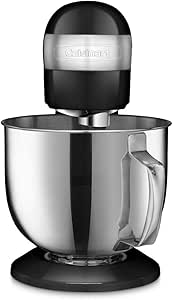
Cuisinart SM-50BK Stand Mixer, 5.5 Quart, 12 Speed, Onyx

KitchenAid 28 oz Cold Brew Coffee Maker, KCM4212

Le Creuset Enameled Cast Iron Round Bread Oven, 9.5-Inch, Cerise
As an affiliate, we earn on qualifying purchases.
The 1966 Flood and Its Legacy
On November 4, 1966, the Arno burst its banks and left parts of Florence covered in mud, oil and debris. The magazine describes the event as one of the darkest moments in the city’s modern history. Recovery drew help from local residents and volunteers who arrived from other countries, some of whom became known as the Mud Angels.
The November issue places those accounts alongside other aspects of Florence’s past. It covers an exhibition at the Museo degli Innocenti on Artemisia Gentileschi’s years in Florence from 1613 to 1620. According to the editor’s letter, the exhibition brings together more than 50 works and examines a period in which Gentileschi received Medici commissions and became one of the first women admitted to the Accademia delle Arti e del Disegno.
The issue also includes a conversation with Joe Tordella, the new U.S. consul general in Florence, about ties between the United States and Tuscany. The letter frames the Mud Angels’ contribution as an example of how cultural and educational connections can become direct acts of assistance.
Limits of the Anniversary Account
The source is an editor’s letter describing the contents of a magazine issue, not a technical assessment of Florence’s current flood risk. It does not provide details about the flood-defence programme’s design, operating conditions, projected performance or the risks it is intended to address. The claim that barriers protect more than 4.5 kilometres of riverbanks is reported by the letter; it gives no independent evaluation of their effectiveness.
The letter also does not specify how many people contributed to the 1966 relief efforts, provide a full account of the flood’s losses, or give detailed findings from the conservation research. Those matters are not settled by the anniversary issue’s summary. The article’s descriptions of volunteers’ motivations and the meaning of their work are editorial framing, alongside the reported personal recollections.
Anniversary Events and Coverage
The magazine announced a launch event for its November anniversary issue on November 5, 2026, from 6 to 8 p.m. at Palazzo Bartolini Salimbeni in Florence. The free vernissage for Tender Monuments is scheduled to include a live interview with multidisciplinary artist Vittoria Colonna and painter Cristine Balarine. The magazine asks attendees to RSVP by email.
The issue’s anniversary coverage is now available in print and digital formats, according to the source. Further discussion of Florence’s flood preparations would require information from city or regional authorities about how the barriers operate and how they fit into emergency plans; the editor’s letter does not set out a future review or performance milestone.
Key Questions
What is The Florentine’s November 2026 issue about?
It marks 60 years since the November 4, 1966 flood and features accounts from survivors, volunteers and former students, along with coverage of conservation, flood defences and Florence’s cultural history.
Who were the Mud Angels?
The name refers to international volunteers who helped Florence after the flood, including by shoveling mud and salvaging belongings, as described in the editor’s letter.
What flood protections did Florence complete?
The editor’s letter says Florence completed a €15 million programme in October involving removable barriers intended to protect more than 4.5 kilometres of urban riverbanks. It provides no technical assessment of the barriers’ performance.
When is the issue’s launch event?
The announced vernissage for Tender Monuments is scheduled for November 5, 2026, from 6 to 8 p.m. at Palazzo Bartolini Salimbeni. The event is listed as free, with an RSVP requested.
Source: theflorentine.net