Paletas and popsicles may seem similar but differ in flavor, ingredients, and cultural roots. Paletas, from Mexico, are made with fresh fruits, herbs, and spices, offering bold, natural flavors and creamier textures. Popsicles, originating in the U.S., rely on artificial flavors and tend to be lighter and icy. Understanding these differences can help you choose the perfect treat for any mood—keep exploring to learn even more.
Key Takeaways
- Paletas are traditionally handmade Mexican treats made with fresh, natural ingredients, emphasizing authentic flavors and regional ingredients.
- Popsicles originated in the U.S. and often contain artificial flavorings, dyes, and a more commercialized production process.
- Paletas tend to have thicker, creamier textures with chunked or pureed fruits, while popsicles are typically lighter and more icy.
- Flavor profiles differ: paletas highlight bold, culturally inspired ingredients; popsicles offer a wider variety of often artificial or dessert-inspired flavors.
- Nutritional differences include paletas’ use of real fruit and fewer additives, making them potentially healthier than many mass-produced popsicles.
What Are Paletas and Popsicles?
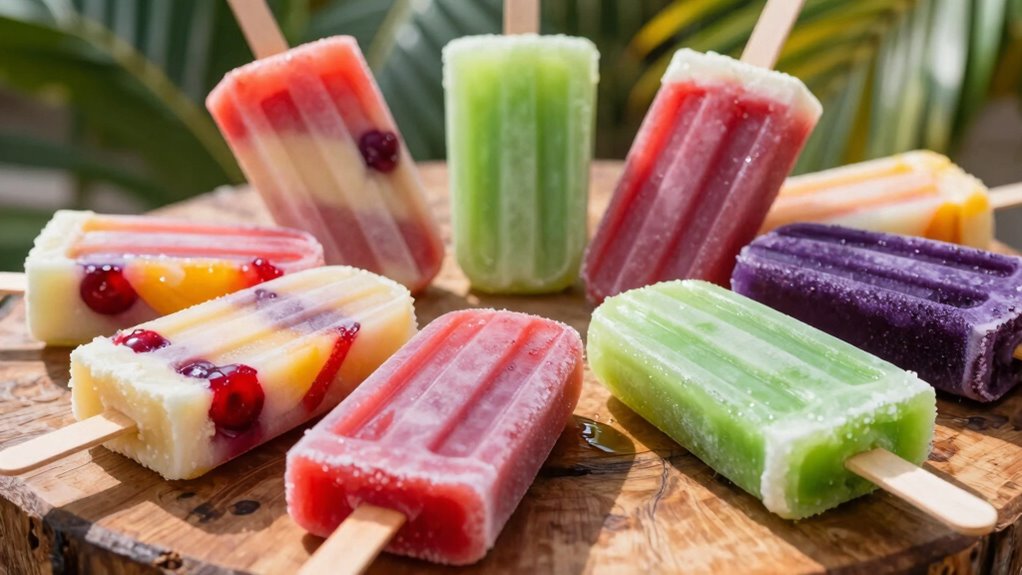
Have you ever wondered what sets paletas apart from traditional popsicles? Paletas have rich cultural origins rooted in Mexico, where they’re made using traditional recipes passed down through generations. These frozen treats often feature fresh, natural ingredients like fruits, herbs, and spices, giving them vibrant flavors and textures. Unlike standard popsicles, which might rely on artificial flavorings and dyes, paletas emphasize authenticity and simplicity. The traditional recipes highlight local ingredients, making each bite a taste of cultural history. Additionally, artisanal production methods contribute to the quality and authenticity of paletas, setting them apart from mass-produced frozen treats. This focus on regional ingredients and traditional techniques enhances their cultural significance and unique appeal. For many, making paletas at home is also a cherished tradition that preserves these cultural practices. The use of traditional techniques often involves manual processes that further distinguish paletas from commercial popsicles. These craft methods are often carried out in small batches, ensuring freshness and a personal touch in every treat.
Where Do Paletas and Popsicles Come From?

Paletas and popsicles each have unique origins that reflect their cultural backgrounds and regional influences. Historically, popsicles originated in the United States in the early 1900s, with the invention credited to an 11-year-old boy named Frank Epperson. They quickly gained popularity as a simple frozen treat for warm weather, becoming a staple in American culture. Paletas, on the other hand, have deep roots in Mexico and Latin America, where their traditional recipes date back centuries. Their cultural significance extends beyond mere refreshment, often symbolizing community gatherings and seasonal celebrations. Both treats highlight regional tastes and ingredients, representing more than just dessert—they embody their cultural histories and regional identities. Understanding their origins offers insight into their enduring popularity worldwide.
What Are They Made Of? Key Ingredients and Textures
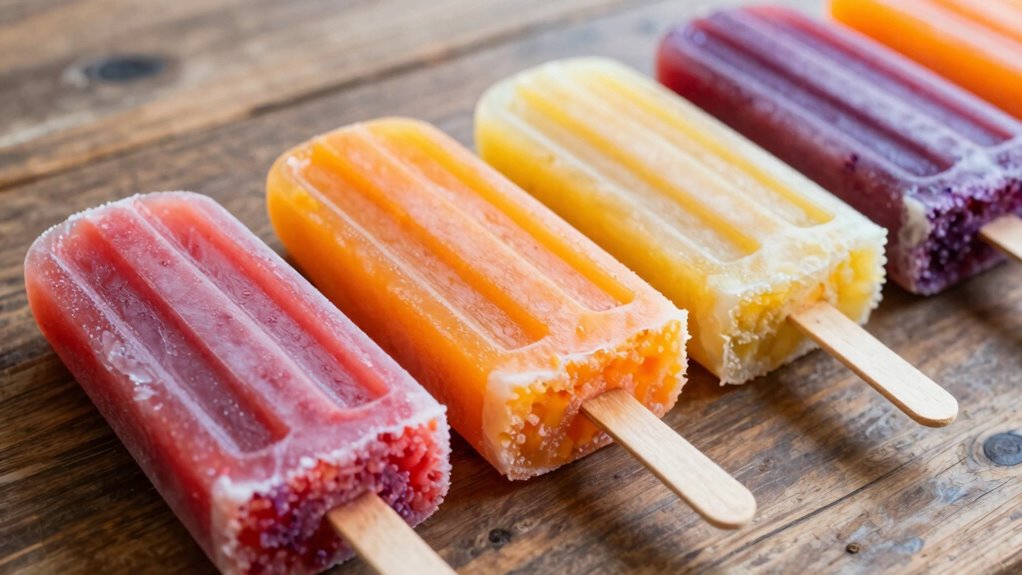
While both paletas and popsicles are frozen desserts, their ingredients and textures differ considerably. Paletas typically use fresh fruit, pureed or chopped, combined with water, milk, or cream, resulting in a creamier or more textured bite. Popsicles often rely on fruit juices, flavored sugars, and sometimes sweetened water, giving them a smoother, icy consistency. These key ingredients influence their flavor profiles; paletas tend to offer more natural, intense fruit tastes, while popsicles can have a broader range of artificial or enhanced flavors. Texture-wise, paletas are often thicker and creamier, especially if milk or cream is involved, whereas popsicles are usually lighter, icy, and more invigorating. Both serve as delicious ways to enjoy frozen desserts, each with distinct ingredient bases. Additionally, different preparation methods impact the final texture and flavor experience of each treat. For example, the freezing process can be adjusted to alter the firmness or creaminess of the final product, highlighting the importance of technique in achieving the desired consistency. Understanding frozen dessert techniques can help in customizing the texture and flavor for a perfect treat. Moreover, the choice of ingredients and methods can also affect the nutritional profile, making some options healthier or more indulgent depending on your preferences.
How Do Flavors and Variations Differ?

Flavors and variations of paletas and popsicles reflect their different ingredient bases and cultural roots. Paletas often feature bold, authentic flavor combinations inspired by traditional recipes, such as mango with chili or coconut with lime. They frequently incorporate seasonal ingredients, emphasizing freshness and regional produce. Additionally, the natural ingredients used in paletas contribute to their vibrant flavors and regional appeal. The use of fresh, local produce further enhances their authentic taste and regional identity. Popsicles, on the other hand, tend to offer a wider range of flavor variations, including candy-like options, fruit blends, or dessert-inspired creations. They often experiment with unique flavor combinations, sometimes using artificial or processed ingredients for variety. While paletas highlight natural, seasonal ingredients, popsicles focus on diverse flavor profiles, appealing to a broad spectrum of tastes. This distinction showcases how each frozen treat caters to different cultural preferences and flavor innovation. Additionally, the cultural significance of each type influences their popularity and traditional pairings in various regions.
Furthermore, the ingredient sources of these treats play a crucial role in shaping their distinct characteristics and regional appeal.
How to Choose the Perfect Frozen Treat for Summer
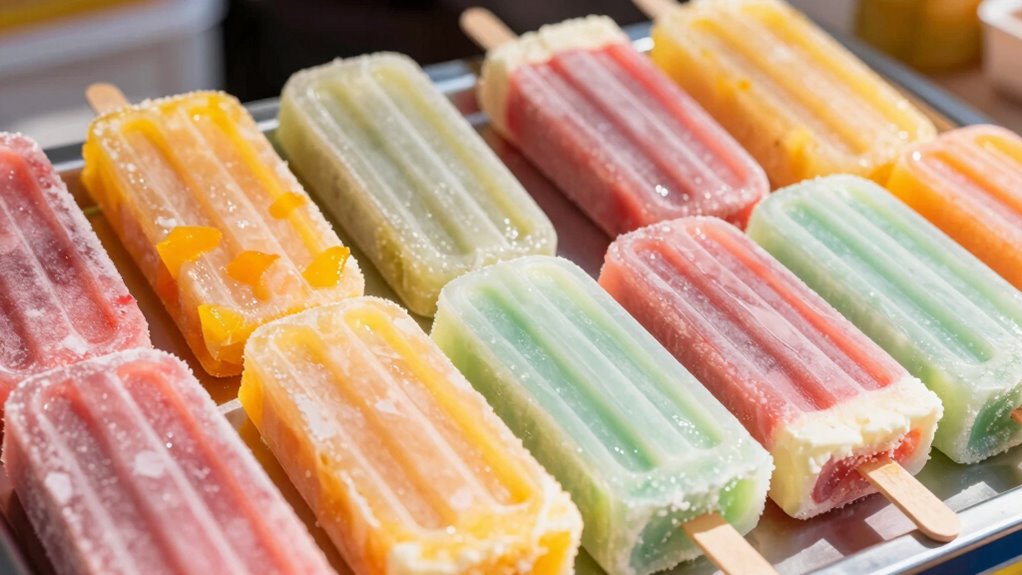
When picking the perfect summer frozen treat, consider your flavor preferences and the variety available. Think about the texture you enjoy, whether it’s smooth or chunky, and how it feels with each bite. Don’t forget to account for dietary needs or restrictions to find a treat that’s both delicious and suitable for you.
Flavor Variety Options
Choosing the right frozen treat depends largely on your flavor preferences, as both paletas and popsicles offer a wide variety of options. Paletas often feature vibrant fruit combinations inspired by cultural influences, such as mango with chili or coconut with pineapple. Popsicles tend to have more straightforward flavors like cherry or grape, but they also come in creative blends. Additionally, the art of Italian espresso can be a great inspiration for sophisticated flavor pairings in frozen treats. Here’s a quick comparison:
| Paletas | Popsicles |
|---|---|
| Fruit combinations + spices | Classic fruit flavors |
| Cultural influences | Simple, familiar tastes |
| Natural ingredients | Artificial flavor options |
Your choice hinges on whether you want complex, culturally inspired flavors or more traditional, familiar tastes. Exploring flavor variety options can help you discover the perfect frozen treat to beat the summer heat. Understanding the impact of natural ingredients and how they enhance flavor complexity can be particularly useful, especially since halal-certified ingredients are important for many consumers seeking compliant options. Additionally, experimenting with innovative flavor pairings can elevate your frozen treat experience beyond the basics.
Texture and Consistency
The texture and consistency of your frozen treat can make all the difference on a hot summer day. When choosing between paletas and popsicles, consider these factors:
- Ice crystal size: Smaller crystals create a smoother, more enjoyable experience, while larger ones can feel icy and gritty. The size of ice crystals is influenced by freezing methods and storage conditions, affecting overall quality. Proper freezing techniques can help achieve finer ice crystals, resulting in a better mouthfeel.
- Creamy vs. icy: Creamy textures come from ingredients like milk or cream, offering a rich feel. Icy treats are lighter and more invigorating but can be more brittle.
- Mouthfeel: Paletas often have a thicker, creamier consistency, while popsicles tend to be firmer and more icy. Your preference depends on whether you want indulgence or revitalization.
- Manufacturing process: Some frozen treats are made with a churned or blended method that influences their texture and overall mouthfeel, similar to the manufacturing techniques used in electric bike motors to optimize performance. These processes help achieve the desired smoothness or firmness depending on the final product. Additionally, the filtration and pump protection techniques used in manufacturing ensure consistency and quality, much like maintaining equipment in food production.
Matching texture with your mood will help you pick the perfect summer treat.
Dietary Preferences Considerations
Your dietary preferences can considerably influence which frozen treat is best for you. When choosing between paletas and popsicles, consider their nutritional content and how they align with your dietary restrictions. For example, if you’re watching your sugar intake, look for options with lower added sugars or natural sweeteners. Vegans or those with dairy allergies should opt for fruit-based paletas or popsicles made with plant-based ingredients. Some treats contain allergens like nuts or gluten, so check labels carefully. If you’re on a specific diet, such as keto or paleo, select options that fit within your macronutrient goals. Knowing your dietary restrictions helps you enjoy a revitalizing summer treat without compromising your health or dietary needs.
Myths About Paletas and Popsicles: Busted!
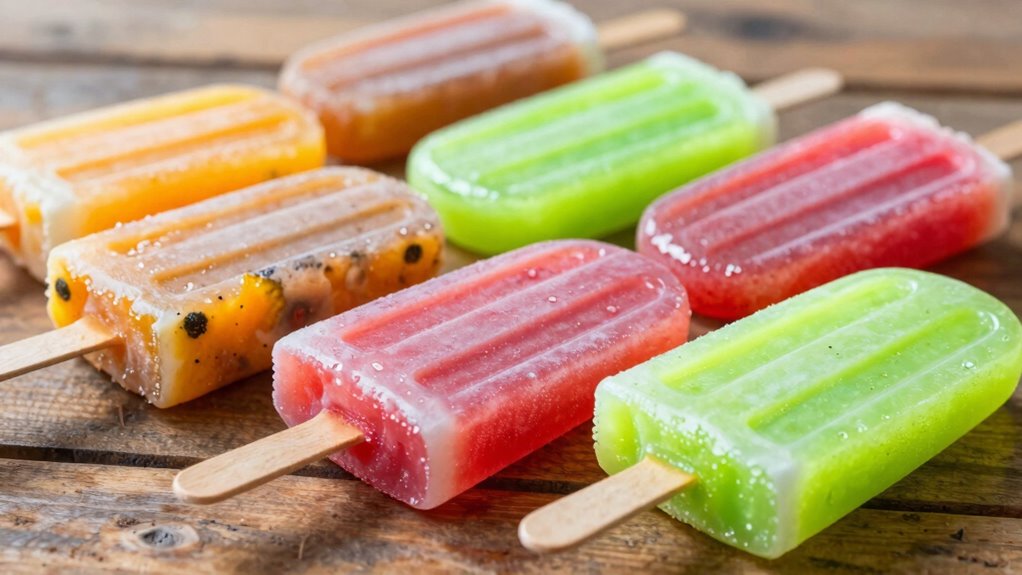
Many common beliefs about paletas and popsicles are actually misconceptions. First, some think ice cream myths mean all frozen treats are unhealthy, but paletas often contain real fruit and fewer additives. Second, people assume popsicles lack health benefits, but many are made with natural ingredients that provide vitamins. Additionally, some frozen treats include lower-calorie options that cater to health-conscious consumers. For example, choosing treats made with natural sweeteners can significantly reduce sugar intake. Moreover, understanding the different electric dirt bike features helps consumers make better choices when considering their performance and health effects. By busting these myths, you realize that these treats can be part of a balanced diet. Not all frozen desserts are created equal, and you can enjoy their invigorating flavors while still maintaining health benefits. Remember, reading labels helps distinguish healthier options from overly processed ones.
Frequently Asked Questions
Are Paletas Healthier Than Traditional Popsicles?
Yes, paletas are often healthier than traditional popsicles because they generally have lower sugar content and use higher-quality ingredients. You’ll find that many paletas are made with fresh fruit, avoiding artificial flavors and preservatives common in some popsicles. By choosing paletas, you get a more natural and nutritious treat, making them a better option if you’re mindful of sugar levels and ingredient quality in your frozen snacks.
Can You Make Homemade Paletas and Popsicles Easily?
Yes, you can make homemade paletas and popsicles easily with simple recipes. Just blend your favorite fruits, add a bit of sweetener or ingredient substitutions, and pour the mixture into molds. Freeze for a few hours, and you’re good to go. You can customize flavors, use dairy or non-dairy ingredients, and experiment with different fruits or sweeteners to suit your taste. Making them at home is quick and fun!
Which Has More Sugar: Paletas or Popsicles?
You’ll find that popsicles generally have more sugar than paletas because of their ingredient differences. On average, popsicles contain about 10-15 grams of sugar per serving, while paletas often have less, around 8-12 grams, depending on ingredients. An interesting stat is that some store-bought popsicles can pack up to 20 grams of sugar, making them sweeter overall. So, if you’re watching your sugar intake, paletas might be the better choice.
Are There Vegan or Dairy-Free Options for Both Treats?
Yes, you can find vegan ingredients and dairy-free options for both paletas and popsicles. Many brands now offer fruit-based, plant-based treats made with coconut milk, almond milk, or soy milk, making them suitable for vegans and those with dairy allergies. Look for labels highlighting dairy-free or vegan ingredients, or try making your own at home with fresh fruit and plant-based liquids for a delicious, cruelty-free treat.
How Long Do Paletas and Popsicles Typically Last in the Freezer?
You can usually store paletas and popsicles in your freezer for about 1 to 2 months. To prevent ice crystal formation and maintain quality, keep them in airtight containers or wrap them tightly. Proper freezer storage helps preserve their texture and flavor. Avoid leaving them out for too long, as prolonged exposure to fluctuating temperatures can cause freezer burn and compromise their taste and consistency.
Conclusion
So, now that you know the differences between paletas and popsicles, you can confidently choose your perfect summer treat. Whether you prefer the creamy richness of a paleta or the icy crunch of a popsicle, there’s a flavor for everyone. But isn’t it amazing how a simple frozen snack can carry so much history and variety? Next time you reach for one, will you savor the tradition or simply enjoy the refreshment? The choice is yours.