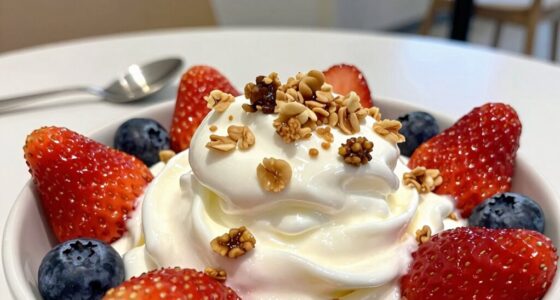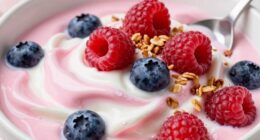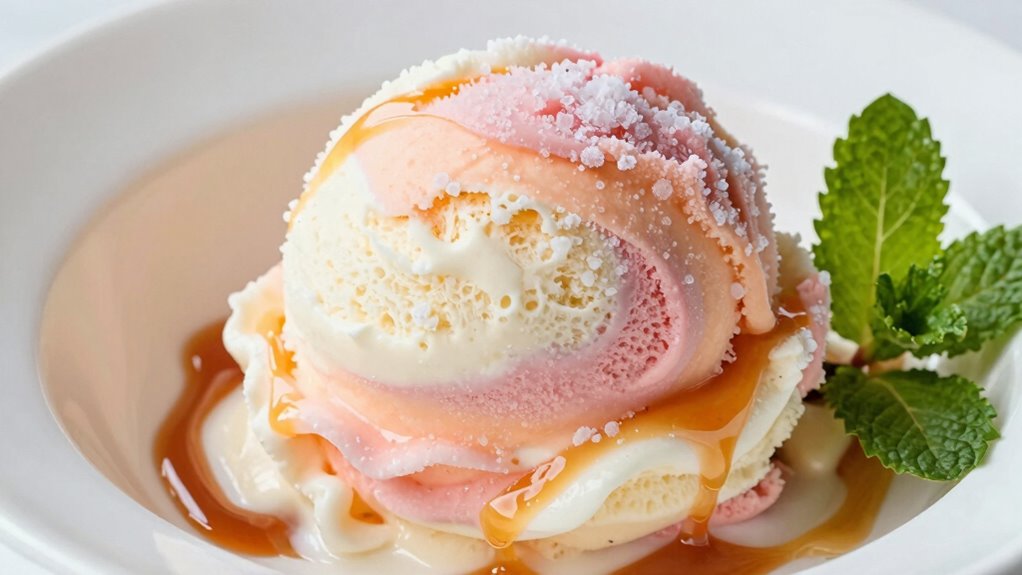

Sherbet isn’t just sorbet with milk; it’s a distinct frozen dessert that includes a small amount of dairy, usually 1-2%, which makes it creamier and smoother. This dairy helps develop a richer flavor and a softer texture, setting sherbet apart from dairy-free sorbet. The combination of fruit and dairy offers a wider flavor range and a unique mouthfeel. Keep exploring to discover why sherbet’s ingredients and texture truly make it stand out.

Get baking supplies delivered free — and shop member deals
- Fast, free delivery on millions of items
- Access to Prime Big Deal Days deals on October 6–7
- Prime Video, Amazon Music and more included
Key Takeaways
- Sherbet contains a small amount of milk or dairy, giving it a creamier texture compared to dairy-free sorbet.
- The dairy in sherbet enhances smoothness and flavor complexity, unlike sorbet’s purely fruit-based profile.
- Sherbet’s dairy content results in a lighter, more refreshing mouthfeel than the richer, denser ice cream.
- Its unique texture combines creaminess with icy freshness, making it distinctly different from sorbet’s entirely fruit-based composition.
- Sherbet offers a broader flavor range, including fruity, creamy, and tangy options, setting it apart from sorbet’s simpler fruit flavors.
As an affiliate, we earn on qualifying purchases.
What Is Sherbet, and How Is It Different From Sorbet?

Have you ever wondered what sets sherbet apart from sorbet? The key difference lies in dairy content. Sherbet contains a small amount of milk or cream, giving it a creamier texture, while sorbet is dairy-free, relying solely on fruit juice or puree. This dairy addition also influences the flavor profiles; sherbet tends to be richer and milder, balancing fruit sweetness with a subtle dairy note. The dairy content in sherbet usually ranges from 1% to 2%, enough to create creaminess without making it as rich as ice cream. Additionally, the texture differences between sherbet and sorbet impact their overall mouthfeel and appeal, with sherbet offering a smoother experience and sorbet providing a lighter, more invigorating feel. Understanding these distinctions helps you appreciate why sherbet can offer a smoother, more indulgent experience compared to sorbet’s crisp, fruit-forward nature.
Why Does Dairy Make Sherbet Creamier Than Sorbet?

Dairy plays an essential role in creating sherbet’s signature creamy texture because the proteins and fats in milk or cream coat your mouth, giving it a smooth, velvety feel. These dairy components also undergo dairy fermentation during production, which can develop subtle flavors that enhance the overall taste. The fats help suspend ice crystals, preventing the dessert from becoming icy or gritty, resulting in a richer mouthfeel. Additionally, dairy proteins interact with flavor molecules, amplifying and enriching the sherbet’s flavor profile. This combination of fats and proteins not only improves texture but also boosts flavor enhancement, making sherbet feel indulgent and creamy compared to sorbet, which lacks dairy’s natural emulsifiers and fats. The presence of dairy also influences the texture by creating a more cohesive and luxurious mouthfeel that distinguishes sherbet from sorbet. Moreover, the dairy content can influence the flavor profile by adding a subtle richness that enhances the overall sensory experience. A natural emulsifier found in dairy helps blend the ingredients more seamlessly, improving both consistency and mouthfeel. The dairy fats and proteins also contribute to the stability of the dessert, helping it maintain its smoothness over time.
What Are the Common Myths About Sherbet?

Many people mistake sherbet for sorbet, but they’re not the same. Sherbet contains dairy, while sorbet does not. Also, just because it has milk doesn’t mean sherbet is creamy like ice cream.
Sherbet Is Not Sorbet
A common misconception is that sherbet and sorbet are interchangeable, but they are actually quite different. Sherbet contains a small amount of dairy, usually milk or buttermilk, giving it a creamier texture without being as rich as ice cream. Sorbet, on the other hand, has no dairy at all, relying solely on fruit juice or puree, sugar, and water. Many people assume sherbet is just sorbet with milk added, but it’s more than that—its dairy content creates a unique mouthfeel. Additionally, sherbet offers a wider range of flavor variations, including fruity, creamy, and even tangy options. Understanding these differences helps you appreciate sherbet’s distinct qualities, beyond just confusing it with sorbet or assuming it’s simply sorbet with milk. Dairy content plays a key role in defining sherbet’s creamy consistency.
Milk Does Not Equal Cream
One common myth is that using milk in sherbet makes it the same as cream-based desserts. This dairy misconception overlooks key flavor distinctions. Milk’s lower fat content results in a lighter, more invigorating texture, unlike the rich cream used in ice cream. To clarify:
- Milk provides a milder, less creamy flavor, emphasizing fruit or fruit juice.
- Cream adds richness and smoothness, creating a different dessert profile.
- Sherbet typically uses milk to balance tartness without heavy dairy, unlike cream-based treats.
- The dairy content of sherbet influences both its taste and texture, setting it apart from other frozen desserts.
Understanding these differences helps you appreciate sherbet’s unique qualities. It’s not simply “sorbet with milk,” but a carefully crafted dessert with its own dairy nuances that influence taste and texture.
What Ingredients and Texture Make Sherbet Unique?

Sherbet stands out from other frozen treats because of its unique combination of ingredients and texture. It typically contains fruit juice or puree, a small amount of dairy, and sweeteners, creating a balanced flavor. The dairy content is less than ice cream, giving sherbet a lighter feel, but enough to add creaminess. Its texture varies from smooth to slightly icy, offering texture variation that keeps each spoonful interesting. To help visualize, consider this table:
| Ingredient Type | Role in Sherbet |
|---|---|
| Fruit juice/puree | Provides flavor and color |
| Dairy (milk or milk solids) | Adds creaminess, but in moderation |
| Sweeteners | Balance tartness and enhance flavor |
| Stabilizers | Improve texture and prevent ice crystals |
This blend of ingredients results in a refreshingly creamy yet icy treat with distinctive texture variation. Additionally, proper stabilization is essential to achieve the ideal consistency and prevent large ice crystals from forming, which enhances the overall quality of sherbet. Incorporating homemade techniques can also allow customization of texture and flavor, making sherbet a versatile dessert option. Furthermore, understanding ingredient ratios helps in mastering the perfect sherbet at home.
Are There Health Benefits to Choosing Sherbet Over Other Frozen Desserts?
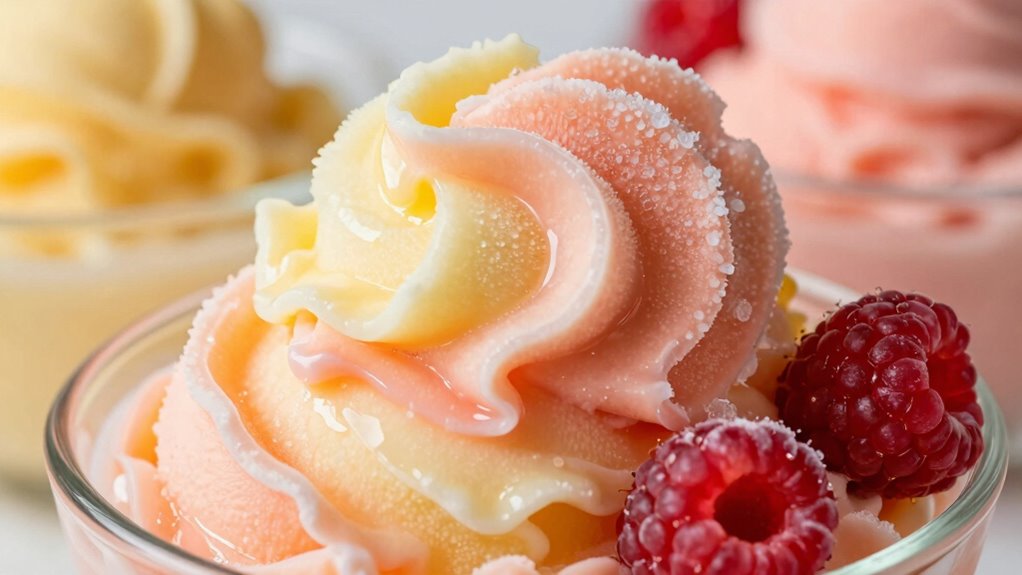
Compared to other frozen desserts like ice cream and gelato, sherbet often offers some health advantages due to its lower fat content and higher fruit content. If you’re exploring healthier options, consider these benefits:
Sherbet is a lighter, fruitier alternative with fewer calories and less fat than ice cream or gelato.
- Lower Fat Content: Sherbet typically contains less dairy or dairy alternatives, reducing saturated fat intake.
- More Fruit Nutrients: Its higher fruit content provides vitamins and antioxidants, supporting your immune system.
- Fewer Calories: Due to reduced fat and sugar levels, sherbet often has fewer calories than traditional ice cream or gelato.
When doing nutritional comparisons, sherbet stands out as a lighter choice, especially if you’re sensitive to dairy or prefer dairy alternatives. It’s a tasty way to enjoy dessert without the extra guilt.
How Can You Spot Authentic Sherbet When Shopping?
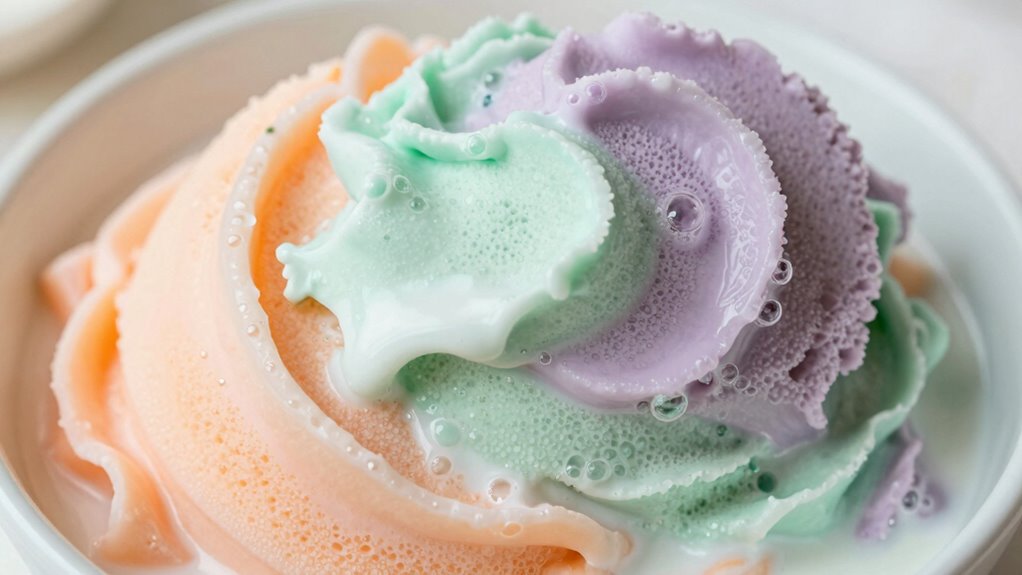
When shopping for sherbet, it’s important to recognize authentic products amid the variety on store shelves. Look at the label carefully—true sherbet typically contains dairy ingredients like milk or cream, though some brands may use dairy alternatives such as almond or coconut milk. Check the ingredients list to confirm. Authentic sherbet often features distinct flavor variations like fruit, citrus, or berry, which should be prominent and natural-tasting. Be cautious of products marketed as “sorbet” or “frozen dessert,” as these may lack the dairy content that defines true sherbet. Additionally, verify the product’s description for “sherbet” to ensure you’re getting the genuine item. Recognizing these clues helps you select authentic sherbet and enjoy its true texture and flavor.
What Are the Most Popular Sherbet Flavors and How Do You Enjoy Them?

Many people love classic fruit flavors like orange, lemon, and strawberry because they’re invigorating and familiar. But you might also enjoy unique and exotic varieties, such as passion fruit or lychee, for a more adventurous taste. To get the most out of your sherbet, try serving it in a chilled bowl or pairing it with desserts like fruit salads or cookies. Incorporating wild edible ingredients can also add a distinctive twist to your sherbet experience.
Classic Fruit Flavors
Classic fruit flavors dominate the world of sherbet, offering revitalizing and vibrant options that appeal to a wide range of tastes. These flavors include familiar favorites like tangy citrus burst, sweet strawberry, and rejuvenating fruit punch. To enjoy them fully, try these tips:
- Savor citrus burst on a hot day for an invigorating escape.
- Mix fruit punch sherbet with soda for a fun, fizzy treat.
- Use strawberry sherbet as a topping for pies or desserts for added flavor. These classic flavors provide a nostalgic yet lively experience, perfect for cooling down or satisfying your sweet tooth. Whether you prefer the tang of citrus or the sweetness of fruit punch, these options are versatile and timeless. Exploring different precious metal IRA options can also help diversify your investments and provide long-term security. For a more comprehensive experience, consider pairing sherbet with essential oils for a refreshing sensory twist. Incorporating nail styles names into your personal style can enhance your overall look and confidence. Additionally, trying out local camping locations can give you a unique way to enjoy the outdoors and relax amidst nature. Keep exploring to find your favorite way to enjoy these vibrant, fruit-inspired sherbet flavors.
Unique and Exotic Varieties
Have you ever tried sherbet flavors that transport you to distant lands or evoke exotic memories? These unique varieties often feature exotic flavor profiles inspired by ingredients like lychee, passion fruit, or mango. The sherbet origin traces back to ancient Persia and India, where fruit-based frozen treats gained popularity. Today, innovative flavors continue to emerge, blending traditional fruit notes with unexpected spices or herbs, creating a sensory adventure. You can enjoy these exotic sherbets straight from the cone or as a lively addition to desserts and cocktails. Their vibrant tastes and colorful appearances make them a favorite for those seeking something beyond classic fruit flavors. Exploring these varieties lets you experience a world of flavors in every spoonful. Additionally, understanding the history and cultural significance behind sherbet can deepen your appreciation for these delightful treats.
Best Serving Suggestions
Exotic sherbet flavors shine brightest when served in ways that highlight their vibrant tastes and colors. To enjoy them fully, consider these serving tips. First, serve sherbet slightly chilled, around 10-15°C, to enhance flavor pairing and maintain a creamy texture. Second, pair bold flavors like raspberry or mango with complementary items such as fresh fruit or a drizzle of honey. Third, serve in elegant bowls or cones to showcase their vibrant colors and make the experience more enjoyable. Using the right serving temperature ensures the sherbet’s flavor profile shines through, while thoughtful flavor pairing elevates your tasting experience. Additionally, understanding flavor enhancement techniques can help you bring out the best in each sherbet variety. Maintaining proper temperature control is essential to preserving the sherbet’s quality and flavor. Proper serving methods can also influence how the flavors are perceived and enjoyed. For example, temperature management plays a crucial role in ensuring the sherbet remains at its optimal state during serving. Paying attention to texture considerations can further enhance the overall sensory experience. By following these simple suggestions, you’ll savor sherbet’s unique qualities and make every dessert moment memorable.
Why Is Sherbet Sometimes Confused With Other Frozen Treats?

Ever wonder why sherbet often gets mistaken for other frozen treats like sorbet or ice cream? It’s mainly because of its similar appearance and texture, but the key difference lies in dairy content. Sherbet contains a small amount of dairy, giving it a creamier feel than sorbet, which is dairy-free. However, because some sherbets have minimal dairy, people sometimes confuse them with ice cream, which has a higher dairy content. Additionally, flavor variations add to the confusion—many sherbets are fruit-flavored like sorbet, but some incorporate dairy or creamy elements, blurring the lines. This overlap in ingredients and flavors makes it easy to mistake sherbet for other frozen treats, especially for those unfamiliar with the subtle distinctions. Understanding frozen dessert classifications can help clarify these differences. Recognizing dairy content is essential since it influences the texture and classification of these frozen treats.
How Can You Make Delicious Sherbet at Home?

Making delicious sherbet at home is easier than you might think. Start with a base of fruit juice or puree, then add dairy alternatives like coconut milk or almond milk to achieve that creamy texture. To make it extra flavorful, consider these steps:
- Select your favorite fruit and blend it smoothly.
- Mix in dairy alternatives for creaminess and a dairy-free option if needed.
- Experiment with flavor pairings like citrus and berries or tropical fruits for a unique twist.
Freeze the mixture, stirring every 30 minutes until it reaches your desired consistency. Using dairy alternatives not only broadens your options but also allows for allergy-friendly versions. With some simple ingredients and creative flavor pairings, you can craft delightful sherbet right at home.
Frequently Asked Questions
Can Sherbet Be Made Vegan or Dairy-Free?
Yes, you can make sherbet vegan or dairy-free by using plant-based alternatives and dairy-free options. Instead of milk, you might choose coconut milk, almond milk, or soy milk to keep it creamy. Many recipes also incorporate fruit juice or pureed fruit for flavor. By swapping traditional dairy ingredients with these plant-based options, you’ll enjoy delicious, dairy-free sherbet that’s suitable for vegans and those with lactose intolerance.
How Does the Aging Process Affect Sherbet’s Flavor?
Imagine a vibrant sunset fading into dusk—that’s how aging flavor transforms sherbet over time. You’ll notice storage impact gradually dulls its brightness, making the fruitiness less lively and the sweetness more muted. As it ages, the flavor deepens, developing a richer, more complex profile, but you risk losing the fresh, tangy notes that make sherbet special. Proper storage keeps that youthful zest alive longer, maintaining its delightful taste.
Are There Seasonal Variations in Sherbet Availability?
You’ll notice seasonal variations in sherbet availability, often tied to regional availability and seasonal flavors. During summer, you might find more fruity, invigorating options, while winter versions could feature richer or spiced flavors. Regional availability also influences what’s in stores, so certain flavors may be limited or exclusive depending on where you live. Keep an eye out for these seasonal shifts to enjoy the freshest and most diverse sherbet selections throughout the year.
What Is the History Behind Sherbet’s Development?
You might find it fascinating that sherbet’s origins trace back to ancient Persia, where historical recipes combined fruit and dairy in invigorating treats. Over centuries, these recipes evolved through Middle Eastern and European influences, blending fruit juices, sugar, and milk or cream. This rich history shows sherbet isn’t just a simple frozen dessert but a culturally significant confection that has transformed over time into the varied flavors we enjoy today.
How Does Sherbet Compare Nutritionally to Ice Cream?
Sherbet generally contains fewer calories and fat than ice cream due to its ingredient variations, like less cream and more fruit juice or puree. Nutritional differences include lower fat content and sometimes less sugar, making sherbet a lighter choice. While ice cream has more dairy, sherbet’s ingredients focus on fruit and a small amount of milk or milk solids, giving it a distinct, tangy flavor and a healthier profile.
Conclusion
Now that you know what sets sherbet apart, you’ll see it as more than just a milk-laden sorbet. It’s a symphony of fruit, dairy, and texture that dances on your palate. Next time you pick a frozen treat, remember it’s not just a clone—it’s a invigorating masterpiece with its own personality. So, enjoy sherbet’s creamy charm and savor each delightful scoop as if it’s a burst of summer in every bite.
Fall Picks
fall essentials
As an affiliate, we earn on qualifying purchases.