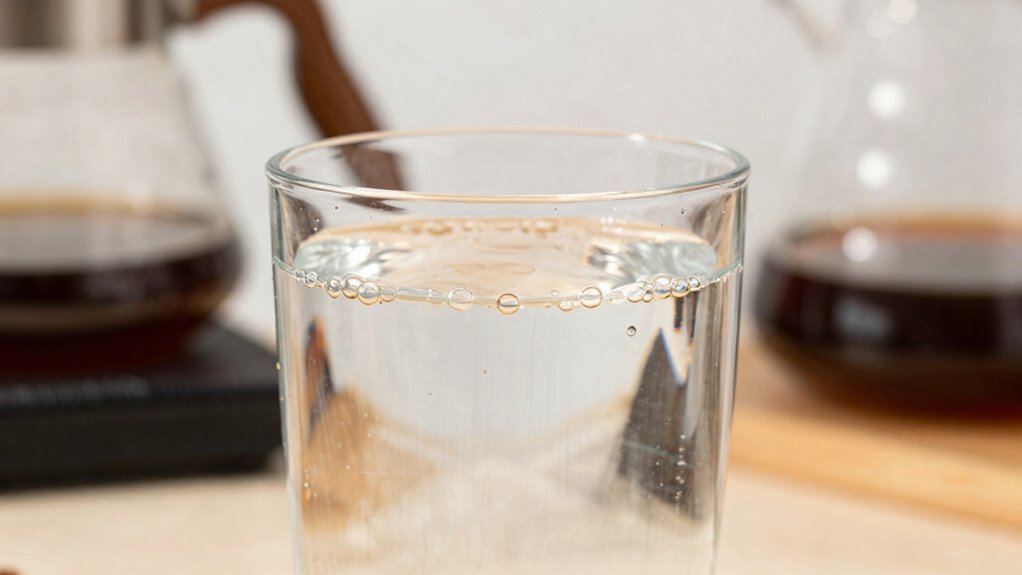

Using the right filtered water really does improve your coffee’s flavor—it’s not just hype. When your water has the proper mineral balance, it enhances extraction and highlights subtle flavors and aromas. Too hard or too soft water can dull or flatten your brew. Proper filtration and mineral adjustments help reveal the coffee’s full potential. Want to know how to optimize your water for better coffee? Keep exploring to find out more.
Get ready for Prime Big Deal Days — try Prime free
Exclusive member deals on October 6–7, plus fast free delivery. Cancel anytime.
As an affiliate, we earn on qualifying purchases.
Key Takeaways
- Properly filtered water removes impurities that can dull or overpower coffee flavors, enhancing overall taste.
- Adjusting mineral content after filtration restores essential elements for balanced extraction.
- High mineral levels can cause dull or chalky coffee, while soft water may result in flat brews.
- Filtration methods like reverse osmosis require mineral rebalancing to optimize flavor.
- Understanding your water chemistry helps tailor filtration for consistently better coffee flavor.
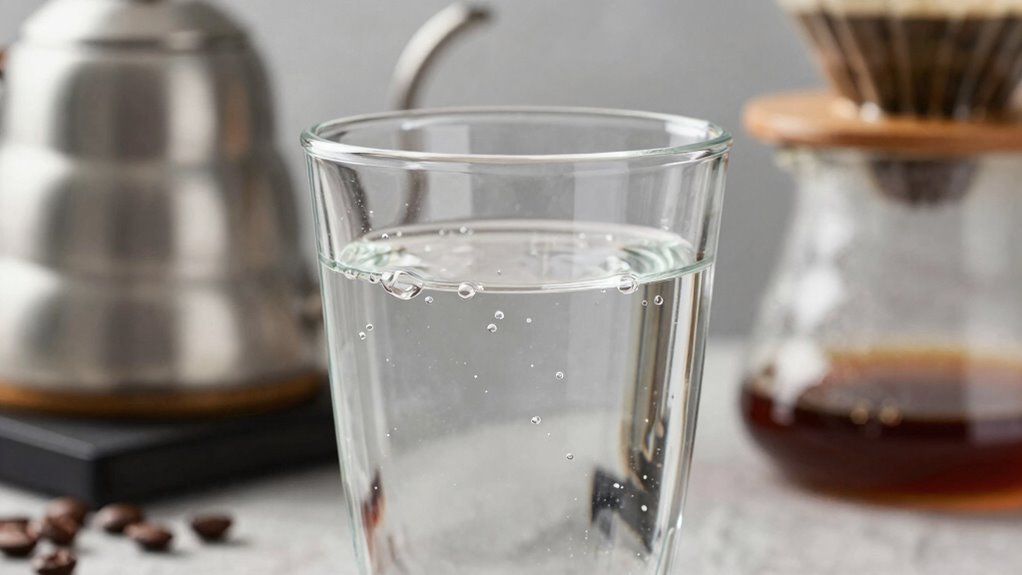
Have you ever wondered why your coffee doesn’t taste quite right? Sometimes, it’s not the beans or your brewing technique but the water you use. The water’s mineral content can dramatically influence the final flavor. Hard water, which contains high levels of calcium and magnesium, can make your coffee taste dull or chalky, while overly soft water might produce flat, lifeless brews. The key lies in understanding water mineral content and how it interacts with coffee. Ideally, you want water that strikes a balance, bringing out the coffee’s nuanced flavors without overpowering or muting them. That’s where filtration methods come into play, helping you tailor your water to optimize taste.
Balancing mineral content in water enhances coffee flavor and prevents dull or flat brews.
Different filtration methods can significantly affect the mineral content of your water. Activated carbon filters, for example, are excellent at removing chlorine, odors, and organic compounds that might interfere with flavor, but they don’t do much to alter minerals. Reverse osmosis systems, on the other hand, strip away most mineral content, producing very pure water. While this might sound ideal, it can also lead to flat-tasting coffee because minerals are essential for extracting flavors properly. To counteract this, some roasters and baristas add back specific minerals after filtration to recreate a balanced mineral profile. Other methods like water pitchers with mineral cartridges or specialty water filters allow you to fine-tune mineral levels without stripping everything away. This way, you can craft water that enhances your coffee rather than detracts from it. Understanding water mineral content can help you make more informed decisions about your filtration choices. Additionally, understanding water chemistry can help you better grasp how mineral levels influence extraction and flavor. Being aware of water quality and how it affects brewing can lead to a more consistent and flavorful cup every time. Furthermore, researching the composition of water in your area can assist in selecting the most suitable filtration method for your needs. Knowing how water mineral levels vary geographically can help you customize your approach to achieve optimal coffee flavor.
Choosing the right filtration method depends on your starting water quality and your taste preferences. If your tap water is heavily chlorinated or has strong odors, a comprehensive filtration system like reverse osmosis combined with mineral rebalancing might be best. If you simply want to remove common contaminants while maintaining some mineral content, a good activated carbon filter could suffice. Some coffee aficionados even invest in water testing kits to determine the exact mineral levels and adjust their filtration accordingly. The goal is to create water that’s clean yet rich enough in minerals to unlock your coffee’s full potential. When you pay attention to these details, every cup becomes more flavorful and consistent.
Ultimately, the taste difference isn’t just hype. It’s about understanding your water, selecting the right filtration methods, and adjusting mineral content to suit your palate. Small changes in water quality can lead to a noticeable improvement in your coffee, transforming a good brew into a great one. So next time you brew, consider not just the beans and grind but also the water—because it’s the foundation that makes all the difference.
As an affiliate, we earn on qualifying purchases.
Frequently Asked Questions
Does Filtered Water Affect Coffee Brewing Time?
Filtered water doesn’t substantially affect your coffee’s brewing time, but it can influence the process indirectly. Better water quality guarantees consistent water absorption and ideal brewing temperature, leading to a smoother extraction. If your water is too hard or impure, it might slow down brewing or cause uneven extraction. Using filtered water helps maintain proper brewing temperature and absorption, resulting in a more balanced, flavorful cup without extending your brewing time.
Can Filtered Water Remove All Mineral Flavors From Coffee?
Filtered water can’t remove all mineral flavors from coffee entirely, but it markedly improves mineral balance, enhancing flavor clarity. By reducing excess minerals like calcium and magnesium, filtered water prevents overpowering or off-putting tastes. This balance lets the coffee’s nuanced flavors shine through, making each sip cleaner and more vibrant. So, while a filter might not eliminate every mineral flavor, it helps you enjoy a more precise and refined coffee experience.
Is Filtered Water Suitable for All Brewing Methods?
Filtered water is suitable for most brewing methods, but you should consider water mineralization levels to optimize brewing water quality. For methods like espresso or pour-over, clean, well-filtered water enhances flavor without overpowering it. However, if the water is overly demineralized, it might lack essential minerals for proper extraction. Adjusting filtration to sustain a balanced mineral content ensures consistent taste, regardless of your brewing technique.
How Often Should I Change My Water Filter for Coffee?
Think of your water filter as a trusty gardener tending a delicate plant. You should change it every 2-3 months to keep water mineralization balanced and flavors pure. Regular filter maintenance prevents mineral buildup that could compromise your brew’s taste. By staying consistent with filter changes, you guarantee fresh, clean water that highlights your coffee’s best qualities—making every cup a delightful experience.
Does Filtered Water Improve Coffee’s Aroma or Just Taste?
Filtered water enhances your coffee’s aroma and flavor clarity, making each cup more vibrant and nuanced. By removing impurities and odors, it allows the true aroma to shine through, giving you a richer sensory experience. You’ll notice a cleaner, more balanced taste with better aroma enhancement. Using filtered water isn’t just about taste—it elevates the entire coffee experience, making every sip more enjoyable and aromatic.
Conclusion
Don’t let the idea of changing your water hold you back—it’s a small tweak that makes a big difference. Even if you’re used to your current routine, trying filtered water can elevate your coffee’s flavor and aroma considerably. You might think it’s not worth the fuss, but once you taste that richer, smoother cup, you’ll wonder why you didn’t do it sooner. Give it a shot—you’ll be glad you did.
Fall Picks
fall essentials
As an affiliate, we earn on qualifying purchases.