Your grinder’s burr size mainly influences grind consistency, extraction evenness, and efficiency. Larger burrs produce a uniform grind, handle more beans faster, and generate less heat, helping preserve flavor. However, size alone doesn’t guarantee great results; proper calibration and maintenance are key. Motor power also matters for larger burrs. To get the best coffee, you need to take into account all these factors together—keep exploring to discover what truly makes a difference.
Open a free Amazon Business account
Business pricing, bulk buying and tax-exempt orders.
As an affiliate, we earn on qualifying purchases.
Key Takeaways
- Larger burrs improve grind uniformity, leading to better flavor extraction and consistency in brewing.
- Burr size affects grinding speed and efficiency, especially for high-volume or frequent use.
- Proper calibration and motor power are essential; larger burrs alone don’t guarantee better results.
- Regular maintenance is crucial for maintaining grind quality, regardless of burr size.
- Burr size influences heat generation, impacting bean freshness and aromatic oil preservation.
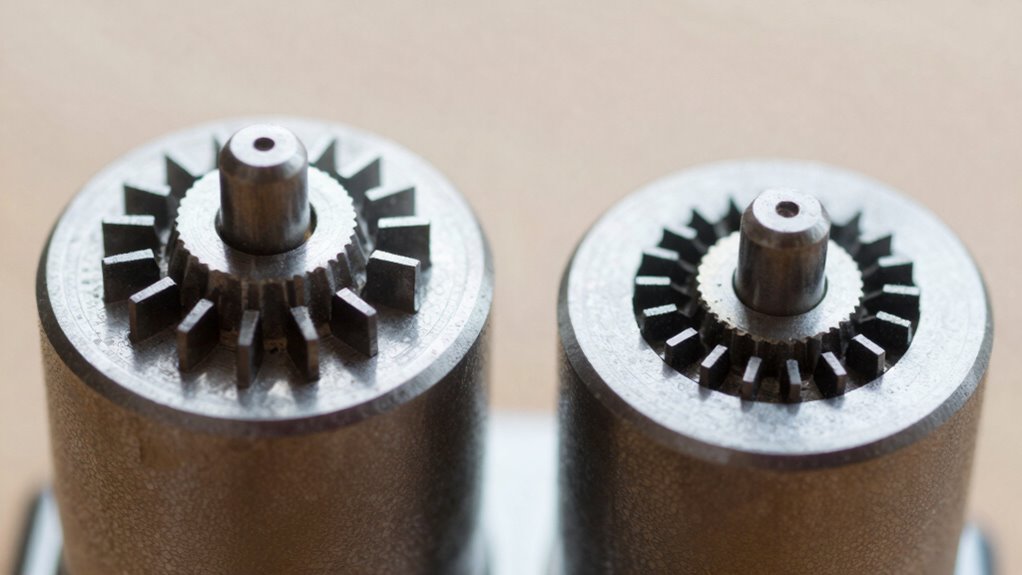
When choosing a coffee grinder, understanding burr size is essential because it directly impacts the consistency and quality of your grind. Larger burrs typically produce a more uniform grind, which means better coffee extraction. Consistent particle size allows hot water to evenly pass through the coffee grounds, extracting the full range of flavors without over-extraction or under-extraction. So, if you’re aiming for maximum flavor, burr size plays a crucial role.
Burr size also influences how quickly you can grind your coffee. Larger burrs generally handle larger quantities more efficiently, making them ideal for those who brew frequently or in larger volumes. Smaller burrs might require more time and effort, which can be frustrating if you’re in a hurry. Additionally, larger burrs tend to generate less heat during grinding, helping preserve delicate aromatic oils and flavors that can be lost with excessive heat. This is especially important for maintaining the freshness of your beans and ensuring a rich, flavorful cup. Proper burr maintenance is essential to keep your grinder operating at peak performance and to prevent uneven particle size distribution. Regularly checking and adjusting your burrs can help maintain optimal grinding consistency.
However, it’s important to note that burr size isn’t the only factor affecting coffee quality. Proper burr maintenance is equally important. Regular cleaning prevents coffee oils and residue from building up, which can clog the burrs and cause uneven grinding. When burrs aren’t well-maintained, even the best burr size can’t deliver consistent results. Clean burrs also reduce the chance of cross-contamination of flavors from previous grinds, ensuring each brew tastes fresh and true to the beans’ profile. Consistent grind quality is also vital for achieving the desired flavor profile.
While larger burrs provide many advantages, they don’t completely eliminate the need for precise calibration. If your grinder isn’t properly adjusted, you might still end up with uneven grounds, regardless of burr size. Additionally, a larger burr isn’t a guarantee of better coffee if the grinder’s motor isn’t powerful enough to handle the larger surfaces efficiently. It’s helpful to consider the motor power when selecting a burr size, as this can influence the overall performance. Choosing the right burr size also involves assessing your brewing habits, as different methods may benefit from different grind sizes and burr configurations. Ultimately, choosing the right burr size depends on your brewing habits, volume, and willingness to maintain your equipment. Remember, a well-maintained burr set will always outperform a neglected one, no matter their size.
Being aware of burr size and its effects can help you make an informed decision and optimize your coffee brewing process.
As an affiliate, we earn on qualifying purchases.
Frequently Asked Questions
How Does Burr Size Affect Brewing Speed?
Burr size directly impacts brewing speed because larger burrs grind faster, allowing you to produce consistent grounds quickly. With bigger burrs, your grind consistency improves, which can lead to a smoother brewing process. Additionally, larger burrs tend to have better burr durability, meaning they last longer and maintain efficiency over time. So, choosing a bigger burr size helps you brew faster while ensuring your grinder remains reliable and produces uniform grounds.
Can Burr Size Influence the Flavor Profile of Coffee?
Yes, burr size can influence your coffee’s flavor profile by affecting flavor extraction. Larger burrs often produce more consistent grinds, which helps extract flavors evenly, enhancing taste clarity. Additionally, the burr size should match your bean type and brewing method for ideal results. When you choose the right burr size for your beans, you’ll notice a richer, more balanced flavor, making your coffee experience truly exceptional.
Is Larger Burr Size Better for Espresso?
Yes, a larger burr size is generally better for espresso because it offers more consistent grinding and reduces heat build-up, preserving flavor. When choosing, consider burr material like ceramic or steel for durability. Also, think about grinder aesthetics—larger burrs often mean a more substantial, stylish machine. Ultimately, bigger burrs help you achieve a finer, more even grind essential for rich, balanced espresso shots.
Do Different Burr Sizes Require Different Maintenance?
Like tuning a musical instrument, different burr sizes demand varying maintenance. Larger burrs tend to require less frequent maintenance because they handle more beans before dulling, but you should still monitor burrs for wear. Smaller burrs might need more frequent maintenance and quicker burr replacement intervals. Regular cleaning and inspections guarantee your grinder performs well, regardless of burr size, keeping your coffee tasting exceptional and preventing unnecessary wear.
How Does Burr Size Impact Grinder Noise Level?
Burr size influences noise levels, with larger burrs typically producing more noise due to increased vibration. To achieve noise reduction, choose grinders with vibration control features, which can mitigate the noise caused by larger burrs. Keep in mind, however, that even with vibration control, bigger burrs may still generate more sound during operation. Proper maintenance and sound-dampening materials can help keep noise levels manageable.
Conclusion
So, when choosing a grinder, remember that burr size influences grind consistency and speed, but it’s not the whole story. Think of it like a recipe—bigger isn’t always better, and the right size depends on your brewing style. Don’t let the size overshadow other factors like burr material or grinder quality. Ultimately, selecting the right burr size is like finding the perfect pair of shoes—comfort and compatibility make all the difference on your coffee journey.
Evergreen bestsellers Picks
bestsellers
As an affiliate, we earn on qualifying purchases.