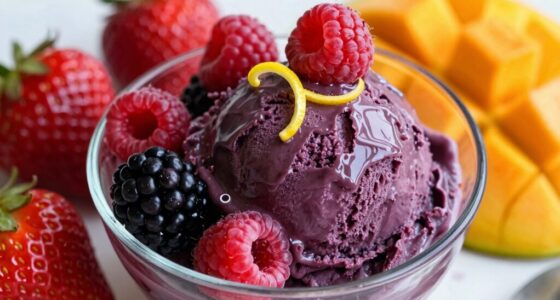
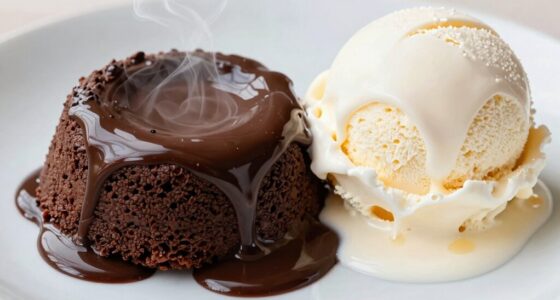
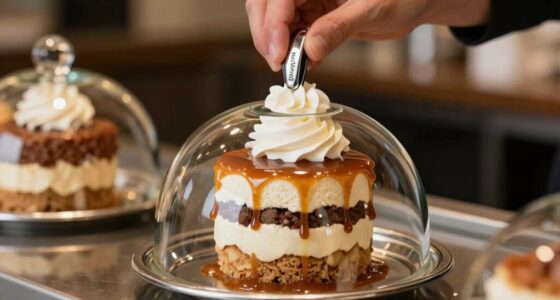
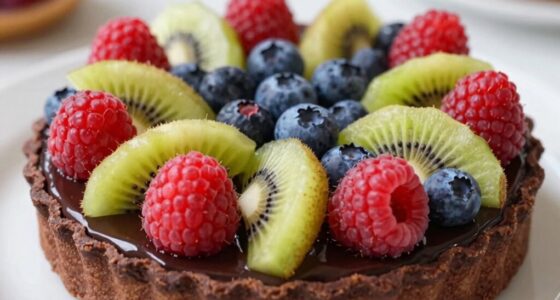
Texture progression in plated frozen desserts matters because it creates a dynamic sensory experience that keeps you engaged from start to finish. By carefully controlling textures—like shifting from firm to soft—you enhance visual appeal, mouthfeel, and overall satisfaction. Using techniques like stabilizers and ingredient selection, you can craft a cohesive story with each bite. Mastering these shifts elevates your dessert’s artistry and leaves a lasting impression. Keep exploring to discover how to perfect these techniques for unforgettable creations.

Get baking supplies delivered free with Prime
- Fast, free delivery on millions of items
- Prime Video, Amazon Music and more included
- Member-only deals all year
Key Takeaways
- Texture progression enhances sensory engagement by creating a dynamic, multi-layered eating experience.
- It maintains visual appeal and prevents icy or grainy textures during serving and consumption.
- Controlled transitions from firm to soft improve mouthfeel and overall dessert satisfaction.
- It demonstrates technical mastery, balancing structure and sensory richness for a refined presentation.
- Evolving textures keep diners intrigued, heightening anticipation and elevating the dessert’s artistic impact.
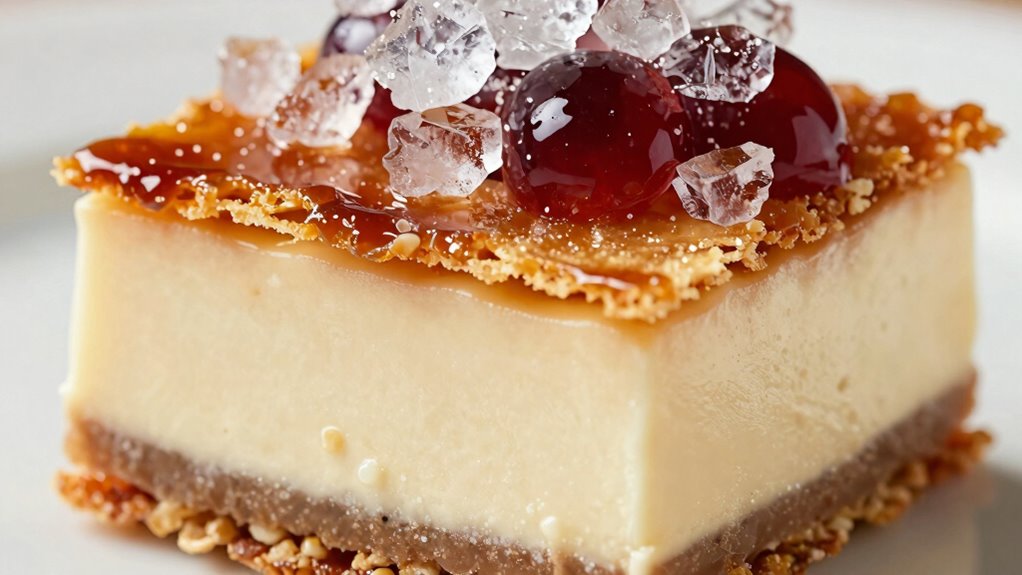
Understanding the progression of texture in frozen desserts is key to appreciating their complexity and appeal. When you experience a well-crafted plated frozen dessert, you notice how each element shifts smoothly from one texture to another, creating a layered sensory journey. This progression isn’t accidental; it’s carefully designed through techniques like cream stabilization and mouthfeel enhancement. Cream stabilization plays a pivotal role in maintaining the dessert’s structure as it moves from a firm, frozen state to a softer, more delicate consistency. It prevents ice crystal formation from becoming too large, ensuring that each bite remains smooth and creamy instead of icy and grainy. This stability not only preserves the visual appeal but also guarantees that each component retains its intended texture during service.
Cream stabilization ensures smooth, creamy textures and a visually appealing, layered sensory experience in plated frozen desserts.
As you enjoy the dessert, you’ll notice how the initial bite offers a firm, almost sculptural quality—perhaps a frozen mousse or a sorbet that holds its shape. This initial firmness sets the stage for what’s to come. With each subsequent mouthful, the texture begins to evolve, often becoming softer, creamier, or more velvety. This intentional shift heightens your sensory experience, making every spoonful feel like a new discovery. Mouthfeel enhancement is key here, as it makes the dessert feel luxurious and satisfying. Techniques like incorporating high-quality fats, emulsifiers, or specific stabilizers help create a cohesive, smooth mouthfeel that lingers pleasantly on your palate. Understanding texture control is essential for chefs aiming to craft desserts with a harmonious balance of textures.
The importance of texture development extends beyond just enjoyment; it also demonstrates technical mastery. When you see a plated frozen dessert with a seamless shift from a firm exterior to a melt-in-your-mouth interior, you’re witnessing the skillful use of stabilizers and ingredients designed for mouthfeel enhancement. These elements work together to balance the dessert’s structure with its sensory richness, preventing it from becoming overly icy or overly soft too quickly. It’s about controlling the rate at which textures change, so you experience a harmonious evolution rather than a jarring shift. Additionally, understanding the texture progression allows chefs to craft desserts that align with specific seasonal or thematic elements, elevating the overall dining experience. Recognizing the critical role of ingredient selection can further refine these effects and enhance the overall quality of the dessert. Moreover, proper ingredient integration ensures that all components work together harmoniously, creating a cohesive and memorable dessert.
Ultimately, why does texture development matter? Because it transforms a simple frozen treat into a multi-layered experience. It engages your senses, heightens anticipation, and keeps you intrigued from start to finish. When you understand the role of cream stabilization and mouthfeel enhancement, you’ll appreciate the artistry behind each plated frozen dessert. It’s not just about flavor; it’s about crafting an intricate, sensory narrative where each texture plays a fundamental part in delivering an unforgettable dessert experience.
Products Worth Considering

Instant Pot InstantChill Ice Cream Maker with Rolled Ice Cream Cold Plate, 2-Pint

Cuisinart 14-Cup Food Processor with 720-Watt Motor, Stainless Steel (DFP-14BCNY)

Ninja CREAMi 7-in-1 Ice Cream Maker, NC301
As an affiliate, we earn on qualifying purchases.
Frequently Asked Questions
How Does Texture Progression Impact Flavor Release?
Texture progression impacts flavor release by guiding your sensory shift and shaping your mouthfeel evolution. As you experience different textures, your taste receptors respond uniquely, amplifying or softening flavors. When a dessert transitions smoothly from icy to creamy, it heightens the flavor experience, making each bite more engaging. This deliberate sensory switch makes the flavor release more dynamic, ensuring you enjoy a complex, memorable tasting journey.
Can Texture Changes Affect Consumer Perception of Quality?
Yes, texture changes can considerably influence your perception of quality. When sensory expectations are met through consistent texture and smooth progression, you feel satisfied and confident in the dessert’s craftsmanship. If textures become inconsistent or unexpected, it might signal lower quality or poor preparation. Maintaining the right texture consistency throughout the dessert enhances the overall experience, making it seem more refined and ensuring you enjoy every bite with the intended sensory pleasure.
What Role Does Temperature Play in Texture Development?
Temperature plays a vital role in texture development by influencing ice crystal formation and melting point dynamics. When you control the temperature during storage and serving, you prevent large ice crystals from forming, ensuring a smooth, creamy texture. Maintaining the right temperature also helps manage melting rates, preserving the dessert’s structure. By understanding these dynamics, you can deliver a consistently enjoyable experience with ideal texture progression.
Are There Specific Ingredients That Influence Texture Progression?
Think of your dessert as a symphony, where each ingredient plays a crucial role in harmony. Ingredients like stabilizers, gums, and emulsifiers influence texture progression by managing ingredient interactions and maintaining ingredient stability. They help create smooth shifts from creamy to icy textures, ensuring a dynamic experience. Without these elements, your dessert risks losing its delicate balance, leading to a disjointed or overly uniform mouthfeel.
How Can Texture Progression Be Optimized for Different Dessert Types?
You can optimize texture progression by carefully selecting ingredients that interact to create a seamless sensory evolution, enhancing each dessert type. Adjust the ratios of fats, sugars, and stabilizers to control melting rates and mouthfeel. Incorporate contrasting textures, like crunchy elements or smooth layers, to guide the sensory journey. Monitoring ingredient interactions during preparation helps guarantee a balanced texture progression, elevating the overall dining experience for each dessert type.
Conclusion
Understanding texture progression in plated frozen desserts is like tuning a fine instrument; each note must flow seamlessly to create harmony. When you master this balance, your desserts become a symphony of sensations—crisp, creamy, and smooth—that delight every bite. Pay attention to how textures evolve, and you’ll craft desserts that not only taste incredible but also tell a story with every spoonful. Ultimately, it’s the journey of textures that transforms a good dessert into an unforgettable experience.