

If your KitchenAid Artisan Series 5 Quart Tilt Head Stand Mixer isn’t tilting back as it should, it can hinder your baking and cooking tasks. This common issue can stem from various causes, but most are fixable with simple steps. Understanding the potential reasons and how to address them will help you restore your mixer’s functionality quickly and safely.
In this guide, you’ll find detailed troubleshooting steps, safety tips, and preventive advice to ensure your mixer remains in top condition. Whether you’re a seasoned baker or a casual user, knowing how to handle tilt head issues can save you time and avoid costly repairs.
Key Takeaways
| Common Causes | Obstructions, misalignment, or mechanical faults can prevent tilting. |
| Safety First | Always unplug the mixer before attempting repairs or inspections. |
| Step-by-Step Fixes | Follow precise instructions for safe troubleshooting. |
| Regular Maintenance | Keep your mixer clean and check for wear to prevent issues. |
| When to Seek Help | If problems persist, professional repair might be necessary. |

KitchenAid Artisan, 5-Qt Tilt Head Stand Mixer, KSM150PS, Milkshake
- Durable Metal Construction: Built to last with 59 touchpoints
- 5 Quart Stainless Steel Bowl: Handles small or large batches, dishwasher safe
- Tilt-Head Design: Easy ingredient addition and bowl access
As an affiliate, we earn on qualifying purchases.
Identify the Cause of the Tilt Back Issue
Before attempting repairs, determine what is preventing your KitchenAid mixer from tilting back. Common reasons include debris or obstructions around the tilt mechanism, misalignment of the head, or mechanical failure of the tilt lock or springs. Inspect the area beneath the head for any visible debris or food particles that could be blocking movement. Ensure the mixer is unplugged and on a stable surface before inspection.
Check if the tilt lock lever moves freely and if the head resists or sticks when you try to tilt it. If you notice any visible damage or significant resistance, further troubleshooting is needed.
Step-by-Step Troubleshooting and Fixes
- Unplug the Mixer: Always unplug the appliance before inspecting or fixing to avoid electrical hazards.
- Clear Obstructions: Remove any debris, flour, or ingredients around the tilt mechanism and hinge points.
- Inspect the Tilt Lock Lever: Confirm it moves smoothly. If it’s stuck or stiff, gently clean and lubricate with a small amount of food-grade lubricant or silicone spray.
- Check the Spring Mechanism: Look for broken or dislodged springs inside the hinge. If a spring is damaged, replacing it may require professional service or contacting KitchenAid support.
- Align the Head: Gently lift and realign the tilt head if it appears misaligned. Ensure the hinge pins are properly seated and not bent.
- Test the Movement: Plug in the mixer, turn it on, and carefully tilt the head back and forth to verify smooth operation. Stop immediately if resistance or unusual noise occurs.
Safety Tips and Precautions
- Always unplug the mixer before starting any inspection or repair.
- Use minimal force when tilting or realigning parts to avoid damaging components.
- If you notice damaged springs, cracked hinges, or other parts that seem beyond simple repair, contact a professional or KitchenAid customer service.
- Regularly clean and inspect your mixer to prevent buildup that can interfere with movement.
Preventative Maintenance for Long-Term Reliability
Regular maintenance can help prevent tilt back issues. Keep the hinge and tilt lock area clean and free of debris. Periodically lubricate moving parts with a food-safe lubricant, and check for signs of wear or damage. Avoid forcing the head if it feels stuck; instead, perform gentle inspection and cleaning. Proper storage and handling will extend the lifespan of your mixer and keep it operating smoothly.
When to Seek Professional Repair
If your troubleshooting efforts do not resolve the tilt back problem, or if you encounter broken hardware, it’s best to consult a qualified appliance technician. Attempting to repair complex internal components without proper knowledge can cause further damage or void your warranty. Contact KitchenAid support or an authorized service center for expert assistance.
The Products in This Guide
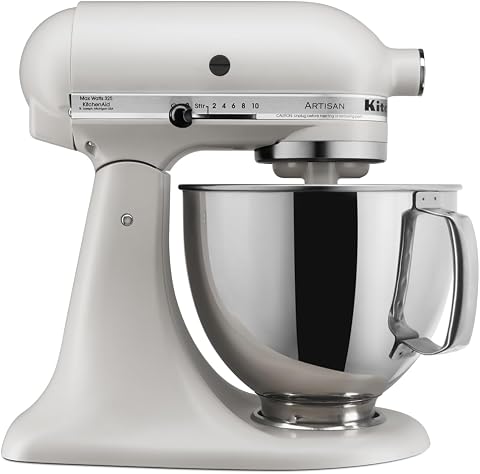
KitchenAid Artisan Series 5 Quart Tilt Head Stand Mixer
- ✔ Weight: 26 lbs
- ✔ Power: 325 watts
- ✔ Dimensions: 14 x 8 x 14 inches

KitchenAid Stand Mixer Attachment
- ✔ Attachment Type: Food Grinder
- ✔ Color: Silver
- ✔ Weight: 4.5 lbs
KitchenAid Artisan Series 5 Quart Tilt Head Stand Mixer
The KitchenAid Artisan Series 5 Quart Tilt Head Stand Mixer is built with durable metal construction and offers 59 touchpoints for thorough mixing. Its tilt-head design allows easy access to the bowl, making ingredient addition simple and efficient. The mixer has 10 speeds, a stainless steel bowl, and a variety of color options, making it both functional and stylish.
Pros:
- Durable metal construction
- Easy tilt-head access
- Multiple speed settings
- Large capacity bowl
Cons:
- Heavier than some models
- Requires occasional cleaning of hinge area
Best for: Home bakers and cooking enthusiasts needing a reliable, versatile stand mixer
Not ideal for: Users seeking a lightweight or compact mixer
Bottom line: A powerful, reliable stand mixer that combines performance with style.
KitchenAid Stand Mixer Attachment
The KitchenAid Stand Mixer Attachment Food Grinder allows you to process meats, vegetables, and more with ease. It connects seamlessly to your mixer’s power hub, expanding its functionality for fresh, homemade foods. Its durable metal construction and multiple grinding plates ensure consistent results.
Pros:
- Enhances your mixer’s versatility
- Easy to clean and store
- Includes multiple grinding plates
- Sturdy metal build
Cons:
- Requires separate purchase
- Additional attachments needed for specific tasks
Best for: Home cooks wanting to grind their own meats or prepare fresh ingredients
Not ideal for: Users looking for a dedicated standalone grinder
Bottom line: A durable and versatile attachment to expand your KitchenAid’s capabilities.
Frequently Asked Questions
Why won’t my KitchenAid tilt back?
Common reasons include obstructions around the hinge, misalignment of the head, or mechanical issues with the tilt lock or springs. Inspect the area and perform troubleshooting steps carefully.
Is it safe to force the tilt head if it’s stuck?
No, forcing it can cause damage. Always identify the cause, clear obstructions, and if necessary, seek professional help.
How often should I lubricate the tilt mechanism?
Lubricate the hinge and tilt lock area once every few months or if you notice stiffness. Use a food-safe lubricant and avoid over-lubricating.
Can I repair the springs myself?
Replacing springs can be tricky and may require disassembly and specialized tools. If you’re unsure, consult a professional or contact KitchenAid support.
What regular maintenance is recommended for my mixer?
Keep the hinge area clean, lubricate moving parts periodically, and check for any signs of wear or damage to prevent tilt back issues.
Getting Your Mixer Back in Tilt
Dealing with a KitchenAid tilt head that won’t tilt back can be frustrating, but with careful inspection and simple troubleshooting, most issues are fixable. Remember to keep safety your top priority—unplug the mixer before inspecting or repairing. Regular maintenance and cleaning can prevent future problems, ensuring your stand mixer remains a reliable kitchen companion for years to come.
Affiliate disclosure: As an Amazon Associate we earn from qualifying purchases. Prices and availability are accurate as of the time of publishing.