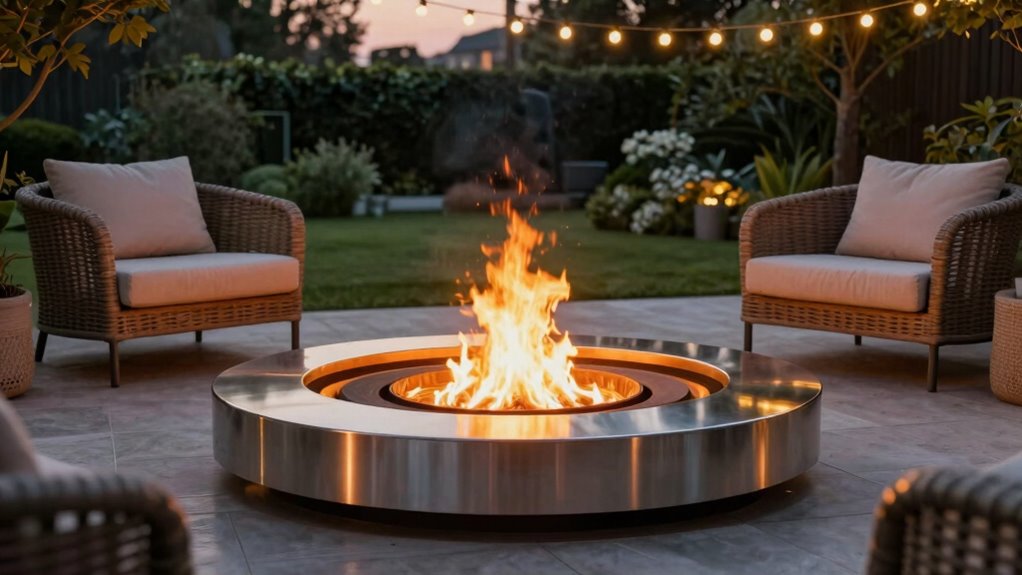

Many believe patio heaters create a universal “heat circle,” but that’s a myth. In reality, they produce focused, directional heat that spreads in a cone shape, not evenly in all directions. To stay warm, you need to position these heaters properly and understand how their heat disperses. Adjusting placement can maximize your comfort without wasting energy. Curious about how to optimize your outdoor setup? Keep exploring for expert tips and strategies.

Get baking supplies delivered free with Prime
- Fast, free delivery on millions of items
- Prime Video, Amazon Music and more included
- Member-only deals all year
Key Takeaways
- Patio heaters produce focused, cone-shaped heat, not uniform, all-around warmth like a “heat circle.”
- Proper positioning toward seating areas maximizes targeted warmth and outdoor comfort.
- Heat disperses unevenly, so sitting off-center can reduce perceived warmth.
- Understanding directional heat output helps optimize heater placement and efficiency.
- Effective maintenance and placement improve heat distribution and energy efficiency.
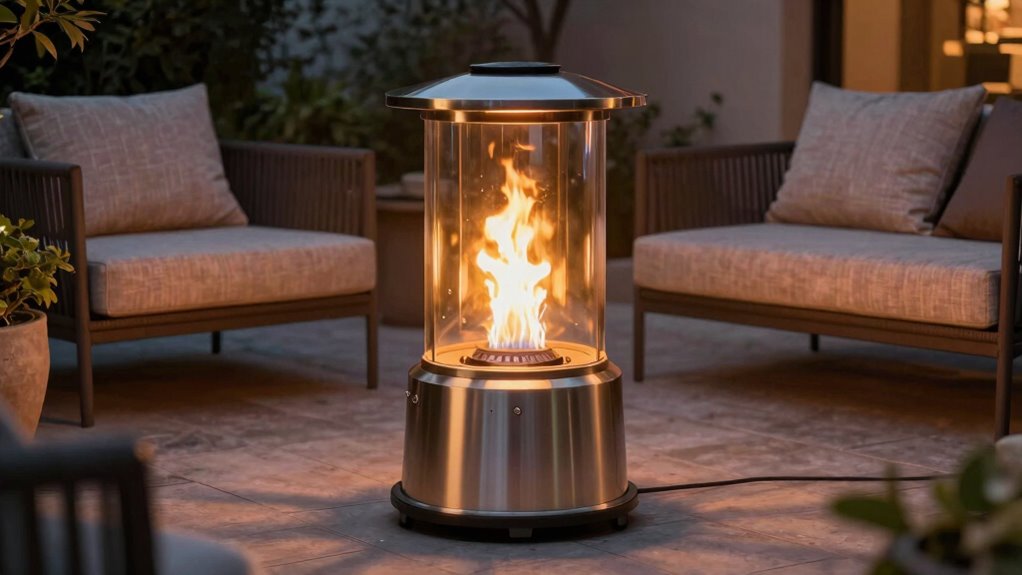
Are you looking for a way to extend your outdoor living season? Patio heaters are a popular choice, but understanding their effectiveness can be tricky. One common myth is the idea of a “heat circle,” where users believe that the warmth from a patio heater radiates evenly in all directions, creating a cozy, uniform temperature zone. In reality, this isn’t how most patio heaters operate. Instead, they produce a focused, directional heat that can substantially enhance your outdoor ambiance without wasting energy. Recognizing this can help you choose the right heater and position it effectively to maximize comfort and energy efficiency.
The concept of a heat circle can lead to misconceptions about how much warmth a patio heater provides. Many assume that standing directly under the heater will keep everyone nearby warm, but that’s not entirely accurate. The heat disperses in a cone-shaped pattern, meaning that those sitting slightly to the side might not feel as warm. This understanding is key to creating a comfortable outdoor space. When you position your heater correctly—ideally pointing it toward the seating area—you’ll better utilize its directional heat output. This targeted approach not only improves outdoor ambiance but also ensures you’re using energy efficiently, avoiding unnecessary power consumption by heating areas that aren’t occupied.
Energy efficiency is a major benefit of using patio heaters correctly. Rather than trying to heat an entire outdoor space equally, you can focus on specific seating zones. This way, you conserve energy and reduce costs while still enjoying a warm, inviting atmosphere. Modern patio heaters, especially infrared models, are designed to heat objects and people directly rather than the air around them. This means they’re more effective at providing warmth in cold outdoor conditions, especially when used thoughtfully. You don’t have to leave your heater running at full blast all evening; instead, adjust the settings and placement to match your outdoor activity, ensuring a cozy environment without waste. Additionally, understanding the directional heat output of these heaters can help optimize their placement and improve overall efficiency. Proper heater placement is crucial to achieving the best warmth distribution and maximizing energy savings. Furthermore, selecting the right heater type can significantly influence how well the heat is distributed and how much energy is used. Employing proper maintenance also ensures your heater functions efficiently and lasts longer, saving you money in the long run.
As an affiliate, we earn on qualifying purchases.
Frequently Asked Questions
Do Patio Heaters Work Effectively in Windy Conditions?
Yes, patio heaters can work effectively in windy conditions if they have good wind resistance features. Wind can reduce heater efficiency by dispersing heat, but models with protective shields or taller designs help combat this issue. To guarantee maximum warmth, position the heater in a sheltered spot and choose one specifically designed for outdoor use in windy environments. Proper placement makes a noticeable difference in maintaining consistent heat.
Are Patio Heaters Safe for Indoor Use?
Did you know that improper indoor use of patio heaters can cause carbon monoxide buildup, making them unsafe? You shouldn’t use outdoor patio heaters indoors, as they pose serious health risks. For indoor safety, guarantee proper ventilation requirements are met, and only use heaters designed for indoor use. Always follow manufacturer instructions and never leave them unattended, safeguarding your space and loved ones.
How Long Do Patio Heaters Typically Last?
Patio heaters typically last about 5 to 10 years, depending on heater durability and usage. The lifespan factors include how often you use the heater, how well you maintain it, and the quality of materials. Proper maintenance, like cleaning and storing it indoors during harsh weather, can extend its life. Regularly checking for rust or wear helps guarantee your heater stays safe and effective for years to come.
Can Patio Heaters Be Used on Wooden Decks?
Using patio heaters on wooden decks is like walking a tightrope—exciting but risky. You can, but you need to prioritize wooden safety. Choose models with low-heat output and keep them at a safe distance to prevent heat damage. Always use a heat-resistant mat underneath. If you’re cautious, you can enjoy the warmth without risking burns or fire, but never underestimate the importance of proper precautions.
What Is the Average Cost of Maintenance for Patio Heaters?
You’ll typically spend around $50 to $150 annually on maintenance costs for patio heaters. Factors like fuel efficiency, the type of heater, and how often you use it influence this amount. Regular cleaning, checking for leaks, and replacing parts can help keep maintenance manageable. Proper upkeep guarantees your heater runs efficiently, saving you money in the long run and extending its lifespan.
Conclusion
So, don’t buy into the heat circle myth; it’s just a shiny object that distracts from the real facts. Patio heaters are designed to warm your space effectively, but they don’t create some magical “circle of heat” that covers everything evenly. Instead, focus on proper placement and safety to make the most of your heater. Remember, it’s better to be safe than sorry, so use your patio heater wisely and enjoy those chilly evenings with confidence.
Halloween Picks
halloween
As an affiliate, we earn on qualifying purchases.