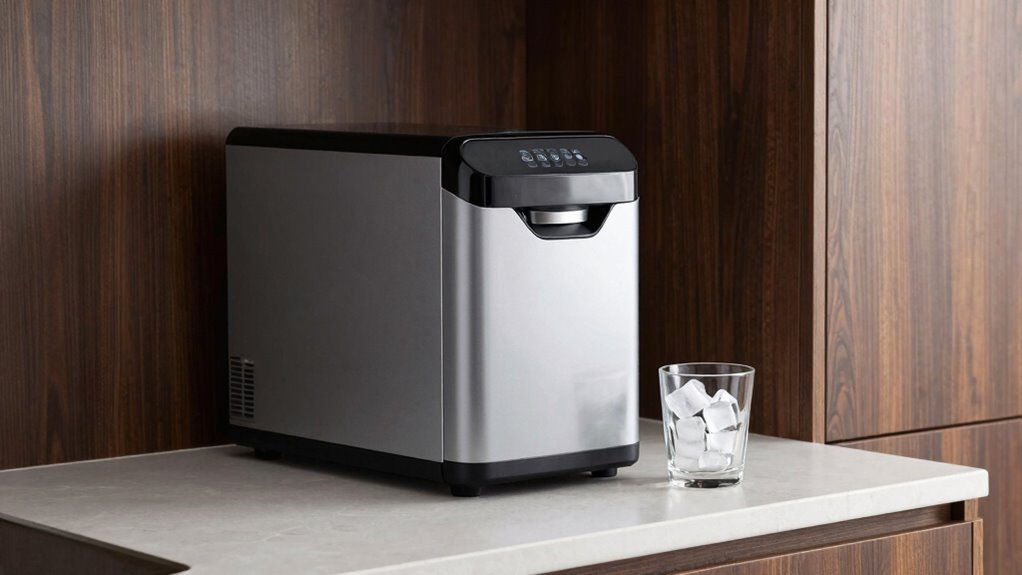

If space is tight, a countertop ice maker is great because it’s compact and easy to move, while undercounter models require a dedicated spot but offer a seamless look. Countertop units tend to be quieter and produce less ice, making them perfect for small-scale use. Undercounter models have higher capacity and often include filtration, suitable for high-demand settings. Want to find out which fits your needs best? Keep exploring for more details.
Key Takeaways
- Countertop ice makers save space and are portable, while undercounter models require dedicated installation but offer larger capacity.
- Countertop units are quieter and produce less ice per cycle; undercounter models may generate more noise due to larger compressors.
- Undercounter ice makers typically have higher ice yields, suited for high-demand environments like bars and restaurants.
- Built-in filtration in undercounter models improves ice quality and taste, especially in hard water areas.
- Countertop units are more energy-efficient and easier to maintain, whereas larger undercounter models consume more power but offer advanced features.
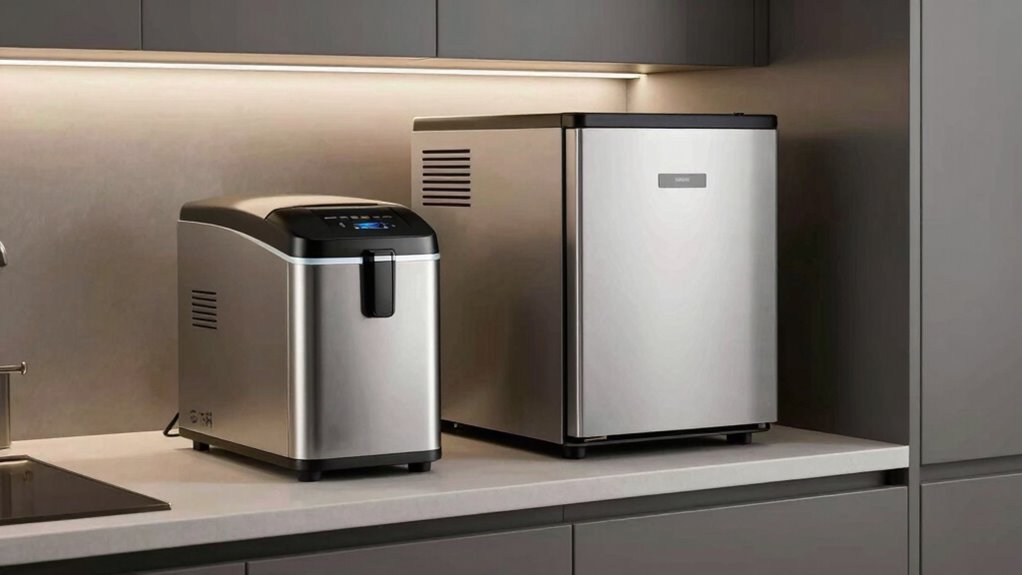
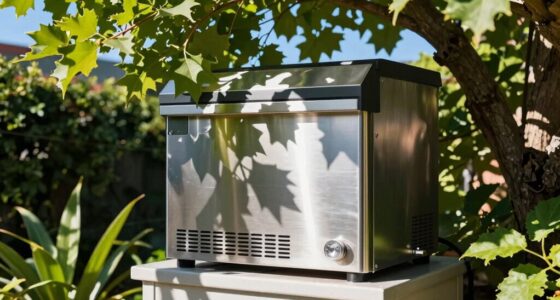
When choosing an ice maker for your home or business, understanding the differences between countertop and undercounter models is essential. Space is often a primary concern. Countertop ice makers are compact, making them ideal if you have limited room. They sit conveniently on your counter and can be moved easily if needed. These units are perfect for small gatherings or personal use, providing a steady supply of ice without taking up much space. On the other hand, undercounter models are larger and designed to fit beneath your kitchen or bar counter. They require a dedicated spot but offer a more seamless look, freeing up valuable surface area. If you anticipate high ice demand or want a more integrated setup, an undercounter unit might be the better choice. Additionally, undercounter models often include built-in filtration systems, which can improve ice quality and taste. These filtration features are especially beneficial in areas with hard water, where mineral content can affect ice clarity and taste. The presence of filtration can also extend the lifespan of the machine by reducing mineral buildup. Moreover, some models are equipped with self-cleaning features that can help maintain optimal performance and hygiene over time. Proper maintenance can also prevent potential issues caused by mineral deposits and bacteria buildup.
Countertop ice makers are compact and ideal for small spaces or personal use, while undercounter models offer larger capacity and a seamless look.
Noise levels also vary considerably between these two types. Countertop ice makers tend to produce a noticeable hum or vibration while operating, which can be disruptive in quiet environments. However, newer models are increasingly designed with noise reduction features. Undercounter ice makers, especially those built for commercial use, can be louder due to their larger compressors. If noise is a concern, especially in a home setting, you’ll want to look for models with sound-dampening technology. Keep in mind that the placement of an undercounter unit can help minimize noise impact, especially if installed in a utility room or basement.
When it comes to yield, that is, the amount of ice produced over a certain period, undercounter models generally outperform countertop units. They have larger ice-making capacities, making them suitable for busy environments like bars or restaurants. Countertop models produce less ice per cycle but are sufficient for personal or small-scale use. Your choice will depend on your typical demand. If you regularly entertain guests or run a commercial space, you’ll likely need an undercounter model with higher yield. Energy efficiency is another consideration, as larger models often consume more power, but some newer designs focus on reducing energy use without sacrificing performance.
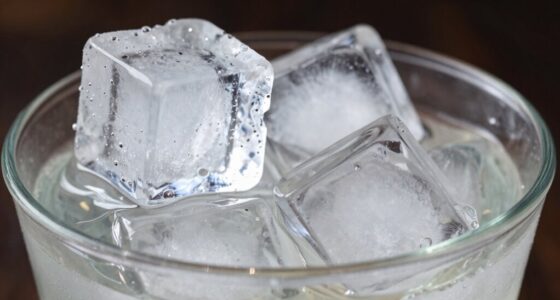
Ice quality is another critical factor. Both types can produce high-quality ice, but the consistency and clarity of the ice depend on the machine’s filtration system and design. Higher-quality units often include features that improve ice clarity and taste, which is especially important if the ice is for beverages or food presentation. Selecting a model with advanced filtration can further enhance ice quality and ensure safety. Energy efficiency is also worth considering, as some models consume less power than others. Countertop units tend to be more energy-efficient because of their smaller size and lower capacity, but some advanced undercounter models incorporate energy-saving features as well. In addition, selecting a model with efficient compressor technology can help reduce overall energy consumption.
Ultimately, your decision hinges on your space, noise tolerance, demand, and desire for ice quality and efficiency. Considering your specific needs and how frequently you’ll use the machine can help you make the most suitable choice.
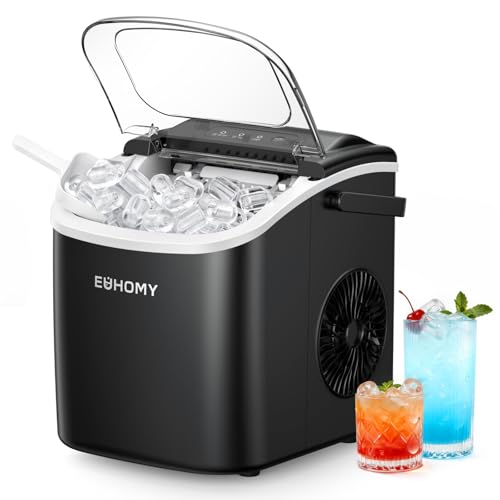
EUHOMY Countertop Ice Maker Machine with Handle, 26lbs in 24Hrs, 9 Ice Cubes Ready in 6 Mins, Auto-Cleaning Portable Ice Maker with Basket and Scoop, for Home/Kitchen/Camping/RV. (Black)
- Fast Ice Production: Ice ready in 6 minutes
- Quiet Operation: Less than 45db noise level
- High Capacity: Produces 26lbs ice daily
As an affiliate, we earn on qualifying purchases.
As an affiliate, we earn on qualifying purchases.
Frequently Asked Questions
Which Type of Ice Maker Is More Energy-Efficient?
Undercounter ice makers are generally more energy-efficient than countertop models because they often have larger capacities and advanced features that optimize energy consumption. You should consider sustainability considerations, like Energy Star ratings, when choosing. By selecting an undercounter unit, you reduce energy waste, save on electricity bills, and support eco-friendly practices. Overall, undercounter ice makers tend to be better for ongoing energy efficiency and environmental impact.
How Easy Is Maintenance and Cleaning for Each?
You might think undercounter models are harder to clean, but surprisingly, both types offer straightforward maintenance. Countertop ice makers usually have removable parts for easy cleaning, while undercounter units often feature accessible panels for quick maintenance. Regularly descaling and wiping down surfaces ensure peak performance. Overall, cleaning ease and maintenance simplicity are comparable, making either choice manageable if you follow the manufacturer’s guidelines.
Can These Ice Makers Produce Different Ice Shapes?
Yes, both countertop and undercounter ice makers can produce different ice shape options. You’ll find models offering various shapes like nugget, cube, and flake, giving you customization possibilities for different needs. If you want specific ice shapes for drinks or presentation, check the product details beforehand. This way, you can choose a machine that aligns with your desired ice shape options and enhances your experience.
Are There Significant Differences in Initial Installation Costs?
Think of installation costs like planting a garden—you’ll find some seeds need more effort and resources. Undercounter ice makers often have higher initial costs due to complex installation requirements, including plumbing and electrical work. Countertop units are simpler and cheaper to set up. The cost comparison shows that while undercounter models might require a bigger investment upfront, they save space and look sleek, making them worthwhile in the long run.
Which Model Offers Faster Ice Production Times?
You’ll find that countertop ice makers generally offer faster ice production speeds compared to undercounter models. When comparing models, look for those with higher production capacity per cycle, as they can produce ice more quickly. Model comparisons often show that portable, countertop units are ideal for immediate needs, while undercounter models prioritize capacity and efficiency. So, if speed is your priority, choose a countertop unit with high ice production rates.
Conclusion
Choosing between a countertop and undercounter ice maker is like picking the right tool for a job; each has its strengths. I remember hosting a backyard party where my undercounter model kept the drinks perfectly chilled without cluttering the space, proving its quiet efficiency. Ultimately, consider your space, noise preferences, and ice needs. Whether you prioritize convenience or capacity, selecting the right ice maker guarantees your gatherings stay cool and stress-free.