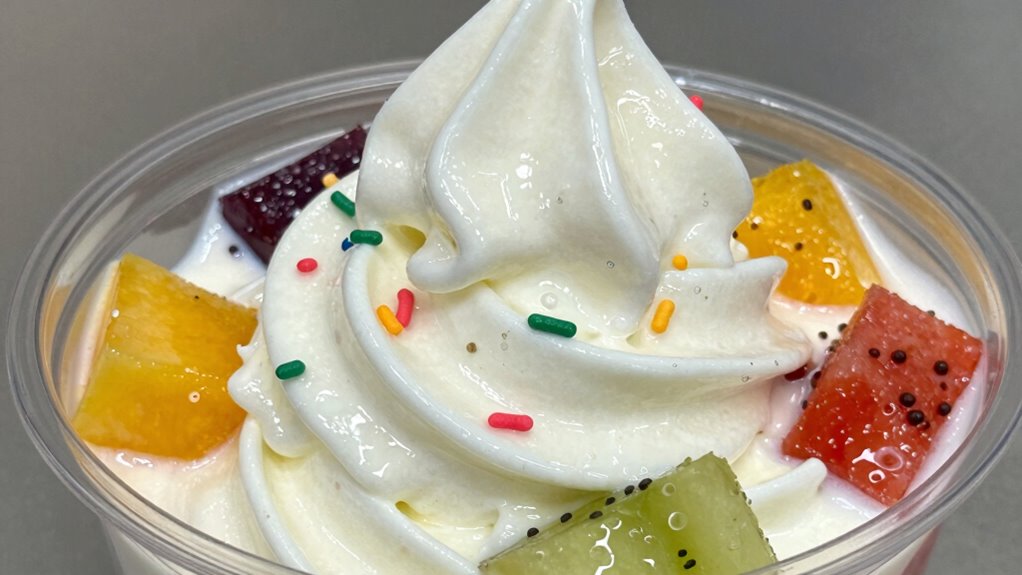

Many frozen yogurts on the market today resemble desserts more than traditional yogurt because they contain artificial ingredients, flavorings, and added sugars. These products often lack the live cultures and natural dairy components found in genuine yogurt, turning them into sweet, flavored treats. Artificial stabilizers and preservatives are used to improve texture and shelf life, but they reduce the probiotic benefits and nutritional value. If you want to understand how to spot authentic options, there’s more you should know.
Key Takeaways
- Many frozen yogurts contain artificial ingredients and flavorings, reducing their similarity to traditional, probiotic-rich yogurt.
- Artificial additives like preservatives and stabilizers are used to improve texture and shelf life, compromising natural qualities.
- Synthetic flavoring agents often replace real fruit or natural flavors, making products more dessert-like than authentic yogurt.
- Some frozen yogurts lack live cultures and probiotics, which are essential for true yogurt’s health benefits.
- Clear labeling and ingredient transparency are necessary to distinguish genuine yogurt from artificially enhanced frozen desserts.
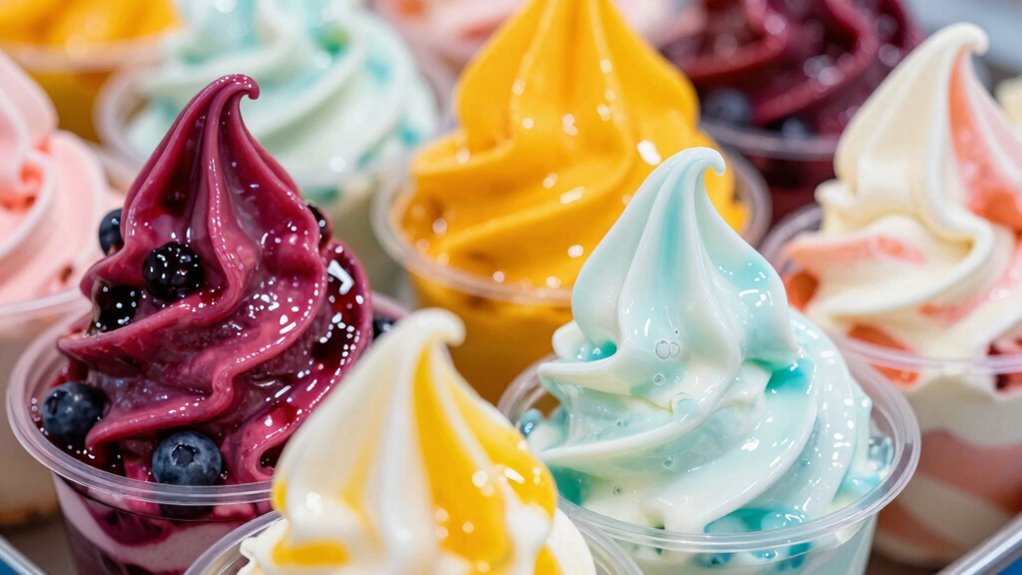
Many frozen yogurts on the market today aren’t true yogurts at all. Instead, they often resemble dessert products more than the traditional, probiotic-rich treat you might expect. This shift happens because manufacturers add artificial ingredients and flavoring agents to enhance taste, texture, and shelf life. As a result, what’s labeled as frozen yogurt may contain little of the live cultures and natural dairy components that define authentic yogurt. Instead, it becomes a product engineered more for sweetness and visual appeal than for health benefits.
Many frozen yogurts are more dessert than probiotic-rich dairy, filled with artificial ingredients and little real yogurt.
You might assume that all frozen yogurt is a healthy choice, but that’s not always the case. Many brands include artificial additives—such as preservatives, stabilizers, and sweeteners—that can diminish its nutritional value. These additives often serve to improve consistency, prevent ice crystal formation, or make the product more appealing visually. However, they also strip away the natural qualities of traditional yogurt, which is valued for its live bacteria that support digestion and boost immunity. When artificial additives take center stage, the probiotic benefits diminish or disappear entirely.
Flavoring agents are another common ingredient in non-traditional frozen yogurts. Instead of relying on real fruit or natural flavors, many products use synthetic flavoring agents to create a specific taste profile. These agents can be quite potent, and they’re often used to mask inferior ingredients or fill out cheaper formulations. While they might make the product taste good initially, they don’t offer the same health benefits as natural ingredients, and they can sometimes cause sensitivities or allergic reactions in some people. Additionally, artificial flavoring can sometimes contain hidden chemicals that are best avoided for health-conscious consumers.
You need to be vigilant about reading labels when choosing frozen yogurt. Just because a product looks like yogurt and is marketed as such doesn’t mean it’s a healthy or authentic option. Many of these products are more akin to frozen desserts, loaded with added sugars, artificial flavors, and other chemical additives. If you want the real deal, look for labels that list simple ingredients like milk, live cultures, and natural fruit. This way, you ensure you’re actually getting the probiotic benefits and natural qualities that make traditional yogurt a nutritious choice.
In the end, the difference lies in what’s inside the container. Many frozen yogurts on the market today are far removed from the genuine, probiotic-rich dairy product you might think you’re buying. Artificial additives and flavoring agents have turned some of these products into sweet, artificially flavored treats, rather than healthful probiotic foods. To truly enjoy the benefits of yogurt, you need to be discerning and choose options that prioritize natural ingredients over synthetic ones. Supporting brands that prioritize natural ingredients can help promote better health and sustainability. Being aware of labeling practices can also help consumers make more informed choices about what they are really eating.
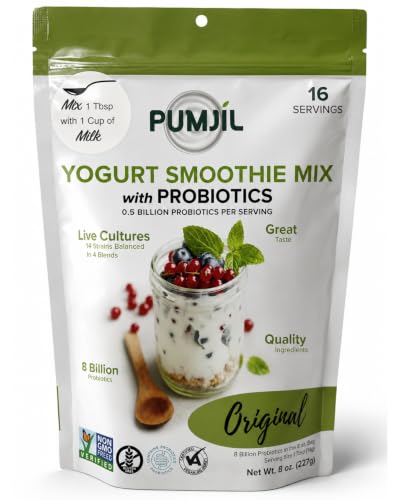
Original Yogurt Smoothie Soft Serve Ice Cream Mix 8oz (16 Servings) With 8 Billion Cult Probiotic Yogurt Live Cultures
- Probiotic Yogurt Powder: Supports digestive health
- Smoothie & Yogurt Mix: Versatile for drinks and desserts
- Live Cultures: Contains 8 billion probiotic cultures
As an affiliate, we earn on qualifying purchases.
As an affiliate, we earn on qualifying purchases.
Frequently Asked Questions
Are All Frozen Yogurts Considered Unhealthy?
Not all frozen yogurts are unhealthy. Some contain flavor enhancements and texture modifications that boost taste and mouthfeel, but they still provide probiotics and calcium. However, be cautious with added sugars and artificial ingredients, which can make certain brands less nutritious. Read labels carefully to find options that prioritize natural ingredients and minimal additives. Your best choice balances flavor and health, so enjoy frozen yogurt in moderation.
How Can I Identify Real Yogurt in Frozen Treats?
Think of finding real yogurt in frozen treats like spotting a familiar face in a crowd. Check the ingredient list for ingredient transparency—look for live cultures like Lactobacillus. Be wary of flavor additives, which can mask the true essence. If the label clearly states “yogurt” and lists minimal, recognizable ingredients, you’re likely holding genuine yogurt. Trust your senses and read labels carefully—your taste buds deserve authenticity.
Do Artificial Sweeteners Impact Frozen Yogurt Quality?
Artificial sweeteners can impact frozen yogurt quality by altering its flavor and texture. They often provide flavor enhancement without adding calories, but some people notice a slightly bitter or artificial taste. Additionally, artificial sweeteners may affect the creaminess or mouthfeel, making it less authentic. If you’re sensitive to these additives, choose frozen yogurts with natural sweeteners for a more genuine flavor experience.
Are Frozen Yogurt Additives Regulated by Food Authorities?
Regulatory standards govern frozen yogurt additives to guarantee safety and quality, so food authorities do oversee these substances. You can trust that additives used in frozen yogurt must meet safety guidelines before reaching stores. These regulations help prevent the use of harmful ingredients, and manufacturers are required to comply. Always check labels for ingredient transparency, giving you peace of mind about the safety of what you’re eating.
Can Frozen Yogurt Be Dairy-Free?
Yes, you can find dairy-free frozen yogurt options. Many brands now offer dairy-free alternatives using plant-based ingredients, such as coconut-based options, almond milk, or cashew milk. These alternatives provide a similar texture and flavor without dairy, making them ideal for those with lactose intolerance or dairy allergies. So, if you’re looking for a dairy-free frozen treat, explore coconut-based options and other plant-based frozen yogurts to satisfy your cravings.
Conclusion
So, next time you dip into that icy swirl, remember—what’s in your cup might not be the creamy, probiotic-rich treat you think. Instead, it could be a frozen shadow of real yogurt, packed with artificial flavors and added sugars. Picture a vibrant, tangy yogurt transforming into a frosty, bland substitute—kind of like a sunset fading into a gray winter sky. Trust what’s on the label, and savor the genuine, wholesome scoop of authentic frozen yogurt.