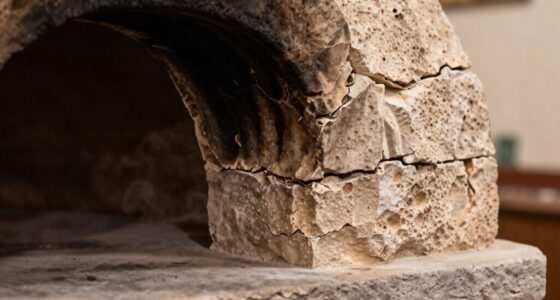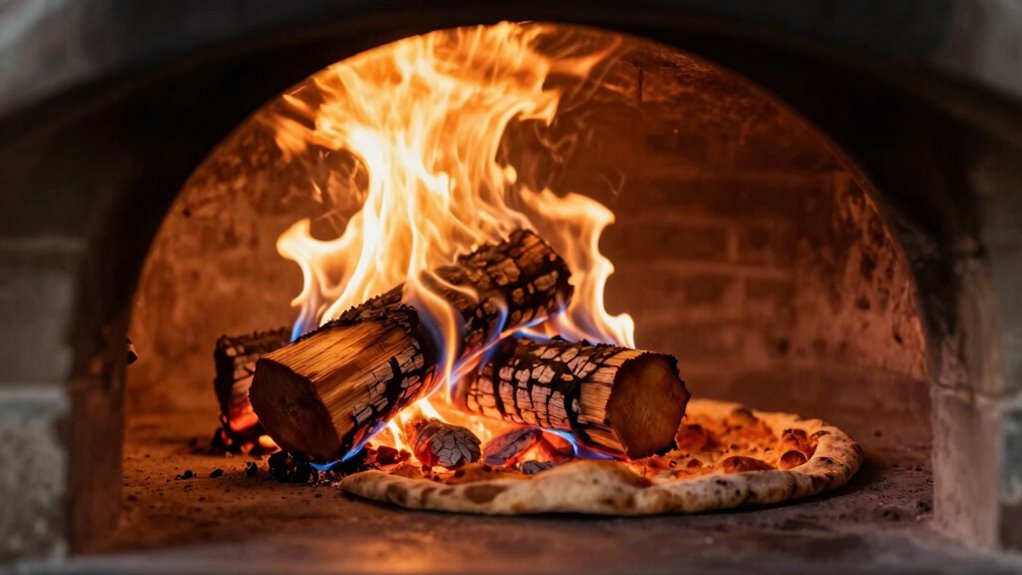

Choosing between gas, wood, or multi-fuel for your pizza oven depends on your priorities. Gas offers quick heat, consistent temperatures, and easier cleanup, making it great for convenience. Wood provides authentic smoky flavors and high temperatures, perfect for traditional pizza craft. Multi-fuel options give you flexibility, combining benefits of both. To get the best results and customize your experience, understanding these options will help you make an informed choice and maximize your pizza-making skills.

Get baking supplies delivered free with Prime
- Fast, free delivery on millions of items
- Prime Video, Amazon Music and more included
- Member-only deals all year
Key Takeaways
- Gas ovens offer quick, consistent temperature control and lower operating costs, ideal for convenience.
- Wood-fired ovens produce authentic smoky flavors and high temperatures, preferred for traditional pizza craftsmanship.
- Multi-fuel options provide versatility, allowing flavor customization and efficient fuel use.
- Environmental impact varies; gas is cleaner with less emissions, while wood adds flavor but requires more maintenance.
- The choice depends on desired flavor authenticity, convenience, cost efficiency, and environmental considerations.
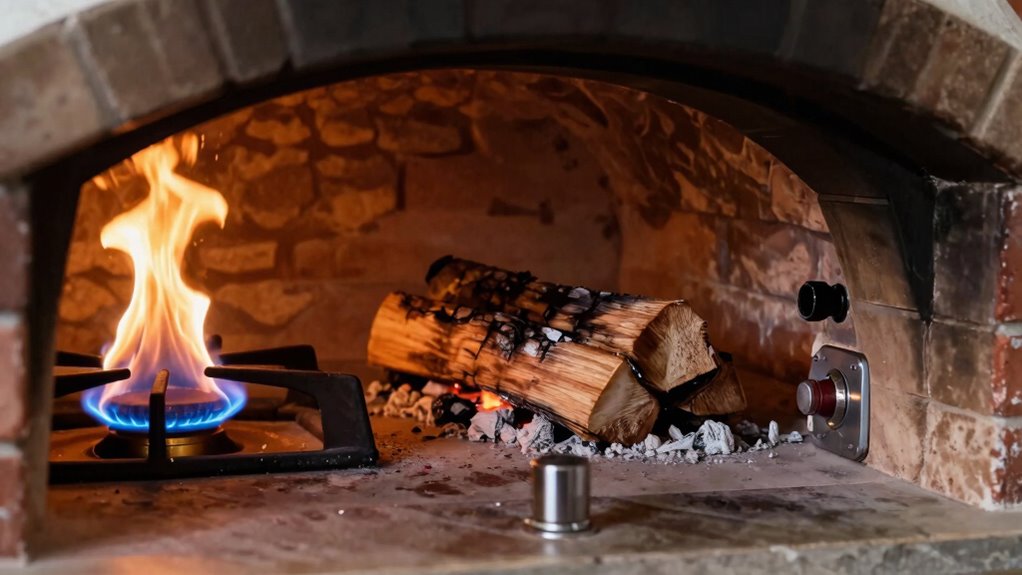
Choosing the right fuel for your pizza oven is vital to achieving that perfect crust and smoky flavor. The type of fuel you select directly influences oven temperature, fuel efficiency, and the overall quality of your pizza. Different fuels burn at varying temperatures and efficiencies, so understanding these factors helps you make an informed decision. Gas ovens are known for their quick and consistent oven temperature, which makes controlling your cooking environment easier. They heat up rapidly, allowing you to reach high temperatures with minimal effort. This fuel efficiency means less waste and lower operating costs over time, making gas a practical choice if you’re looking for convenience and steady performance. Plus, gas produces fewer emissions and less residual ash, simplifying cleanup. However, some purists argue that gas can lack the authentic smoky flavor that traditional wood-fired ovens deliver, which is an indispensable element for many pizza enthusiasts.
Wood-fired ovens, on the other hand, are prized for their ability to produce authentic smoky flavors that are hard to replicate with other fuels. They typically reach higher oven temperatures, often exceeding 900°F, which is ideal for achieving that signature crispy crust and perfectly cooked toppings. However, maintaining these high temperatures requires skill and patience, as the oven’s temperature can fluctuate based on how you manage the wood and air flow. Fuel efficiency can vary markedly with wood, depending on the type and quality used, as well as your experience in managing the fire. Wood fires tend to produce more ash and require regular cleaning, but they offer a traditional experience with rich flavors that many pizza lovers seek. If you value authenticity and are willing to put in the effort to learn fire management, wood-fired ovens can provide unmatched results. Additionally, fuel efficiency can be influenced by how well you manage the fire and air flow, which directly impacts your overall cooking experience. Understanding fuel types and their characteristics is essential for achieving optimal performance and flavor. Furthermore, considering the environmental impact of your fuel choice can help align your pizza-making with your sustainability goals. Some enthusiasts also consider multi-fuel options, which combine the benefits of different fuels for greater versatility and flavor control.
As an affiliate, we earn on qualifying purchases.
Frequently Asked Questions
How Does Fuel Choice Affect Pizza Flavor?
Your fuel choice directly impacts pizza flavor by enhancing aroma and taste. Wood fires add a smoky depth, creating a rich, complex flavor that complements ingredients like smoked cheeses or hearty meats. Gas offers consistent heat without strong flavors, allowing ingredient tastes to shine. Multi-fuel ovens provide versatility, letting you switch between smoky and neutral flavors. Your choice influences flavor enhancement and ingredient compatibility, shaping your pizza’s overall character.
Are Multi-Fuel Ovens More Cost-Effective Long-Term?
Multi-fuel ovens can be more cost-effective in the long run, acting like a jack-of-all-trades. They offer better fuel efficiency and adaptable burning options, saving you money over time. While maintenance costs might be higher initially, their versatility means you can switch fuels based on availability or price, ultimately reducing ongoing expenses. So, if you value flexibility and efficiency, a multi-fuel oven might be your best investment.
What Are the Safety Considerations for Different Fuels?
You need to prioritize safety by properly storing fuels, ensuring they’re kept in ventilated, secure areas away from heat sources. For gas, check for leaks regularly and install proper ventilation to prevent dangerous buildup. Wood requires keeping it dry and away from flames. Multi-fuel ovens demand careful handling of each fuel type, with adequate ventilation to prevent fumes or fire hazards. Always follow manufacturer guidelines for safe storage and ventilation.
How Does Fuel Type Impact Cooking Time?
Your fuel type directly impacts cooking time through fuel efficiency and ignition methods. Gas heats quickly, offering rapid ignition and consistent temperature control, which shortens cooking times. Wood takes longer to ignite and needs time to reach the desired heat, resulting in longer cooking periods. Multi-fuel ovens give you flexibility, but their cooking time varies depending on how efficiently you manage fuel and ignition. Overall, gas tends to be faster, while wood requires patience.
Can I Switch Fuels Easily on a Multi-Fuel Oven?
Yes, you can switch fuels easily on a multi-fuel oven, but you should always check fuel compatibility first to prevent damage. Be aware that switching fuels may require different maintenance routines—wood might need more cleaning, while gas needs inspection of connections. Always follow the manufacturer’s guidelines to guarantee safe operation when changing fuels, and perform regular maintenance to keep everything running smoothly.
Conclusion
Ultimately, choosing your pizza oven fuel is like selecting the secret ingredient to culinary greatness. Whether you opt for the sleek precision of gas, the rustic charm of wood, or the versatility of multi-fuel, your decision shapes the flavor universe of your pies. Embrace the power to elevate your pizza game to legendary status—because with the right fuel, you’re not just making pizza, you’re crafting an edible masterpiece that will dazzle taste buds and leave a lasting legacy.
Halloween Picks
halloween
As an affiliate, we earn on qualifying purchases.