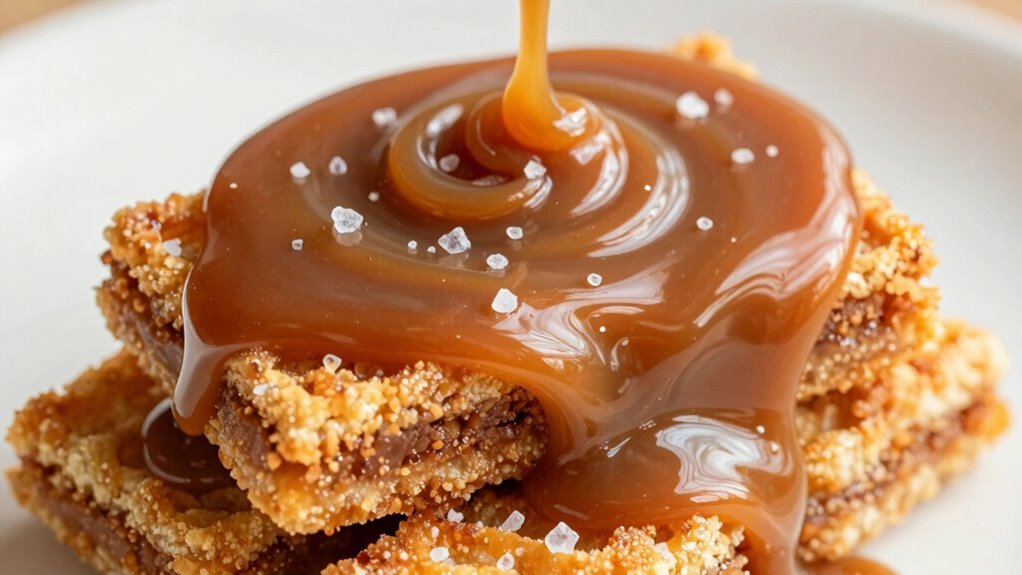

Salted caramel is so addictive because its perfect balance of sweet, salty, and complex flavors activates your brain’s reward system. The salt amplifies sweetness and enhances flavor, making each bite more satisfying. Chemical reactions during caramelization develop rich, layered tastes, while the aroma and texture heighten sensory pleasure. This combination triggers dopamine release and deepens cravings, keeping you wanting more. Continue exploring to uncover how its science makes it hard to resist.
Key Takeaways
- Salt enhances caramel’s flavor and triggers dopamine release, intensifying pleasure and reinforcing cravings.
- The balanced sweet and salty profile activates neural reward pathways, making salted caramel highly addictive.
- Salt influences caramelization chemistry, developing complex flavors that heighten sensory satisfaction.
- The rich aroma, texture, and flavor combination stimulate salivation and brain pleasure centers.
- Variations in ingredients and caramelization levels subtly alter taste, increasing the treat’s appeal and addictive potential.
What Makes Salted Caramel So Irresistible?
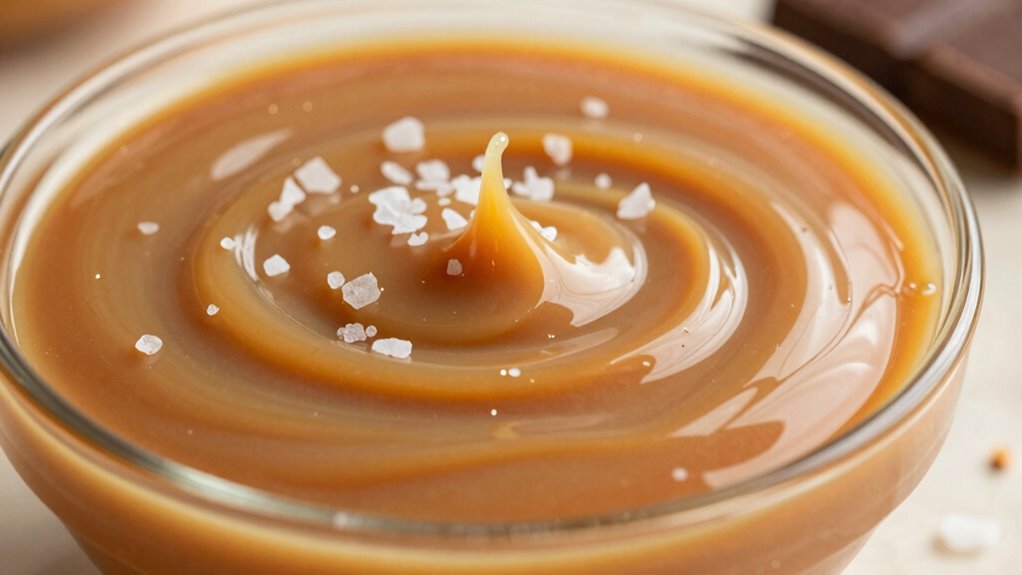
Salted caramel is so irresistible because it perfectly balances sweetness with a hint of saltiness, which enhances the overall flavor. This clever flavor pairing plays a significant role in its appeal, creating a complex taste that excites your palate. Its culinary history traces back to French pâtissiers experimenting with sugar and salt to elevate dessert flavors, a tradition that continues today. The addition of salt amplifies the caramel’s richness, making each bite more satisfying. Over time, salted caramel has become a beloved treat worldwide, thanks to its harmonious blend of ingredients that stimulate multiple taste receptors. This balance of sweet and salty is what makes salted caramel so addictive and universally appealing, rooted in centuries of culinary innovation.
How Does Salted Caramel Taste and Feel? (Texture, Aroma, Sensory Appeal)

The rich, creamy texture of salted caramel makes it a delight to experience with every bite. This sensory experience combines smoothness with a slight chewiness, creating a satisfying mouthfeel. Its aroma is warm and inviting, with hints of caramelized sugar and a touch of salt that heighten anticipation. The flavor complexity is what truly captivates you—sweet, buttery notes intertwine with a subtle saltiness that enhances the overall taste. As you savor it, you notice how the aroma and texture work together to amplify the caramel’s richness. The balance of creamy, salty, and sweet sensations keeps your senses engaged, making each bite not just delicious but memorably addictive. Salted caramel’s sensory appeal is a masterful blend of aroma, texture, and flavor. The sensory experience of salted caramel also involves the way its aroma influences your perception of taste, creating a more immersive indulgence. Additionally, flavor complexity is enhanced by the interplay of various sensory elements, making each bite uniquely captivating. Moreover, understanding the sensory perception involved can deepen your appreciation for this delectable treat, especially when considering how the taste buds respond to its nuanced profile. Recognizing the role of aroma and aroma can further enhance your overall enjoyment of salted caramel.
How Does Salt Enhance and Balance Sweet Flavors?
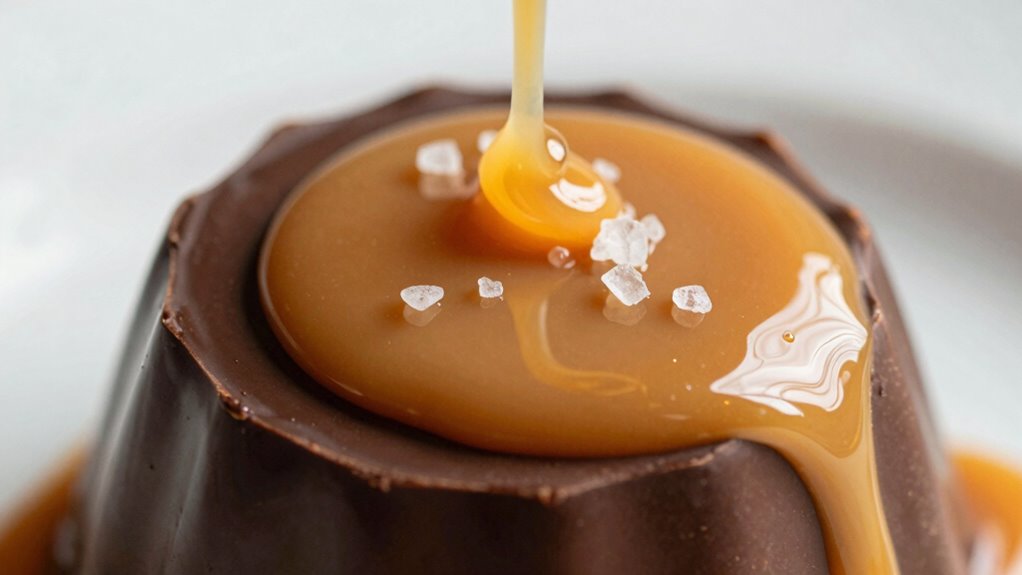
Salt plays a crucial role in enhancing and balancing sweet flavors by engaging your taste buds in a complex interplay. It creates flavor synergy, where salt amplifies the sweetness without overpowering it, making each note more vibrant. Salt also triggers sensory enhancement, heightening your perception of other flavors and adding depth to the caramel. When you add a pinch of salt, it doesn’t just counteract the sweetness; it highlights the nuances in flavor, making the overall taste more dynamic and satisfying. This balance prevents the sweetness from becoming cloying, allowing you to enjoy the caramel’s complexity. In essence, salt acts as a flavor enhancer that elevates the sensory experience, turning simple sweetness into a more refined and addictive treat.
What Happens Chemically When We Make Salted Caramel?
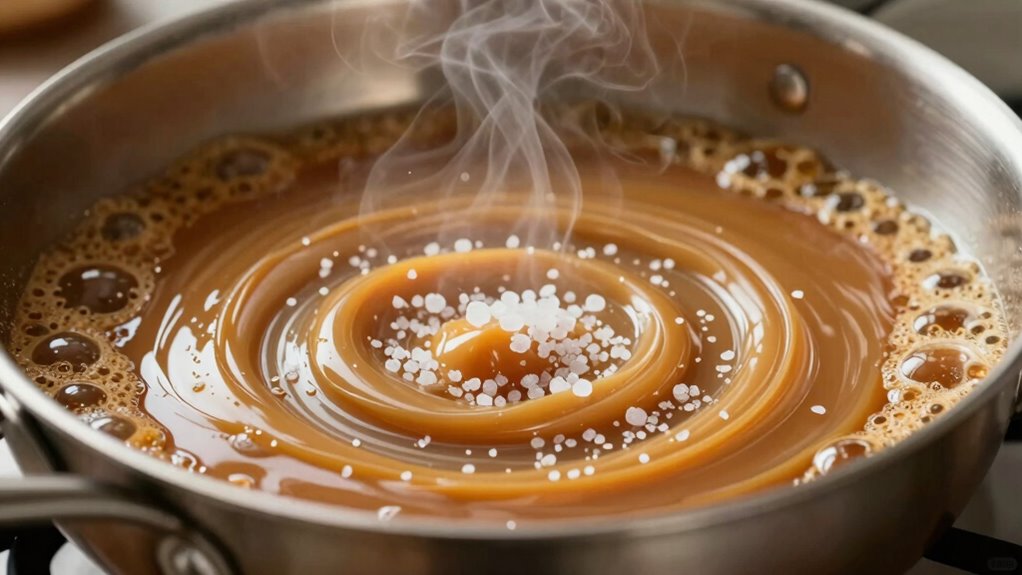
When you make salted caramel, the heat causes sugars to undergo caramelization, forming new, complex flavors through chemical reactions. Adding salt influences this process by enhancing certain taste compounds and balancing sweetness. Understanding how these elements interact reveals the chemistry behind the rich, layered flavor of salted caramel. Additionally, the presence of salt can modify the melting point of sugar, affecting the texture and mouthfeel of the final product in the market. The chemical reactions involved are crucial in creating the characteristic depth and complexity of salted caramel’s flavor profile.
Caramelization Process Dynamics
As you heat sugar to make caramel, its molecules undergo a complex series of chemical reactions that transform its structure. This process, known as caramelization, involves sugar molecules breaking down and recombining, leading to new compounds that define caramel chemistry. During this transformation, heat causes dehydration and the formation of flavorful compounds, creating the rich, complex aroma and taste we associate with caramel. The caramelization process is highly dynamic, with temperature control influencing reaction pathways and flavor development. As these chemical changes occur, flavor synergy emerges, blending sweet, nutty, and toasty notes into a harmonious profile. Understanding these process dynamics helps explain why salted caramel is so irresistible, with its layered, evolving flavors rooted in precise chemical reactions.
Salt and Flavor Interplay
Adding salt to caramel doesn’t just enhance flavor; it triggers specific chemical interactions that deepen and balance the overall taste. Salt chemistry involves more than just seasoning; it influences how flavor compounds interact, creating a complex flavor synergy. When salt dissolves, it interacts with sugars and amino acids, altering their chemical structures and amplifying certain notes while suppressing others. This process enhances the caramel’s sweetness without overpowering it, adding depth and contrast. The interplay between salt and caramel’s rich, toasted flavors also heightens aroma release, making each bite more enticing. Interestingly, the salty-sweet balance in salted caramel is a prime example of how flavor chemistry can be manipulated intentionally. Ultimately, this chemical interplay is what makes salted caramel so addictive—by fine-tuning flavor chemistry, it offers a harmonious balance that appeals to your taste buds on multiple levels.
How Does Salted Caramel Activate Our Brain’s Reward System?

When you taste salted caramel, the salt amplifies the flavor, making it more intense and satisfying. The sweetness then triggers your brain to release dopamine, creating feelings of pleasure. The perfect balance of salty and sweet keeps your reward system engaged, making salted caramel especially addictive. Additionally, the high-pressure release of flavors in salted caramel can stimulate the brain’s pleasure centers, further reinforcing its desirability. This dynamic interaction is similar to how sensory stimuli can heighten anticipation and satisfaction during the process. The complex interplay of these elements exemplifies how our brain’s reward system responds to sensory stimuli, enhancing our craving for such treats. Moreover, the neurochemical response involved in experiencing salted caramel contributes to its highly addictive nature.
Salt Enhances Flavor Perception
Have you ever wondered why a touch of salt makes caramel taste even more delicious? It’s because salt enhances flavor perception, making each taste more vivid and satisfying. When salt interacts with caramel, it suppresses certain bitter and sour notes, allowing sweet and savory flavors to shine through. This flavor enhancement heightens your sensory experience, making the caramel seem richer and more complex. Salt fundamentally amplifies the natural taste signals your brain receives, creating a more balanced and intense flavor profile. Additionally, salt can influence the release of neurotransmitters, which may contribute to the pleasurable sensation associated with salted caramel. The interaction between salt and flavor perception is a prime example of how sensory modulation influences taste experiences. Salt also plays a role in promoting salivation, which can further intensify flavor perception and enjoyment. This increase in salivary response helps to further dissolve and distribute the flavors across your taste buds, enhancing your overall experience. As a result, your taste buds send stronger signals to your brain, increasing pleasure and making the caramel seem more addictive. This simple ingredient tricks your senses, elevating the entire flavor experience and making salted caramel irresistible. flavor perception is a key element in how our brains interpret taste, explaining why small changes can have such a big impact.
Sugar Triggers Dopamine Release
Salted caramel’s irresistible appeal isn’t just about flavor—it also activates your brain’s reward system through the sugar it contains. When you take a bite, the caramel’s dairy content and rich sweetness prompt a dopamine release, reinforcing pleasure. The caramel’s thickness influences how quickly this dopamine surge occurs; thicker caramel tends to release sugar more slowly, prolonging the satisfying feeling. The sugar triggers your brain’s reward pathways, making you crave more. This process explains why salted caramel feels so addictive—your brain associates its sweet, creamy taste with pleasure and comfort. Additionally, the free floating nature of the ingredients allows for a more seamless digestion process, which can intensify the reward response. The combination of dairy richness and caramel consistency enhances this dopamine response, creating a heightened sense of reward that keeps you reaching for another bite.
Balance of Sweet and Salty
The perfect harmony of sweet and salty in salted caramel intensifies its appeal by engaging your brain’s reward system more fully. The salty contrast enhances the flavor harmony, making each bite more satisfying. When you experience this balance, your brain perceives a rewarding combination, releasing dopamine and reinforcing your desire for more. The salty elements cut through the sweetness, preventing overload and creating a complex taste profile that keeps you hooked. This interplay between sugar and salt triggers a pleasurable response, activating neural pathways associated with reward and craving. The flavor profile of salted caramel is carefully crafted to stimulate multiple neural pathways, enhancing its addictive qualities. By blending these flavors expertly, salted caramel taps into your natural preferences, making it not only delicious but also highly addictive. It’s this delicate balance that makes salted caramel a truly irresistible treat. Additionally, understanding how brain chemistry influences our taste preferences can deepen our appreciation for why such flavor combinations are so compelling. Recognizing the role of neural pathways in processing flavors reveals why certain combinations are more irresistible than others.
How Do Variations in Salted Caramel Change Its Flavor and Appeal?
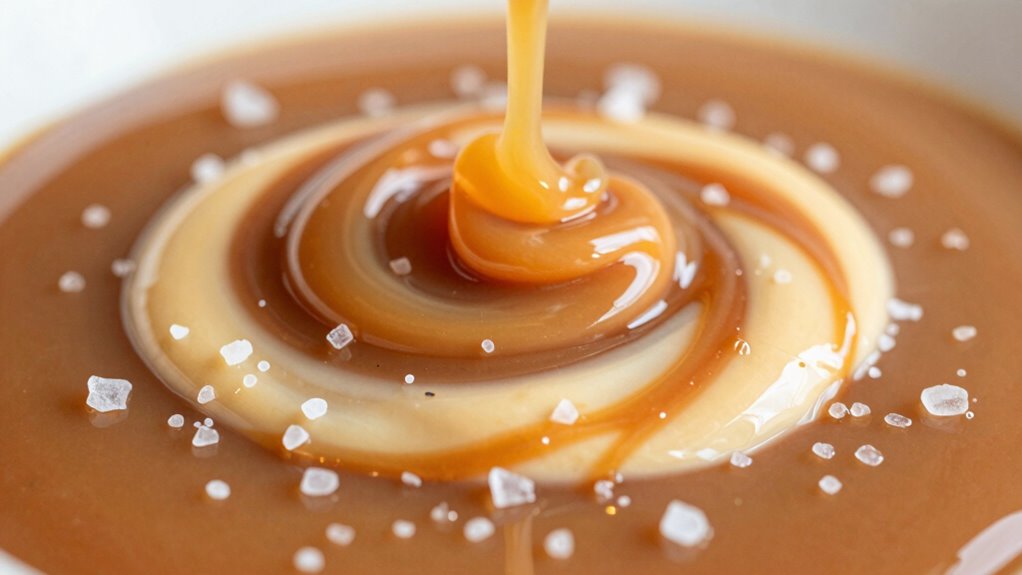
Variations in salt levels, caramelization techniques, and ingredient quality substantially influence salted caramel’s flavor and appeal. These ingredient variations create diverse flavor profiles, from buttery and rich to smoky and complex. Using different salts, like flaky sea salt versus fine table salt, can subtly alter the taste and texture, affecting how you perceive sweetness and saltiness. The caramelization process also plays a critical role; deeper caramelization yields a more robust, bitter note, while lighter techniques produce sweeter, milder flavors. precise temperature control during caramelization is essential for achieving consistent results. Additionally, understanding the science of caramelization can help you better manipulate flavors and achieve desired textures in your salted caramel. High-quality ingredients, such as fresh cream and pure vanilla, enhance the overall richness and depth. By adjusting these factors, you can customize salted caramel’s flavor, making it more appealing and suited to different preferences and culinary applications.
Why Do Our Tastes Make Salted Caramel So Difficult to Resist?

Our brains are naturally drawn to the irresistible combination of sweet and salty flavors, which makes salted caramel so hard to resist. This sweet contrast creates a powerful flavor synergy that activates pleasure centers in your brain, making each bite intensely rewarding. The sweetness satisfies your craving for sugar, while the salt enhances and balances those flavors, preventing the sweetness from becoming overwhelming. Salt also triggers the release of dopamine, reinforcing the desire to keep tasting. Your taste buds respond to this dynamic interplay, making salted caramel feel both familiar and exciting. As a result, your instincts urge you to indulge, chasing that perfect harmony of flavors that feels uniquely satisfying and almost addictive.
What Science Explains Salted Caramel Cravings and Pleasure?
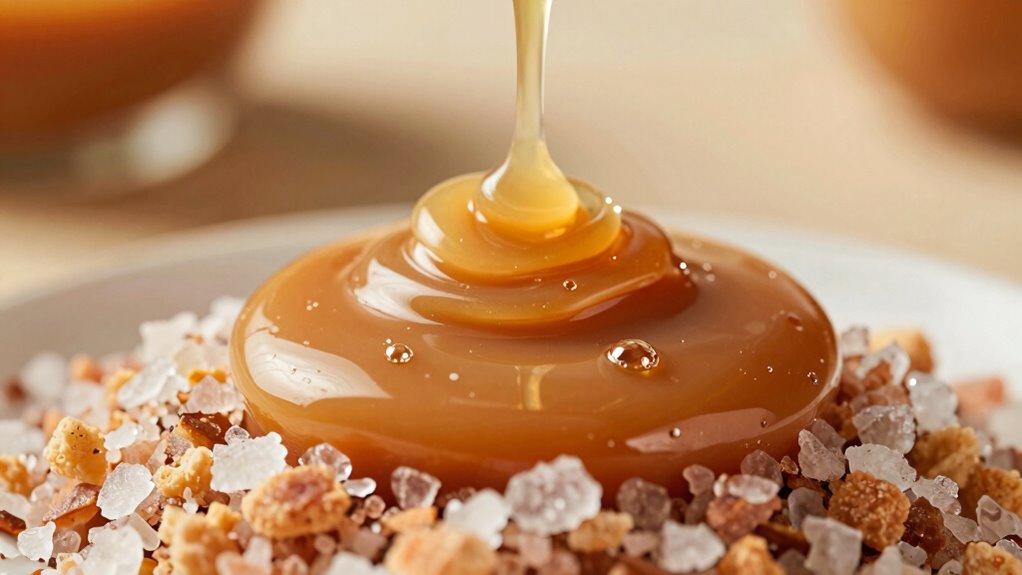
When you taste salted caramel, your brain responds to the complex interplay of flavors on a chemical level, explaining why it’s so hard to resist. Salt enhances the sweetness, triggering pleasure centers in your brain, while the caramel’s rich, buttery notes activate sensory memory—reminding you of comforting experiences. Cultural influence also plays a role; salted caramel has become a popular treat worldwide, reinforcing cravings through shared social experiences and marketing. These factors combine to create a potent mix of sensory cues and emotional associations that heighten your desire for salted caramel. Your brain learns to associate its unique flavor profile with comfort and reward, making you crave that perfect balance of sweet, salty, and savory every time.
How Can You Make Delicious Salted Caramel at Home and Satisfy Cravings Responsibly?
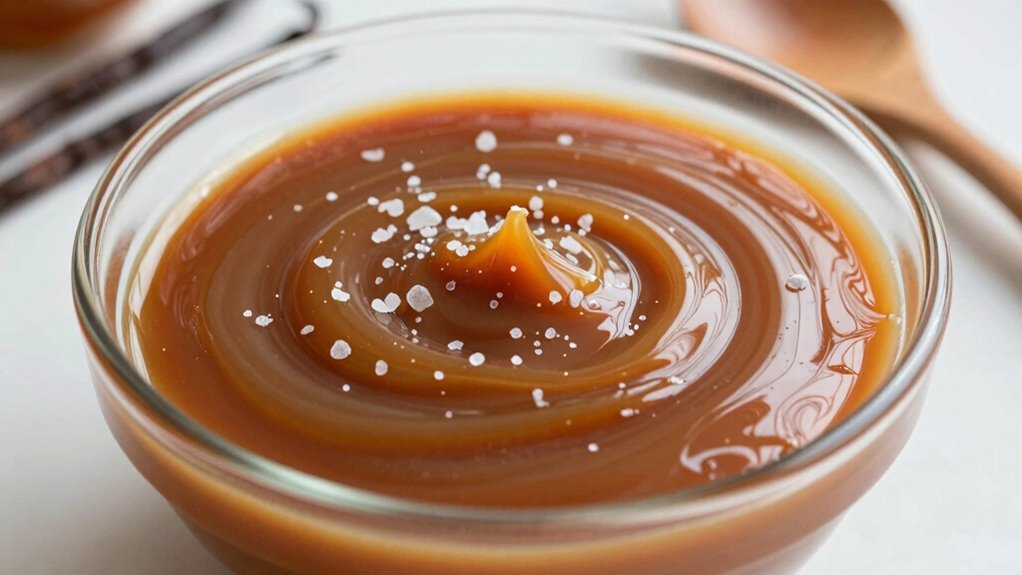
Making delicious salted caramel at home is easier than you might think, and it allows you to satisfy your cravings responsibly. Start with simple culinary techniques like carefully caramelizing sugar and gradually adding cream and butter to achieve the perfect consistency. To make it healthier or suit dietary needs, consider ingredient substitutions such as coconut sugar instead of white sugar or sea salt instead of regular salt. Use a candy thermometer to monitor temperature and prevent overcooking. Stir constantly to prevent burning and ensure a smooth texture. Once ready, pour the caramel into a dish and sprinkle a pinch of salt on top. These steps give you control over the flavor and quality, making your homemade salted caramel both satisfying and responsible.
Frequently Asked Questions
How Does the Type of Salt Influence Salted Caramel’s Flavor?
The type of salt substantially influences your salted caramel’s flavor by altering the salt flavor and mineral influence. Fine sea salts add a subtle, clean salt taste, while coarse salts provide a crunch and more pronounced mineral notes. Himalayan or fleur de sel introduce complex mineral flavors, enhancing depth. You’ll notice these differences in how the salt interacts with caramel’s sweetness, making each variation uniquely delicious.
What Are Common Mistakes When Making Homemade Salted Caramel?
Imagine your caramel as a delicate dance—missteps can cause a fall. You often stumble with incorrect ingredient ratios, which throw off the balance of sweetness and saltiness. Overcooking the caramel is like burning the stage, ruining the entire performance. To avoid these mistakes, measure carefully, monitor the heat, and never rush the process. Patience and precision transform a simple recipe into a luscious, silky salted caramel masterpiece.
Can Salted Caramel Be Considered a Healthy Treat?
Salted caramel isn’t typically considered a healthy treat because of its high sugar content and added preservatives. You might enjoy it occasionally, but eating too much can spike your blood sugar levels and add unnecessary preservatives to your diet. If you want a healthier option, try making homemade salted caramel with natural ingredients and minimal sugar, so you can indulge without compromising your health too much.
How Does Temperature Affect Salted Caramel’s Texture and Taste?
Temperature profoundly impacts salted caramel’s texture and taste. When you control temperature carefully, you prevent caramel crystallization, ensuring it stays smooth and velvety. Heating it too high or too low alters its consistency, making it either too runny or too hard. Precise temperature control allows you to achieve that perfect balance—rich, flavorful, and with a melt-in-your-mouth feel. So, monitor your heat to craft ideal salted caramel every time.
Are There Cultural Differences in Salted Caramel Preferences Worldwide?
You’ll notice that salted caramel’s popularity varies worldwide due to cultural flavor preferences and regional ingredient variations. In some countries, sweeter, creamier versions appeal more, while others prefer a balance of salty and sweet. Local ingredients influence flavor, like sea salt from coastal regions or unique sweeteners. This diversity makes salted caramel a versatile treat, allowing you to indulge in different cultural caramel creations wherever you go.
Conclusion
Now that you know the science behind salted caramel’s irresistible allure, imagine what you could create with this knowledge. Will you craft the perfect balance of sweetness and saltiness to satisfy your cravings? Or will the secrets of its chemical magic draw you deeper into its addictive charm? The next time you indulge, remember—there’s more than just taste at play. The true mystery lies in what you’ll crave next.