Casein and whey are dairy proteins that work together to support your muscle recovery and overall nutrition. Whey digest quickly, providing rapid amino acids after workouts, while casein breaks down slowly, releasing nutrients over hours, even during sleep. Combining both helps you optimize muscle growth and maintenance throughout the day. Understanding how these proteins function can help you make smarter choices for your fitness goals, and there’s more to discover if you keep exploring.
Key Takeaways
- Whey digests quickly, providing rapid amino acids post-exercise, while casein digests slowly, supporting sustained muscle repair.
- Combining whey and casein optimizes muscle growth, recovery, and maintenance over different time frames.
- Whey enhances immediate muscle protein synthesis, ideal for post-workout nutrition; casein prevents muscle breakdown during fasting.
- Both are complete proteins, supplying essential amino acids necessary for tissue repair and overall health.
- Understanding their digestion helps tailor nutritional strategies for athletes and aging populations aiming to preserve muscle mass.

Have you ever wondered what makes dairy proteins so valuable in nutrition and food production? The answer lies in their unique ability to support your body’s needs, especially when it comes to protein digestion and muscle recovery. Dairy proteins, primarily casein and whey, are considered complete proteins because they contain all essential amino acids your body can’t produce on its own. These amino acids are indispensable for maintaining and repairing tissues, making dairy proteins a popular choice for athletes and anyone aiming to optimize their health.
When you consume dairy, your body begins breaking down these proteins through digestion. Whey protein digests quickly, releasing amino acids into your bloodstream rapidly. This fast absorption makes whey an excellent post-workout supplement, as it provides your muscles with the nutrients they need promptly to kickstart muscle recovery and reduce soreness. On the other hand, casein digests more slowly, providing a steady release of amino acids over several hours. This slow digestion helps prevent muscle breakdown during extended periods without food, such as overnight. As a result, incorporating both whey and casein into your diet can support muscle maintenance and growth more effectively than relying on one type alone.
The process of protein digestion is essential because it determines how efficiently your body can utilize the amino acids from dairy. When you consume whey, the rapid digestion ensures that your muscles get an immediate supply of amino acids, which is particularly beneficial after intense exercise. This quick availability of nutrients helps stimulate muscle protein synthesis, aiding in faster recovery and growth. Conversely, casein’s slow digestion makes it ideal for sustained amino acid delivery, ensuring a prolonged supply that supports muscle repair even during fasting periods, like sleep.
Moreover, dairy proteins are not just about muscle recovery; they also contribute to overall nutrition by supporting immune function, hormone production, and tissue repair. Their high biological value means your body can efficiently absorb and use the amino acids they provide, making dairy proteins a reliable source of high-quality nutrition. Whether you’re an athlete aiming to enhance performance or someone seeking to maintain muscle mass as you age, understanding the roles of whey and casein in digestion and recovery helps you make informed dietary choices.
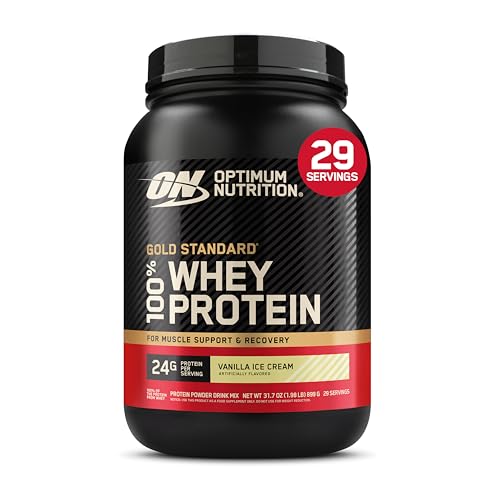
Optimum Nutrition Gold Standard 100% Whey Protein Powder, Vanilla Ice Cream, 2 Pound (Packaging May Vary)
- Protein Content: 24g high-quality whey protein per scoop
- Amino Acids: 5.5g BCAAs and 11g EAAs per serving
- Low Sugar and Carbs: Approximately 1g sugar and 3g carbs
As an affiliate, we earn on qualifying purchases.
As an affiliate, we earn on qualifying purchases.
Frequently Asked Questions
How Do Casein and Whey Impact Muscle Recovery Differently?
You’ll notice that whey protein boosts muscle synthesis quickly because it’s rapidly absorbed, making it ideal right after workouts. Casein, on the other hand, absorbs slowly, providing a steady release of amino acids that supports ongoing muscle recovery. Together, they optimize protein absorption and muscle recovery, with whey acting fast and casein sustaining muscle synthesis over time. This combination efficiently enhances your overall muscle repair process.
Are Dairy Proteins Suitable for People With Lactose Intolerance?
Lactose intolerance leaves many wondering if dairy proteins are suitable. You might struggle with lactose digestion, causing discomfort after consuming regular dairy. Luckily, dairy alternatives like lactose-free milk, plant-based proteins, and fortified options exist, allowing you to enjoy protein benefits without the bloating. You can still fuel your fitness goals with these alternatives, making dairy proteins accessible and enjoyable despite lactose intolerance.
Can Dairy Proteins Aid in Weight Management?
Yes, dairy proteins can aid in weight management. You benefit from satiety enhancement, which helps you feel full longer and reduces overeating. Additionally, these proteins can provide a metabolic boost, encouraging your body to burn calories more efficiently. Incorporating casein and whey into your diet supports your weight loss goals by controlling hunger and increasing your overall metabolic rate, making it easier to stay on track.
What Are the Environmental Impacts of Dairy Protein Production?
You might not realize that dairy protein production can impact the environment through its carbon footprint, which results from greenhouse gas emissions during farming and processing. However, adopting sustainable farming practices can drastically reduce these effects. By choosing products from farms that prioritize eco-friendly methods, you help lower overall environmental impact, promoting a more sustainable dairy industry and contributing to climate change mitigation efforts.
Do Dairy Proteins Contain Any Significant Allergens?
Ever wonder if dairy proteins could trigger allergies? They definitely can. You should know that dairy contains allergenic proteins, which cause reactions in some people. Dairy allergies are common, especially among children. These proteins, found mainly in casein and whey, can lead to symptoms like hives, stomach pain, or even more severe reactions. If you have dairy allergies, it’s essential to avoid products with these proteins to stay safe.
Conclusion
Now that you know how casein and whey work together, isn’t it amazing how these dairy proteins support muscle growth and recovery? Whether you’re fueling your workout or repairing after, understanding their roles helps you make smarter choices. So, next time you reach for that protein shake, ask yourself: are you giving your body the best it deserves? Embrace these powerful proteins and release your full potential—your body will thank you!