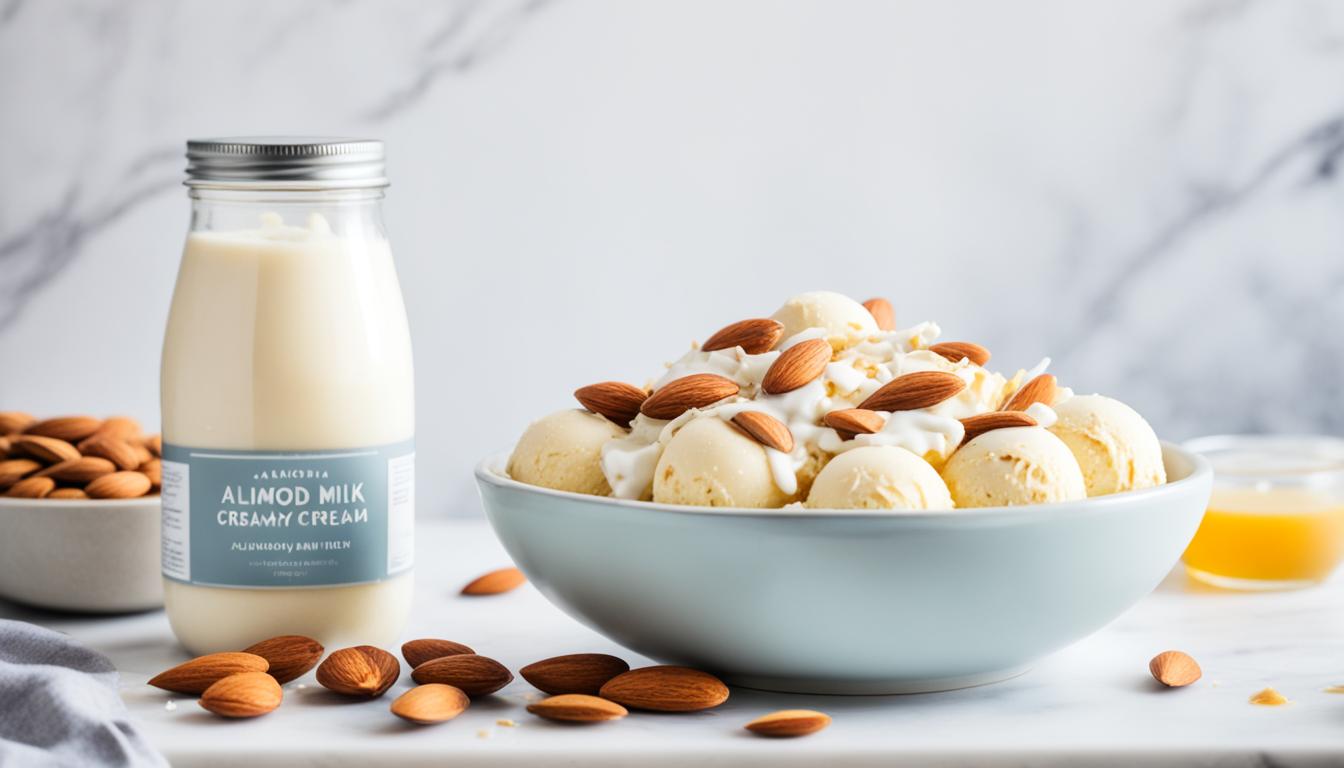

A typical scoop of ice cream contains about 150 calories, with roughly 20 grams of carbs, 8 grams of fat, and 3 grams of protein. The exact amounts depend on the type—dairy or dairy-free—and added ingredients like toppings or mix-ins. Sugar levels can vary widely, impacting calories and blood sugar. Knowing these details helps you enjoy treats mindfully. Keep exploring to discover how to make smarter choices with your favorite flavors.
Key Takeaways
- A typical half-cup scoop of ice cream contains about 150 calories, 20g carbs, 8g fat, and 3g protein.
- Calorie and macro content vary based on ingredients, with dairy and alternative options differing in nutritional profile.
- Higher sugar levels increase calorie count and impact blood sugar, important for managing health and macros.
- Portion control and measuring scoops help prevent overconsumption and manage calorie intake effectively.
- Choosing lower-fat or dairy-free options can reduce overall calories and saturated fats in your ice cream serving.

Ice cream is a popular treat enjoyed by many, but if you’re mindful of your diet, understanding its calories and macronutrients can help you make informed choices. Whether you’re watching your calorie intake or managing your carbohydrate, fat, and protein consumption, knowing what’s in your scoop makes a difference. One way to enjoy ice cream without overdoing it is by exploring dairy alternatives, which can lower calorie and fat content while providing options for those with lactose intolerance or dairy sensitivities. Non-dairy ice creams made from almond milk, coconut milk, cashew milk, or soy milk often have fewer calories and less saturated fat than traditional dairy-based versions. However, they can still contain added sugars, so checking labels is essential. Incorporating dairy alternatives allows you to enjoy the creamy texture and flavor of ice cream while better controlling your calorie intake.
Additionally, sugar content in ice cream can vary significantly, impacting both calorie counts and blood sugar levels.
Portion control is another vital factor when managing your macros. A standard scoop of ice cream typically ranges from about ½ cup to 1 cup, but larger servings can quickly increase your calorie and carbohydrate intake. By measuring your portions, you prevent accidental overconsumption, which can sabotage your dietary goals. Using smaller bowls or pre-portioning your ice cream can help you stay on track. Remember, even healthier options like dairy alternatives need to be enjoyed in moderation, especially if they contain added sugars or fats.
When considering the macros in ice cream, keep in mind that most traditional varieties are high in sugar and saturated fats, contributing to increased calorie counts. For example, a typical half-cup serving might contain around 150 calories, 20 grams of carbohydrates, 8 grams of fat, and 3 grams of protein. These numbers can vary widely depending on the ingredients and added toppings. If you’re aiming to reduce calorie intake, look for options labeled “light” or “reduced-fat,” or consider making your own at home with controlled ingredients. You can also customize recipes with dairy alternatives to boost fiber or protein content, making your treat more satisfying without adding excessive calories.
Frequently Asked Questions
Are Dairy-Free Ice Creams Lower in Calories?
Yes, dairy-free ice creams are often lower in calories, especially if they use plant-based milk with fewer calories than traditional dairy. They also offer benefits like being suitable for lactose intolerance. However, watch the sugar content, as some dairy-free options can be high in added sugars to enhance flavor. Choose brands with mindful ingredients for a healthier treat that aligns with your dietary goals.
How Do Toppings Affect the Overall Calorie Count?
Toppings are like small treasures that can transform your ice cream experience, but they also hike up the calorie count. The sugar content in caramel or chocolate drizzles adds sweetness and calories, so portion control is key. By choosing lighter toppings or using them sparingly, you keep the indulgence enjoyable without overwhelming your calorie budget. Think of toppings as accents—enhance, but don’t overpower the main flavor.
Do All Ice Cream Brands Have Similar Macros?
Not all ice cream brands have similar macros. You’ll notice differences in sugar content and serving sizes, which affect the calorie count. Some brands use more sugar and larger servings, boosting carbs and calories, while others opt for lower-sugar options or smaller portions. Always check the nutrition label to compare macros, especially if you’re mindful of sugar intake or portion sizes.
Can Ice Cream Fit Into a Low-Carb Diet?
Think of ice cream as Pandora’s box—you can indulge, but with limits. Yes, it can fit into a low-carb diet if you choose options with low sugar content and moderate fat levels. Look for sugar-free or keto-friendly varieties, and enjoy in moderation. Be mindful of hidden carbs in flavored or mix-in varieties. By selecting carefully, you can satisfy your sweet tooth without breaking your diet.
What Are Healthier Alternatives to Traditional Ice Cream?
You can enjoy healthier alternatives to traditional ice cream by trying vegan options made with plant-based milks like almond or coconut, which often contain fewer calories and fats. Look for varieties that use natural sugar substitutes such as stevia or erythritol to reduce sugar content. These options satisfy your sweet tooth while providing a nutritious twist, making them perfect for health-conscious choices without sacrificing flavor.
Conclusion
Now that you know what’s in each scoop, imagine the possibilities—and the temptations—that lie ahead. Will you choose moderation or indulge without limits? Every spoonful holds a secret, a balance between pleasure and mindful eating. The choice is yours, but remember, understanding those calories and macros might just change your next decision. Are you ready to savor with awareness or let the temptation take over? The scoop’s in your hands—what will you do next?