
To stop ice cream from forming a frosty lid, keep it in airtight containers to block moisture. Store it at a steady temperature around 0°F (−18°C) and avoid opening the freezer door frequently. Wrapping the container tightly with plastic wrap or foil helps prevent frost buildup. Proper freezer management and quick handling also minimize temperature fluctuations and moisture entry. Continue exploring these tips to keep your ice cream fresh and frost-free.
Key Takeaways
- Use airtight containers with tight-fitting lids to prevent moisture entry and frost buildup.
- Keep the freezer at a consistent 0°F (−18°C) and avoid frequent door openings.
- Wrap ice cream tightly with plastic wrap or aluminum foil before sealing to block moisture.
- Minimize temperature fluctuations by organizing freezer items and avoiding overloading.
- Regularly defrost and clean the freezer to prevent excess frost from forming on lids.
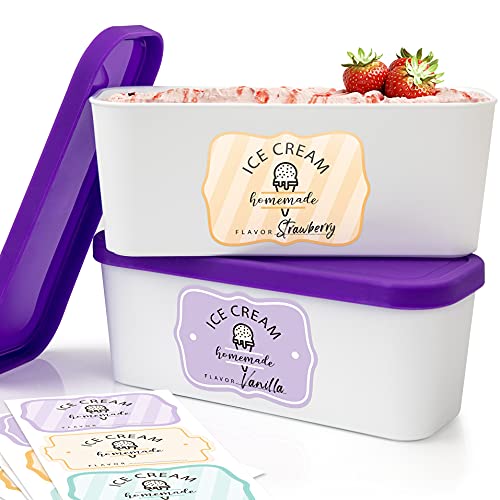
ZICOTO Set of 2 Reusable Ice Cream Tub Containers 1.6 Quart Ea. with Lids
- Ideal for Homemade Frozen Desserts: Perfect for ice cream, sorbet, yogurt
- High-Quality, Leak-Proof Design: Tight sealing lids prevent leaks and freezer burn
- Durable, Safe Materials: BPA-free, sturdy, and freezer-safe containers
As an affiliate, we earn on qualifying purchases.
As an affiliate, we earn on qualifying purchases.
Why Does Frost Form on Ice Cream, and How Does It Affect Quality?

Frost forms on ice cream when moisture from the air condenses and freezes on its surface, especially during temperature fluctuations or improper storage. This frost buildup occurs because warm, humid air touches the cold ice cream, causing water vapor to turn into ice crystals. These ice crystal formations create a frosty lid that can affect texture and flavor. As frost accumulates, it leads to larger, rougher ice crystals, which can cause ice cream to become grainy and less creamy. Additionally, frost can trap moisture inside the container, leading to freezer burn and a decline in overall quality. Proper storage and temperature regulation are essential in minimizing frost buildup and preserving ice cream quality. Controlling humidity levels in your freezer can further help prevent excessive frost formation, ensuring your ice cream remains fresh and enjoyable. Regularly checking your freezer’s door seals and ventilation can also help maintain optimal conditions and reduce frost development. Being mindful of freezer organization can help prevent cold air from escaping and humidity from entering, further reducing frost formation.
How to Store Ice Cream Properly to Keep It Frost-Free

To keep your ice cream frost-free, store it in airtight containers to prevent moisture buildup. Maintain a consistent freezer temperature and avoid opening the lid too often, which introduces humidity. These simple steps help preserve your ice cream’s quality and prevent frosty lids from forming. Additionally, proper document management can help you stay organized and easily access storage tips and guidelines. Regularly checking your freezer’s temperature control ensures optimal conditions and reduces the likelihood of frost formation on your ice cream. Implementing proper storage techniques can further enhance ice cream preservation by minimizing exposure to moisture and temperature fluctuations, especially by utilizing climate-controlled storage options where possible. Understanding freezer organization is also key to maintaining consistent temperatures and avoiding frost buildup on your ice cream.
Use Airtight Containers
Using airtight containers is one of the most effective ways to prevent ice cream from forming a frosty lid. Proper airtight sealing keeps moisture out, reducing ice formation. When choosing container types, consider these options:
- Plastic tubs with tight-fitting lids are common and easy to seal.
- Glass containers offer a good seal and are freezer-safe.
- Silicone storage bags provide flexible, airtight options.
- Vacuum-sealed containers eliminate air completely for maximum freshness. Maintaining a proper storage environment can also help prevent frost buildup and prolong the quality of your ice cream. Additionally, temperature regulation in your freezer plays a crucial role in preventing ice formation on lids and surfaces. Proper air circulation within the freezer can also help maintain an even temperature, reducing frost buildup on stored items. Using a dehumidifier or moisture absorber in your freezer can further reduce excess humidity that contributes to frost formation. Ensuring your container has a secure lid is key. Always check for proper sealing before storing. This prevents moisture from entering and reduces frost buildup. Using proper sealing techniques can further improve the effectiveness of your storage method. By selecting the right container type with a reliable seal, you keep your ice cream fresh and frost-free longer.
Keep Temperature Consistent
Maintaining a consistent temperature is essential for preventing ice cream from developing a frosty lid. Fluctuations in temperature cause ice crystals to form and melt repeatedly, leading to frost buildup. To keep the temperature steady, avoid frequent door openings, which disrupt air circulation and allow warm air in. Store ice cream in the coldest part of your freezer, away from the door, to minimize temperature swings. Proper air circulation helps evenly distribute cold air, maintaining a stable environment. Use the following table to understand key practices:
| Tip | Benefit |
|---|---|
| Keep lid tightly sealed | Prevents air exchange and temperature fluctuations |
| Store in the coldest spot | Maintains consistent temperature |
| Avoid door openings | Reduces air circulation disturbances |
| Use a thermometer | Monitors freezer temperature accurately |
| Limit storage duration | Prevents temperature drift over time |
Avoid Frequent Opening
Have you ever noticed how opening the freezer repeatedly causes ice cream to develop frost? Every time you open it, warm air enters, leading to moisture buildup that affects the ice cream texture. To keep frost at bay, limit how often you open the freezer. Here’s what you should do:
- Plan your shopping trips to minimize opening times
- Use a scoop or spatula to serve instead of removing the entire container
- Keep the lid sealed tightly after each use
- Keep the freezer door closed longer to stabilize temperature and reduce freezer noise
- Be mindful of freezer maintenance to ensure optimal insulation and temperature control
What Freezer Settings Help Prevent Ice Crystal Formation?

To prevent ice crystals from forming, start by setting your freezer to around 0°F (−18°C). Keep your ice cream in airtight containers and avoid opening the door too often. These simple adjustments help maintain a consistent temperature and reduce moisture, keeping your lid frost-free. Additionally, proper energy management can help stabilize internal temperatures and prevent frost buildup. Using temperature control devices or thermostats can further ensure your freezer remains at the optimal setting for ice cream storage. Maintaining a steady temperature is crucial because fluctuations can lead to frost formation, which affects texture and quality. Implementing consistent temperature settings minimizes the risk of ice crystal development over time. Proper air circulation within the freezer also plays a vital role in preventing uneven cooling and frost buildup.
Adjust Freezer Temperature
- Keep the temperature steady; avoid frequent adjustments.
- Use a reliable thermometer to monitor the exact temperature.
- Opt for the coldest setting if you often experience frost issues.
- Remember that too cold can cause freezer burn, so find a balanced setting.
- Consider temperature fluctuation and how it can contribute to ice crystal formation on your ice cream. Maintaining a consistent temperature aligns with holistic SEO principles, ensuring your freezer runs efficiently and prevents unwanted frost buildup.
Use Airtight Containers
Using airtight containers is essential for preventing ice crystal formation in your ice cream. Proper airtight storage minimizes moisture exposure and maintains a consistent freezing environment. Guarantee your container sealing is tight to prevent air from entering, which can lead to ice crystals and a gritty texture. Choose containers with secure lids that form a complete seal, and avoid leaving gaps or loose-fitting covers. When transferring ice cream to storage, press out excess air before sealing to reduce air pockets. Maintaining airtight storage also helps preserve flavor and texture by preventing freezer burn. Regularly check the seals and replace damaged containers to keep your ice cream smooth and scoopable longer. Proper container sealing is a simple yet effective step to keep your ice cream perfect.
Minimize Freezer Door Openings
Minimizing how often you open the freezer door helps keep the temperature steady, reducing the chances of ice crystals forming on your ice cream. To improve freezer conditions, focus on good freezer organization. Keep ice cream flavors together and avoid searching for items repeatedly. This way, you open the door less often. Additionally, consider these tips:
- Use clear bins to easily locate items.
- Keep frequently used items near the front.
- Avoid leaving the door open for long periods.
- Set your freezer to the coldest safe temperature, ideally around -18°C (0°F).
- Thermal behavior of your freezer can influence how well it maintains consistent temperatures, so choosing a model with good insulation and temperature stability can help prevent frost buildup.
These steps help maintain a consistent temperature, preventing temperature fluctuations that cause ice crystals. By limiting door openings and organizing efficiently, you protect your ice cream from frost buildup and preserve its creamy texture.
How to Wrap and Cover Ice Cream to Stay Frost-Free

Wrapping and covering your ice cream properly is essential to prevent frost from forming on the lid. Use airtight ice cream packaging or wrap the container tightly with plastic wrap or aluminum foil. This creates a barrier that reduces moisture exposure and helps maintain the ice cream’s quality. When organizing your freezer, place ice cream on a flat, stable shelf away from door openings to minimize temperature fluctuations. Keeping your freezer organized ensures that each item is easily accessible and reduces the risk of accidental exposure to warm air. Proper wrapping and strategic storage not only prevent frost buildup but also preserve the texture and flavor of your ice cream, making each scoop as fresh as the first. Additionally, utilizing proper storage techniques can further extend the ice cream’s freshness and prevent freezer burn.
Tips for Handling Ice Cream to Minimize Frost During Use

Handling your ice cream carefully during serving can make a big difference in preventing frost from forming on the lid. To improve frost prevention, use these ice cream techniques:
- Keep scoops cold to reduce temperature fluctuations.
- Avoid letting ice cream sit out too long before serving.
- Use a quick, confident scooping motion to minimize air exposure.
- Return ice cream to the freezer immediately after serving to prevent condensation.
Maintaining Your Freezer for Better Ice Cream Storage

To keep your ice cream from developing frost and maintain its quality, it is vital to properly maintain your freezer. Regular proper defrosting prevents excess frost buildup, which can compromise storage conditions. During defrosting, turn off the freezer, remove stored items, and allow the ice to melt naturally. Wipe away water and dry the interior thoroughly before restarting. Additionally, good freezer organization helps prevent frost formation by avoiding overcrowding; keep items neatly arranged and avoid blocking vents. Use airtight containers to minimize moisture exposure, which can lead to frost. Maintaining a consistent temperature, ideally around 0°F (-18°C), also guarantees optimal storage conditions. Proper defrosting combined with organized storage helps keep your ice cream fresh, frost-free, and ready whenever you crave it.
Frequently Asked Questions
Can Different Ice Cream Flavors Cause More Frost Buildup?
Different ice cream flavors can influence frost buildup due to their varying sugar and fat content, which affects moisture release. Ice cream flavor influence plays a role, as higher sugar levels can attract more moisture, increasing frost buildup factors. To minimize this, guarantee your freezer maintains consistent temperature and keep the lid sealed tightly. These steps help reduce frost formation regardless of flavor, keeping your ice cream in top condition.
How Often Should I Defrost My Freezer to Prevent Frost?
Did you know that defrosting your freezer every 6 to 12 months can cut frost buildup by up to 50%? You should defrost your freezer whenever you notice a thick layer of ice or when the frost exceeds a quarter-inch. Keep the freezer temperature steady around 0°F, and always guarantee proper sealing of the door to prevent excess moisture. Regular defrosting keeps your appliance running efficiently and prevents frost from forming prematurely.
Does Opening the Freezer Frequently Increase Frost Formation?
Yes, opening your freezer frequently can increase frost formation because warm, moist air enters, affecting container insulation and freezer ventilation. Each time you open it, moisture condenses and freezes, creating frost buildup. To minimize this, keep the freezer door closed as much as possible, guarantee proper ventilation, and check that containers are well-sealed. This helps maintain ideal temperature and reduces frost-related issues, keeping your ice cream fresh.
Are There Specific Containers That Reduce Frost in Ice Cream?
Using airtight containers and insulated packaging can markedly reduce frost formation in your ice cream. When you store ice cream in airtight containers, you limit exposure to moisture, which causes frost. Insulated packaging helps maintain a consistent temperature and prevents temperature fluctuations that lead to frost buildup. By choosing these containers, you keep your ice cream fresher longer and minimize the frosty lid problem.
How Does Humidity Affect Ice Cream Frost Formation?
Humidity impacts ice cream frost formation like a sponge soaking up water. When humidity’s high, moisture from the air easily condenses on your ice cream’s surface, creating a frosty lid. To control this, you need moisture control measures like sealing containers tightly and storing ice cream in a low-humidity environment. These steps help reduce frost buildup and keep your ice cream creamy and delicious longer.
Conclusion
Think of your freezer as a guardian for your ice cream’s soul, protecting its creamy essence from the icy curse of frost. By following these tips, you’re not just preserving flavor—you’re safeguarding a little piece of happiness. With careful handling and proper storage, you keep the door open to sweet moments without the chill of frost stealing their magic. Treat your ice cream with love, and it’ll reward you with every delicious spoonful.