TL;DR

Get baking supplies delivered free with Prime
- Fast, free delivery on millions of items
- Prime Video, Amazon Music and more included
- Member-only deals all year
A Good Housekeeping report advises clearing five types of freezer clutter: messy open packages, old ice, expired or unwanted foods, nearly empty containers and unidentified items. Cleaning professionals quoted in the report offer practical reasons to remove or reorganize them, but the article does not set new food-safety rules or give a universal time limit for frozen food.
Good Housekeeping has published a freezer-cleanout guide naming five kinds of items to remove or reorganize: messy open packages, old ice, expired or unwanted food, nearly empty containers and unidentified items. The advice comes from cleaning professionals Rochelle Wilkinson and Logan Taylor, and focuses on reducing clutter and addressing food whose condition or identity is uncertain.
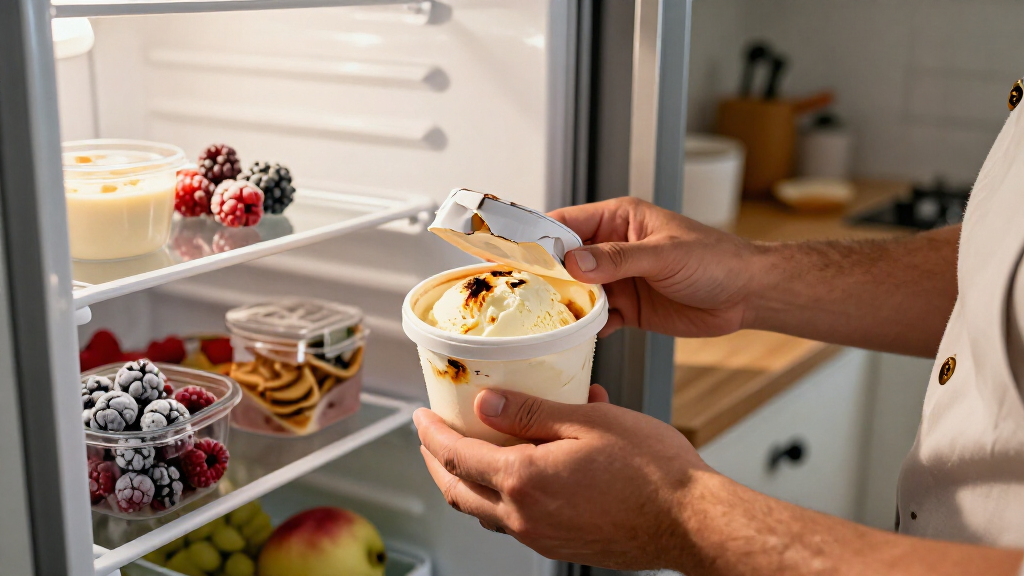
For opened packages that spill or leak, Wilkinson, owner of Dirt Detective Cleaning, recommends discarding them if they are no longer usable. If the food still seems suitable to keep, she suggests cleaning up the spill and transferring it to a freezer-safe, spill-proof container. The report says food showing mold, freezer burn or a passed date can be discarded; unwanted items that remain in date may be donated or composted where appropriate.
Old ice is another cleanout target. Taylor, founder of The Dazzle Cleaning Company, says ice can take on odors from other items in the freezer and recommends starting with fresh ice. The report also suggests washing ice bins, trays and other containers while they are empty.
Wilkinson says to remove expired food and items unlikely to be used. When a date cannot be found, the report points to quality clues such as freezer burn, excessive ice inside the packaging or contents frozen together in a solid mass. It also recommends using suitable leftovers rather than automatically throwing them away, and consolidating small portions when practical.
Nearly empty packages can be consolidated or removed if they are not likely to be used soon, freeing space for food people expect to eat. Finally, Taylor advises discarding unidentified items when there is no reliable way to tell what they are, how long they have been stored or where they came from. The report recounts Wilkinson’s example of mistaking frozen bananas for a tamale before blending them, illustrating the practical risk of unlabeled food.
A Clearer Freezer, Less Guesswork
The recommendations address two everyday problems: freezer clutter and uncertainty about what food is stored there. Leaking packages can make a mess and affect nearby items, while unlabeled or forgotten food is harder to assess and less likely to be used. Removing or consolidating items can also make it easier to see what remains and plan meals around it.
The guide is cleaning advice, not a food-safety ruling. Its visual signs and date checks may help people decide what to inspect, but the supplied report does not establish that freezer burn alone means food is unsafe, nor does it provide storage-time limits for particular foods. Readers should not treat the list as a substitute for official food-safety guidance when they are unsure whether an item is safe to eat.
freezer spill-proof storage containers
As an affiliate, we earn on qualifying purchases.
As an affiliate, we earn on qualifying purchases.
Five Categories in the Guide
The Good Housekeeping report organizes its advice around five categories: messy opened packages, old ice, expired or unused foods, nearly empty containers and mystery items. The list combines cleaning concerns, such as spills and ice-bin hygiene, with practical decluttering decisions about food that is unwanted, hard to identify or taking up space.
For food that is still wanted and appears usable, the report favors cleaning, sealing, consolidating or using it rather than reflexively throwing it away. It suggests combining small portions of vegetables and proteins into soup, for example. Its advice is attributed to Wilkinson and Taylor; no testing, formal safety assessment or additional expert review is described in the supplied material.
“Ice takes on the smells of other items kept in the freezer.”
— Logan Taylor, founder of The Dazzle Cleaning Company
Food Safety Limits Not Specified
The supplied report does not give specific freezer storage periods, define what counts as an expired date for every product, or say that every sign of ice buildup makes food unsafe. It also does not explain how to assess food when its packaging, date or storage history is missing. The recommendations are presented as professional cleaning advice, not as a comprehensive food-safety standard.
The report’s mention of donation and composting does not specify which organizations accept frozen food or what local composting services allow. People considering either option would need to check local rules and recipient requirements. Whether any particular item is safe to keep or eat cannot be determined from the category list alone.
A Practical Cleanout Sequence
The report suggests starting by removing items that are clearly unwanted, past their date or impossible to identify, then checking packages for spills and deciding whether usable food can be sealed in a suitable container. Readers can wash empty ice bins and trays, consolidate small amounts of food and make a plan to use leftovers they still want.
No follow-up study or official guidance is announced in the supplied material. The next step for readers is a case-by-case review of their freezer contents, with food-safety questions checked against reliable public guidance rather than inferred from appearance alone.
Key Questions
What five things does the report say to remove or reorganize?
The list includes messy open packages, old ice, expired or unwanted foods, nearly empty containers and unidentified items. Some items may be cleaned up or consolidated rather than discarded if they are still wanted and suitable to keep.
Does freezer burn automatically mean food is unsafe?
The report names freezer burn as a sign that food may have been stored for a long time, but it does not establish that freezer-burned food is automatically unsafe. It gives no detailed safety assessment or product-specific storage limits.
What should I do with an opened package that is spilling?
Cleaning professional Rochelle Wilkinson says to discard it if it is no longer usable. If the food still seems suitable to keep, she recommends cleaning the mess and moving it to a freezer-safe, spill-proof container.
Why does the guide recommend replacing old ice?
Cleaning professional Logan Taylor says ice can absorb odors from other freezer contents. The report also recommends washing ice bins, trays and storage containers before refilling them.
Can unwanted frozen food be donated or composted?
The report says non-expired items people no longer want may be donated or composted. It does not identify specific programs, so check local composting rules and donation requirements before passing food on.
Source: rss
Fall Picks
fall essentials
As an affiliate, we earn on qualifying purchases.