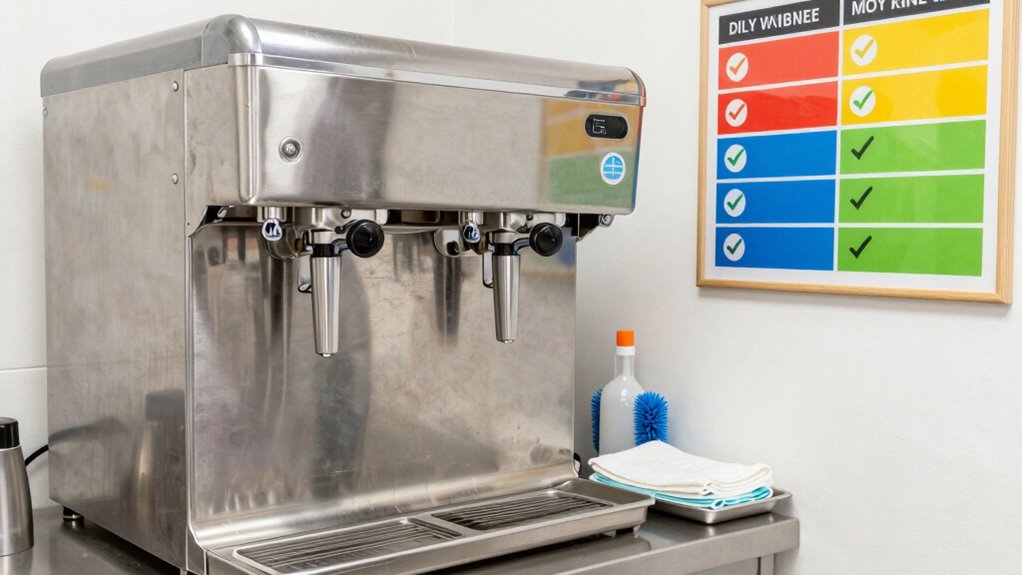

To keep your soft serve machine from turning gross, establish a daily cleaning routine that includes wiping surfaces and sanitizing nozzles, along with a weekly deep clean disassembly of parts and internal cleaning cycles. Regularly removing buildup and residue prevents bacteria and mold while maintaining quality. Ensuring thorough, consistent cleaning not only prolongs your machine’s lifespan but also guarantees safe, delicious ice cream. Stay tuned for more tips to keep your equipment spotless and functioning at its best.
Key Takeaways
- Implement a daily cleaning routine to wipe surfaces and sanitize nozzles after every use.
- Schedule weekly deep cleanings, including disassembly and internal sanitation, to remove buildup and prevent mold.
- Use food-safe sanitizers and brushes designed for delicate parts to ensure thorough sanitation without damage.
- Turn off and unplug the machine before cleaning to ensure safety and proper disassembly.
- Maintain a detailed cleaning schedule and log to ensure consistent, timely maintenance and prevent cross-contamination.
Maintaining a regular cleaning schedule for your soft serve machines is essential to guarantee they operate smoothly and produce high-quality ice cream. When you stay consistent with cleaning, you prevent buildup of bacteria, mold, and other contaminants that can compromise both the machine’s performance and the safety of your product. Proper machine maintenance isn’t just about aesthetics—it ensures your equipment runs efficiently, reduces the risk of breakdowns, and extends its lifespan. To make this process effective, you need to have the right cleaning supplies on hand. Stock up on food-safe sanitizers, brushes, cloths, and cleaning agents specifically designed for soft serve machines. Using the correct cleaning supplies guarantees thorough sanitation without damaging delicate components. Additionally, understanding the filtration systems helps in choosing the appropriate cleaning methods and products.
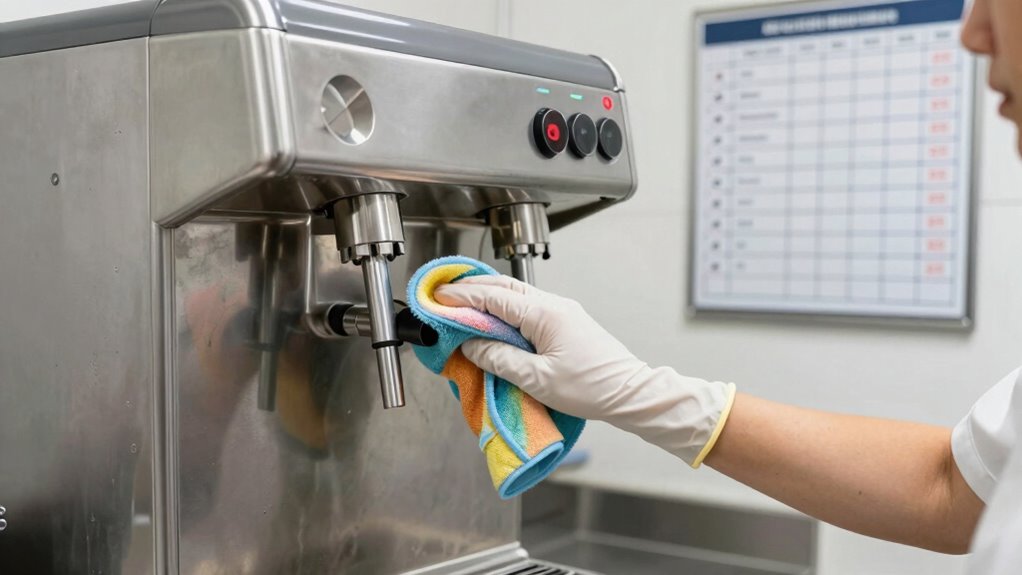
Your cleaning routine should include several key steps. First, turn off the machine and disconnect it from the power source. Remove all removable parts—hopper lids, augers, nozzles, and drip trays—and wash them thoroughly with warm water and appropriate cleaning supplies. Avoid using harsh chemicals that could leave residues or harm the machine’s internal parts. Next, clean the internal components by running a cleaning cycle with a food-safe cleaning solution. This step is critical because it reaches areas you can’t access manually and removes residual product buildup. After the cleaning cycle, rinse everything with clean water to eliminate any soap or cleaning agent traces. Ensuring all parts are properly dried before reassembling prevents moisture from causing mold or corrosion.
You should also develop a daily and weekly cleaning schedule. Daily cleaning involves wiping down external surfaces, sanitizing nozzles, and rinsing the dispensing area, especially if the machine is used frequently. Weekly deep cleans should include disassembling key parts and performing a thorough internal cleaning cycle. Consistently adhering to this schedule keeps your machine in peak condition and minimizes downtime due to malfunctions or sanitation issues.
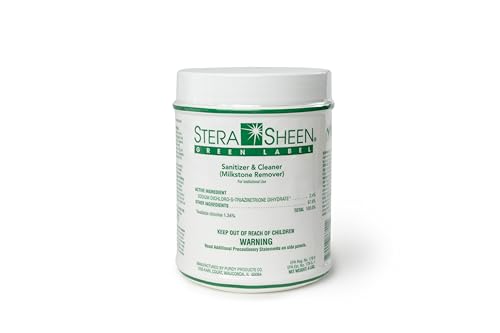
Stera Sheen 4lb Green Label Ice Machine & Ice Maker Cleaner + Sanitizer – Milkstone Remover & Descaler for Scotsman, Soft Serve Equipment, Food-Contact Surface – Restaurant-Grade (1 Pack)
- All-in-One Cleaning Cycle: Cleans, sanitizes, and descales in one step
- Food-Contact Safe: Safe for food surfaces when used as directed
- Non-Corrosive Formula: Protects equipment finishes and breaks down fats
As an affiliate, we earn on qualifying purchases.
As an affiliate, we earn on qualifying purchases.
Frequently Asked Questions
What Cleaning Supplies Are Safest for Soft Serve Machines?
You should use food-grade cleaning agents and sanitizing solutions specifically designed for soft serve machines. Look for products labeled safe for dairy equipment, as they effectively remove residues and bacteria without damaging parts. Always follow manufacturer instructions for dilution and contact time. Avoid harsh chemicals like bleach or abrasive cleaners, as they can harm the machine’s components and compromise the hygiene of your soft serve.
How Do I Troubleshoot Common Soft Serve Machine Clogs?
To troubleshoot common soft serve machine clogs, start by checking for ice buildup or blockages in the dispensing nozzles. Make certain your machine maintenance routine includes cleaning the hopper and freezing chamber regularly. Use troubleshooting tips like removing and inspecting parts for debris or frozen buildup, then thaw or clean as needed. This prevents clogs and keeps your machine running smoothly, ensuring consistent, quality servings.
Can I Use a Dishwasher to Clean Machine Parts?
Think of your soft serve machine parts as delicate treasures needing gentle care. You can use a dishwasher, but only if it’s dishwasher safe—otherwise, you risk damage. Confirm the dishwasher’s cleaning effectiveness matches manual cleaning, as high temperatures or harsh detergents might harm components. Always check manufacturer guidelines first. When in doubt, hand washing with warm, soapy water is your safest bet to keep parts clean and functioning well.
How Often Should the Machine’s Internal Components Be Replaced?
You should replace the machine’s internal components based on the manufacturer’s recommended replacement intervals, typically every 1 to 3 years. Regular use of machine disinfectants helps prolong component life, but don’t ignore signs of wear or damage. Check your soft serve machine’s manual for specific guidelines, and schedule timely replacements to prevent breakdowns and guarantee ideal hygiene. Consistent maintenance keeps your machine running smoothly and safely.
Are There Eco-Friendly Cleaning Options for Soft Serve Machines?
Did you know that over 70% of consumers prefer eco-friendly products? You can meet this demand by choosing biodegradable cleaning solutions for your soft serve machine. These eco-friendly options reduce environmental impact and keep your equipment hygienic. Pair them with reusable cleaning tools for a sustainable routine. Not only will you protect the planet, but you’ll also maintain a fresh, clean machine that customers will trust and enjoy.
Conclusion
Sticking to a regular cleaning schedule isn’t just about keeping your soft serve machines looking good—it’s about safety and quality too. Did you know that without proper cleaning, bacteria can grow in just 24 hours? By staying diligent, you make certain every cone is safe and delicious. Keep your machines spotless, and your customers will keep coming back for that perfect, hygienic treat. Clean today for a sweeter, safer tomorrow!