One common step people skip is routinely checking and recording the temperature of the dipping cabinet. Failing to do this can lead to unnoticed temperature fluctuations, risking food safety and spoilage. Many neglect to calibrate thermometers or ignore alarms that alert you to temperature issues. Regular maintenance, including cleaning coils and making sure vents are clear, is often overlooked but vital in keeping the unit cold. Continue exploring to discover key maintenance tips that guarantee your cabinet stays at the right temperature.
Key Takeaways
- Regularly clean and defrost coils to prevent dust buildup that hampers cooling efficiency.
- Monitor and calibrate temperature sensors to ensure accurate readings and maintain safe temperatures.
- Check and maintain door seals to prevent cold air leaks and temperature fluctuations.
- Schedule routine inspections of fans and compressors to identify and address mechanical issues early.
- Use alarms and digital logs to promptly detect and respond to temperature deviations, avoiding potential spoilage.
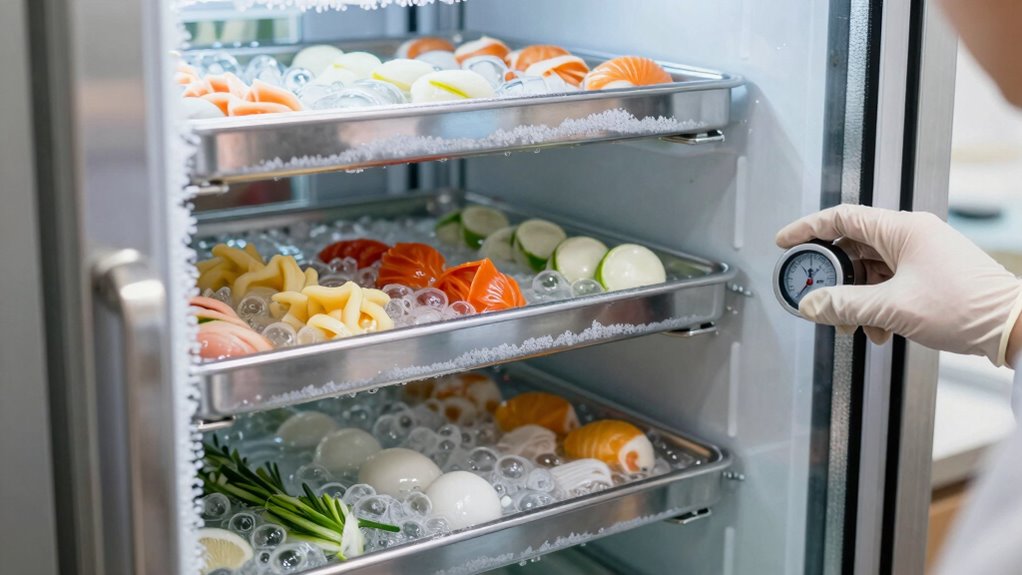
Keeping a dipping cabinet cold is essential to guarantee food safety and maintain product quality. When you’re responsible for food service or storage, ensuring the cabinet stays at the proper temperature isn’t just about convenience; it’s about preventing spoilage and safeguarding your customers’ health. The key to this is optimizing refrigeration efficiency and diligently monitoring temperatures. Many overlook these crucial maintenance steps, but neglecting them can lead to significant issues down the line.
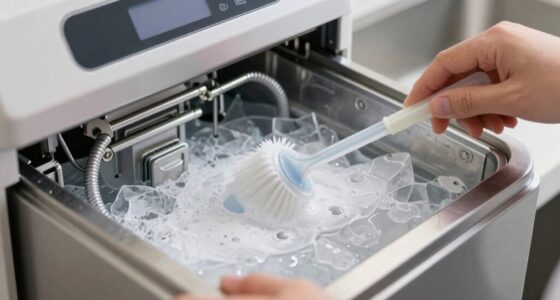
Refrigeration efficiency directly impacts how well your dipping cabinet preserves its contents. If the system isn’t running optimally, it won’t maintain consistent temperatures, which increases the risk of bacteria growth and spoilage. Regularly checking the compressor, fan coils, and condenser ensures the system operates smoothly. Cleaning coils and vents prevents dust and debris from clogging the system and reduces strain on the compressor. When the refrigeration system works efficiently, it consumes less energy, lasts longer, and keeps your products at the right temperature without unnecessary fluctuations.
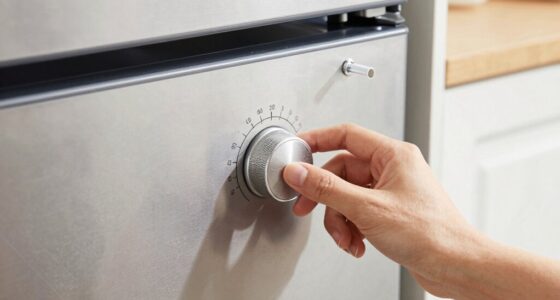
Temperature monitoring is equally vital. You need to establish a routine of checking the cabinet’s internal temperature at least twice a day. Use a calibrated thermometer or a digital data logger to record the temperatures consistently. This practice helps you catch any deviations early before they compromise your products. When temperatures drift above safe levels, you risk bacterial growth, which can lead to foodborne illnesses and potential violations of health regulations. Conversely, if temperatures are too low, you might waste energy and affect the quality of delicate items.
Check internal temperatures twice daily to prevent spoilage and ensure food safety.
Maintaining a proper temperature range isn’t just about measuring once and forgetting it. You should set alarms or alerts on digital monitoring devices to notify you immediately if the temperature goes outside the safe zone. This way, you can act quickly—whether that means adjusting settings, inspecting the refrigeration system, or calling for repairs. Regular temperature checks also help you identify patterns or recurring issues, allowing for preventative maintenance that keeps the cabinet running efficiently over time.
In addition to monitoring, documenting temperature readings and maintenance activities creates a reliable record for inspections and audits. This documentation shows you’re proactively managing the equipment and adhering to food safety standards. Additionally, understanding and applying connected equipment technology can streamline your temperature management process through automated alerts and real-time data tracking. Ultimately, ensuring refrigeration efficiency and precise temperature monitoring aren’t just routine tasks—they’re critical practices that protect your business, your reputation, and most importantly, your customers. By staying vigilant and attentive to these details, you can keep your dipping cabinet consistently cold and your food safe.
Frequently Asked Questions
How Often Should I Defrost My Dipping Cabinet?
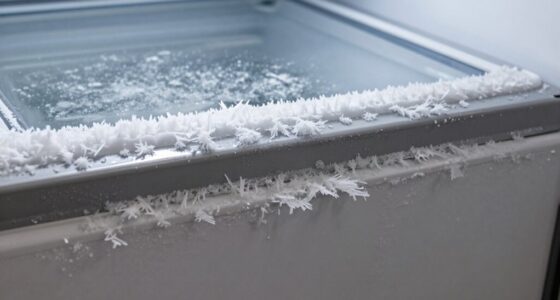
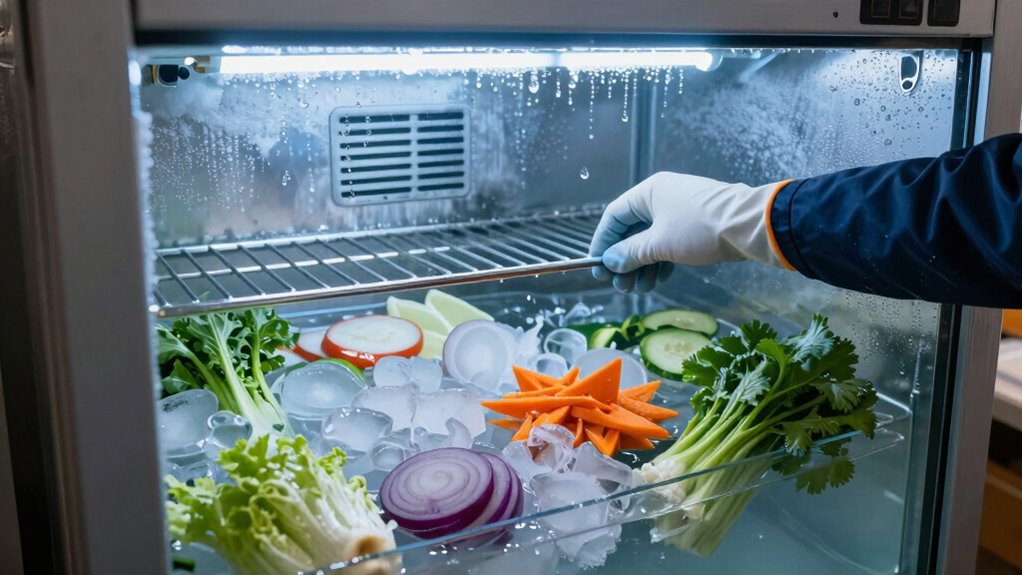
You should defrost your dipping cabinet at least once every 3 to 6 months, depending on how often it’s used. Regular defrosting keeps it running efficiently and prevents ice buildup. Follow your cleaning schedules and storage tips to maintain ideal performance. When defrosting, unplug the unit, remove all items, and let the ice melt naturally or use gentle heat. Proper maintenance ensures your cabinet stays cold and functional.
What’s the Best Way to Clean the Cooling Coils?
You should clean your cooling coils regularly to guarantee ideal coil maintenance. Turn off the dipping cabinet and carefully remove dust and debris using a soft brush or vacuum. For thorough coil cleaning, use a coil cleaner spray designed for refrigeration systems and gently rinse with water. This prevents buildup, improves efficiency, and extends your equipment’s lifespan. Regular coil cleaning makes maintenance easier and keeps your cabinet running smoothly.
How Can I Prevent Ice Buildup Inside the Cabinet?
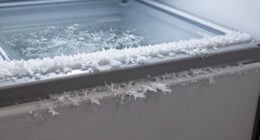
To prevent ice buildup inside your cabinet, focus on insulation upgrades and humidity control. Make sure your cabinet is well-insulated to maintain consistent temperatures, reducing condensation that causes ice. Use dehumidifiers or humidity control devices to keep moisture levels low, preventing excess condensation. Regularly check seals and gaskets, and avoid opening the cabinet too frequently. Proper insulation and humidity management keep your cabinet ice-free and running efficiently.
What Temperature Should My Dipping Cabinet Be Maintained At?
Think of your dipping cabinet as a treasure chest that needs to stay just right. Keep it at 36-38°F, like a cozy winter day. Regular temperature calibration guarantees accuracy, while checking insulation integrity prevents warm air from sneaking in. If you maintain this ideal range, you’ll keep your seafood fresh and safe, avoiding spoilage. Remember, consistency is key to preserving quality and avoiding costly mistakes.
Are There Energy-Efficient Tips for Maintaining Cold Temperatures?
To save energy while maintaining cold temperatures, you should adopt energy-saving practices like keeping the cabinet well-insulated and minimizing door openings. Consider insulation enhancements such as adding door gaskets or insulating panels to reduce heat transfer. Regularly defrost and clean your cabinet to improve efficiency. These steps help retain cold, lower energy consumption, and extend the lifespan of your equipment, making your operation more sustainable and cost-effective.
Conclusion
Maintaining your dipping cabinet’s temperature is simple but often overlooked—yet vital for food safety. Did you know that improper maintenance can increase spoilage risk by up to 30%? By regularly checking and cleaning your cabinet, you guarantee it stays cold enough to keep your products fresh and safe. Don’t skip this step; it’s easy to do and makes a big difference. Keep it maintained, and you’ll serve safe, delicious food every time.