
TL;DR

Get baking supplies delivered free with Prime
- Fast, free delivery on millions of items
- Prime Video, Amazon Music and more included
- Member-only deals all year
A veterinarian and dog trainer say neighborhood trick-or-treating is too stressful for many dogs because of costumes, noise, decorations and frequent visitors. Most dogs are better off at home; owners who take a calm, confident dog should test its comfort ahead of time and use basic safety precautions.
A veterinarian and dog trainer say most dogs are better left home during neighborhood trick-or-treating, where unfamiliar costumes, loud sounds, flashing decorations and repeated visitors can cause stress or fright. In a Good Housekeeping report, veterinarian Dr. Jolee Stegemoller advises owners to judge their dog’s response to new situations and take extra steps to prevent escapes, injuries and exposure to candy.
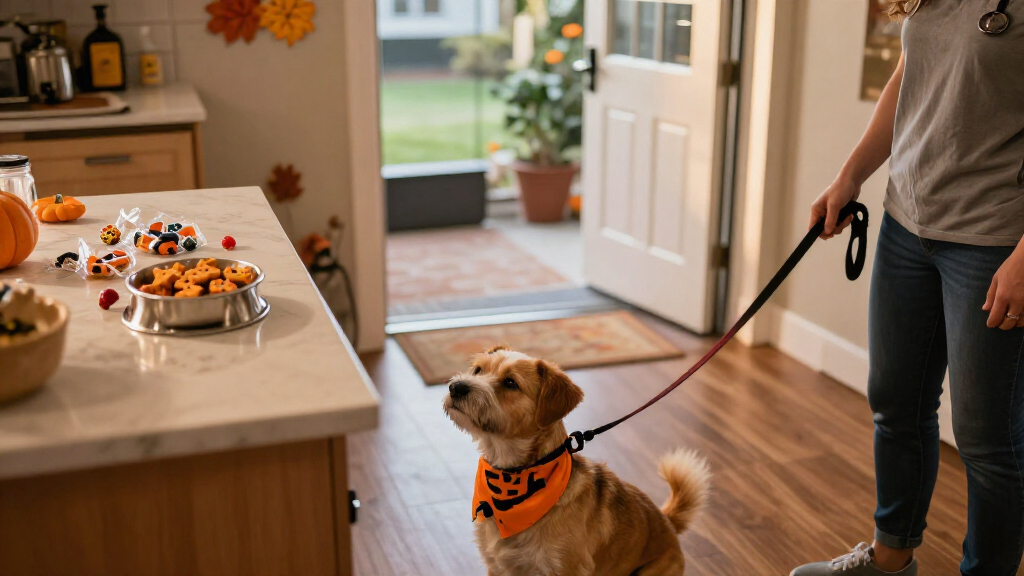
Stegemoller said Halloween can be overstimulating for dogs, in part because many unfamiliar people arrive at homes dressed in ways dogs may not recognize. Dogs that react to doorbells or strangers may be safer in a separate room, away from the front door, while their owners hand out treats. The report recommends using a crate or a barrier gate, depending on the dog’s needs, and keeping background noise on for fearful pets.
The trainer writing the report recommends leaving most dogs at home when families go trick-or-treating. Owners considering taking a dog should first observe its reaction to decorations and other unfamiliar sights in lower-pressure settings. Walks near inflatables or moving displays, or visits to a dog-friendly hardware store’s outdoor Halloween section, can help show whether the dog is comfortable. Barking, lunging or pulling away are signs the outing may be too much.
For dogs that do go out, the report advises walking on sidewalks and using a light-up harness so the dog is easier for drivers and pedestrians to see. Owners should check that collar tags are current and update microchip contact information. Halloween candy should be stored where pets cannot reach it: the report warns that eating it can cause gastrointestinal upset and may be toxic if enough is consumed. Any costume should allow free movement and must not pose a risk of catching or strangling the dog; introducing it before Halloween can help avoid adding stress on the night.
Reducing Stress and Escape Risks
The advice addresses more than whether a dog enjoys a holiday outing. Repeated door openings, crowds and startling decorations can make a frightened dog bolt, creating a risk of getting lost or hurt. Keeping a dog away from the entrance and checking identification details are practical precautions for households expecting trick-or-treaters.
The recommendations also help owners distinguish a dog’s general friendliness from comfort in a noisy, unfamiliar setting. A dog that is calm at home may still be unsettled by costumes, lights or moving props. Testing reactions beforehand can help owners decide whether a walk is suitable, rather than discovering the dog’s limits amid Halloween-night crowds.
Products Worth Considering

Le Creuset Signature 6.5-Quart Deep Round Dutch Oven with Light Gold Crucible Knob, Enameled Cast Iron, Bleu Riviera

Cuisinart CPZ-120 Indoor Pizza Oven, Stainless Steel

Ninja CREAMi 7-in-1 Ice Cream Maker, NC301
As an affiliate, we earn on qualifying purchases.
Choosing a Dog-Friendly Halloween
The report frames neighborhood trick-or-treating as a poor fit for many pets, while noting that some calm, social and confident dogs may enjoy Halloween events. It does not suggest that every dog will react the same way; the advice is to assess each animal’s behavior and comfort.
For owners who want to include their dogs, the report points to alternatives such as dog-friendly pumpkin patches, corn mazes and fall markets. Pet supply stores may also hold costume contests or dog-specific trick-or-treat events, which can offer a more controlled way to celebrate. The trainer also suggests offering dog-specific treats to canine visitors rather than sharing people’s Halloween candy.
Each Dog Responds Differently
The report does not establish how any individual dog will respond to Halloween, and it provides no test that guarantees a pet will remain comfortable in a busy neighborhood. A calm response during a daytime practice walk may not predict how the dog will react to more visitors, noise and activity on Halloween night. Owners must judge their own dog’s behavior, and the report does not provide specific veterinary treatment guidance for a dog that eats candy or becomes distressed.
Plan Before Halloween Night
Owners can use the days before Halloween to observe their dog around decorations, try any intended costume and check that its collar tags and microchip details are current. If the dog shows signs of fear, the report’s recommendation is to leave it home for neighborhood trick-or-treating and arrange a quiet, secure space away from the door.
Families who still want to include a dog can look for a dog-focused local event and use a leash, visible gear and a well-fitting costume. The report does not identify particular events or give a schedule; owners will need to check local pet businesses and venues for offerings.
Key Questions
Should I take my dog trick-or-treating?
The report’s general advice is to leave most dogs at home. A calm, confident dog may be suited to an outing, but owners should first assess how it responds to unfamiliar sights and sounds.
How can I tell if Halloween will be too stressful for my dog?
Observe your dog around decorations and other unfamiliar situations before Halloween. Barking, lunging or pulling away are signs of fear or distress and suggest a neighborhood outing may be overwhelming.
How can I keep my dog safe while handing out candy?
Keep the dog away from the front door, using a separate room, crate or barrier gate suited to its needs. Make sure it cannot reach Halloween candy, which can cause illness and may be toxic if enough is eaten.
What precautions should I take if my dog goes out?
Stick to sidewalks, use a light-up harness, and check that collar identification and microchip contact details are current. Any costume should allow free movement and not create a catching or strangling hazard.
What are safer Halloween activities for dogs?
The report suggests considering dog-friendly pumpkin patches, corn mazes, fall markets or pet-store events. These offer ways to include a dog without taking it through neighborhood trick-or-treating.
Source: goodhousekeeping.com