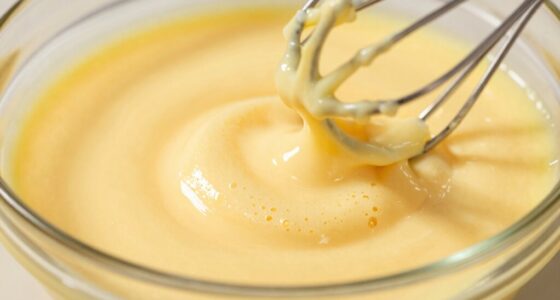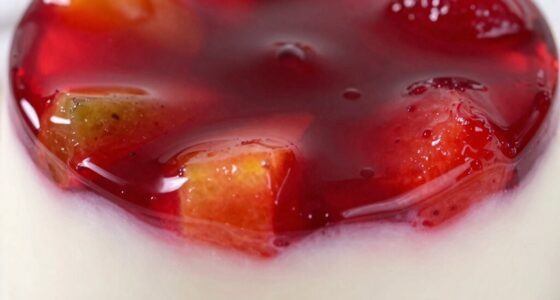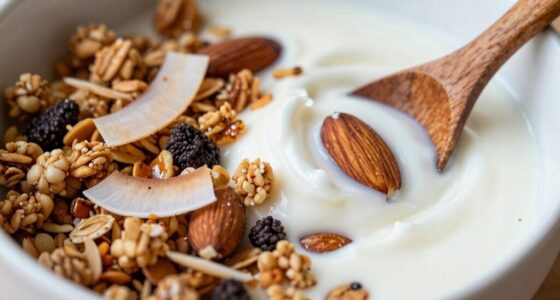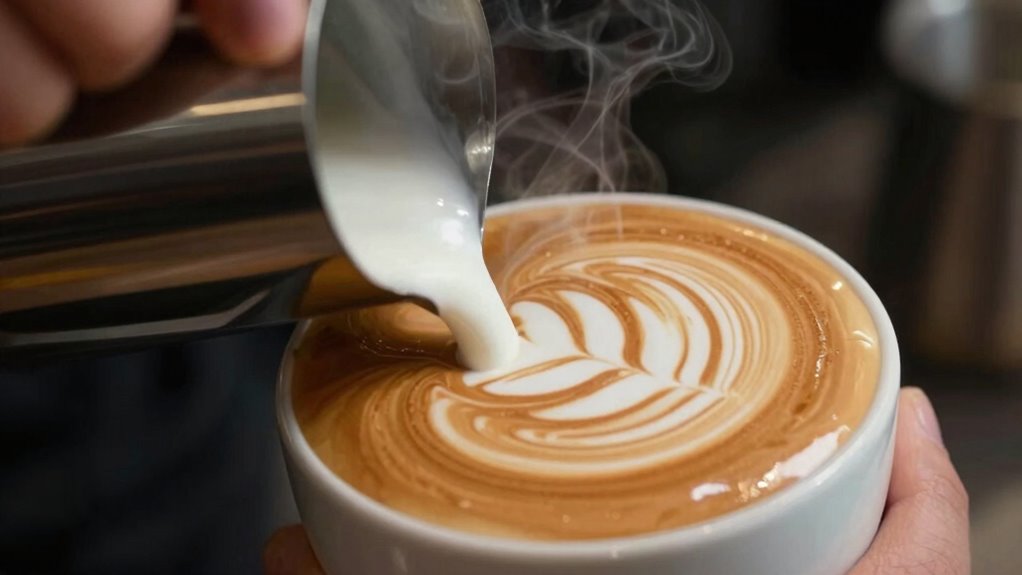
The secret to better swirls isn’t just about how thick your mixture is; it’s about controlling its temperature. When your mixture is too cold, it becomes stiff and hard to manipulate, while too warm makes it runny and difficult to shape. By maintaining the right temperature, you’ll find your mixture flows smoothly, giving you more control for clean, defined designs. Keep experimenting with temperature, and you’ll discover how it transforms your swirl success. Stay tuned to learn more!
Key Takeaways
- Proper temperature ensures mixtures flow smoothly, enabling cleaner and more defined swirl designs.
- Cold mixtures become stiff and difficult to manipulate, hindering swirl quality.
- Warm mixtures may be too runny, causing loss of swirl shape and precision.
- Controlling tool and ingredient temperature improves flowability and overall swirl control.
- Achieving the right temperature balances viscosity for optimal, professional-looking swirls.

Mastering the art of creating perfect swirls can substantially enhance the presentation and flavor of your desserts and beverages. The secret to achieving those smooth, elegant patterns isn’t just about thickening your mixtures; it’s about understanding the role of temperature. Many people assume that thicker substances automatically produce better swirls, but in reality, temperature plays a more crucial role. When your ingredients are at the right temperature, they flow more easily, allowing you to create cleaner, more defined designs that elevate both appearance and taste.
Perfect swirls depend on temperature, not just thickness—flowibility enhances both beauty and flavor in desserts and drinks.
If your mixture is too cold, it tends to be stiff and difficult to manipulate, making it hard to achieve the desired swirl. Conversely, if it’s too warm, it may be too runny, causing the swirl to lose definition and blend into the surrounding mixture. Finding that perfect temperature means your ingredients are fluid enough to work with but still hold their shape once swirled. This balance is key to mastering presentation techniques that make your desserts look professional and inviting. When you focus on temperature, you give yourself better control over the flow, ensuring that each swirl is intentional and precise.
But temperature isn’t just about the mechanics; it also influences flavor pairing. For example, a warm caramel sauce can blend seamlessly into a creamy ice cream, creating a harmonious flavor profile, while a chilled sauce might stand apart and disrupt the overall harmony. When you manipulate temperature wisely, you improve not just the visual appeal but also the taste experience. Flavors meld more naturally, and the contrasting temperatures can add to the overall sensory delight. As you experiment with different ingredients, keep in mind that the right temperature can bring out the best in your flavor combinations, making each swirl a work of art that’s as delicious as it is beautiful.
Additionally, understanding the importance of ingredient temperature helps you avoid common pitfalls like seizing or curdling your mixtures, ensuring a smooth, consistent result every time. Properly managing temperature control can also extend the working time of your mixtures, giving you more flexibility in your creative process. Recognizing how temperature affects viscosity allows you to determine the ideal consistency for different types of mixtures and tools. Being aware of temperature’s impact on flow can help you fine-tune your technique for optimal results. Moreover, paying attention to temperature stability during preparation ensures that your mixtures remain uniform and manageable throughout your creative process. In your pursuit of perfect swirls, pay attention to your tools as well. Using a spoon, piping bag, or toothpick at the right temperature can make a significant difference. Cold tools can cause your mixture to seize or not flow smoothly, while warmed tools help maintain the desired consistency. By controlling temperature and applying thoughtful presentation techniques, you’ll find that achieving stunning, flavorful swirls becomes second nature. Remember, it’s not just about how thick your mixture is, but how well it flows — and temperature is the secret behind that flow.
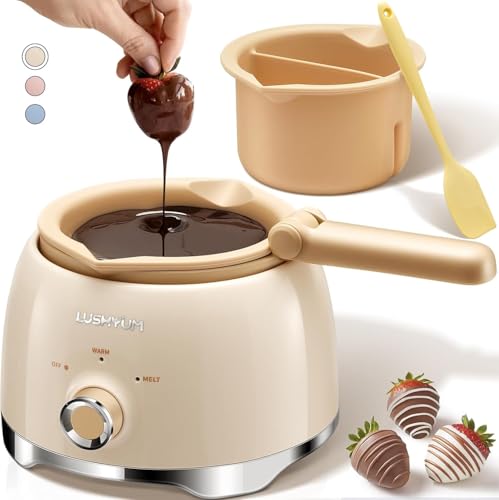
LUSHYUM Chocolate Melting Pot Candy Melts Melter with 2 Insert Pots and Spatula, 4 Cups Capacity Warmer Machine, Ideal Dipping Tool Kitchen Supplies for Making Cake Pop Covered Strawberries Fondue
Keep Your Chocolate Always Smooth: Tired of clumpy chocolate? LUSHYUM Chocolate Melting Pot makes it easy to keep…
As an affiliate, we earn on qualifying purchases.
As an affiliate, we earn on qualifying purchases.
Frequently Asked Questions
How Does Temperature Specifically Affect Swirl Formation?
Temperature directly impacts swirl formation by influencing the viscosity and flow of your mixture. When you maintain temperature consistency, it guarantees smooth, predictable swirl dynamics, allowing for cleaner, more defined patterns. If the temperature varies, it disrupts the flow, causing uneven or shaky swirls. By controlling temperature, you optimize swirl dynamics, leading to more precise, aesthetically pleasing results every time.
Can Different Types of Liquids React Differently to Temperature Changes?
Yes, different liquids react uniquely to temperature changes, influencing swirl formation. For example, liquids with high viscosity impact, like honey, become much thicker when cold, reducing their ability to swirl smoothly and creating less vibrant color contrast. Conversely, thinner liquids, like water, respond more readily to temperature shifts, allowing for more dynamic and vivid swirls. Understanding these reactions helps you control the viscosity impact and achieve better color contrast in your designs.
What Tools Are Best for Controlling Temperature During Swirling?
You should use tools that offer precise control over temperature and allow you to see color contrast clearly. A digital thermometer or heat gun helps you monitor and adjust temperature accurately, ensuring consistent swirl results. Fine-tipped tools like pipettes or small brushes give you tool precision for detailed work, while maintaining ideal temperature enhances color contrast, making your swirls more vibrant and visually appealing.
Is There an Ideal Temperature Range for Perfect Swirls?
For perfect swirls, aim for a temperature between 45-50°F. This range helps you achieve flavor enhancement and sharp visual contrast, making your swirls more appealing. If the mixture is too cold, it becomes stiff and difficult to swirl smoothly; too warm, and the design blurs. Keep the temperature consistent with your tools, and you’ll enjoy vibrant, well-defined swirls every time.
How Quickly Should the Temperature Be Adjusted for Optimal Results?
You should adjust the temperature gradually, over a few seconds, to maintain color harmony and achieve smooth, artistic techniques. Rapid changes can disrupt the flow and cause uneven swirls. By slowly tweaking the temperature, you give yourself better control over the consistency and movement, which enhances your ability to create beautiful, balanced designs. Patience with temperature adjustments guarantees your swirls stay vibrant and harmonious, elevating your overall artistic expression.
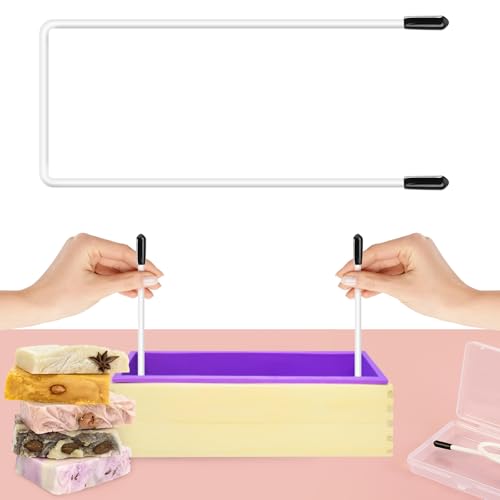
UNIFAMILY Flexible Soap Swirl Tools, 25.6" Bendable Hanger Swirl Wire for Cold Process Soap, Hanger Swirl Tool for Soap Making Molds Up to 18" DIY Soap Making Supplies (1pcs Soap Swirl Tool)
Essential Soap Making Supplies: Soap swirl tools are convenient for your DIY creativity; designed to be easy to…
As an affiliate, we earn on qualifying purchases.
As an affiliate, we earn on qualifying purchases.
Conclusion
So, remember, the secret to those perfect swirls isn’t about thickness but temperature. When you keep your tools and ingredients just right, you’ll find it’s smooth sailing to beautiful, intricate designs. Don’t be afraid to experiment with different temps until you strike gold. After all, patience and a little heat can turn a messy swirl into a work of art. Keep trying, and soon you’ll be the master of mesmerizing patterns every time.

CDN ProAccurate® Instant Read Beverage Frothing Thermometer with Clip for Precise Temperature Measurement, 5" Stainless Steel Stem, Black Case (IRT220-F)
1-inch /2.5 cm magnified dial
As an affiliate, we earn on qualifying purchases.
As an affiliate, we earn on qualifying purchases.
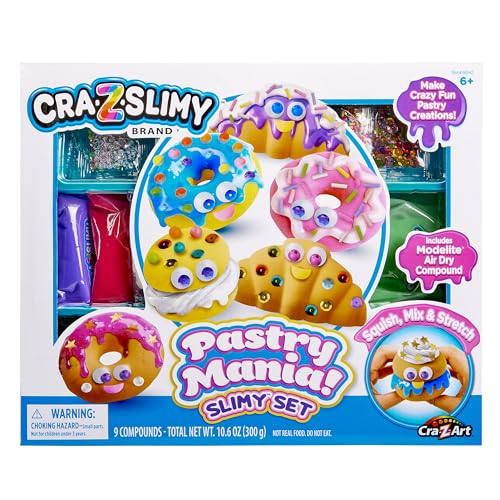
CRA-Z-Slimy Dessert Slime Kit for Girls, DIY Pastry Slime Set with Molds, Confetti, Sprinkles & Air-Dry Compound
DESSERT SLIME KIT: Create donuts, croissants, macarons, and more using scented slime, pastry molds, and soft Modelite compound…
As an affiliate, we earn on qualifying purchases.
As an affiliate, we earn on qualifying purchases.