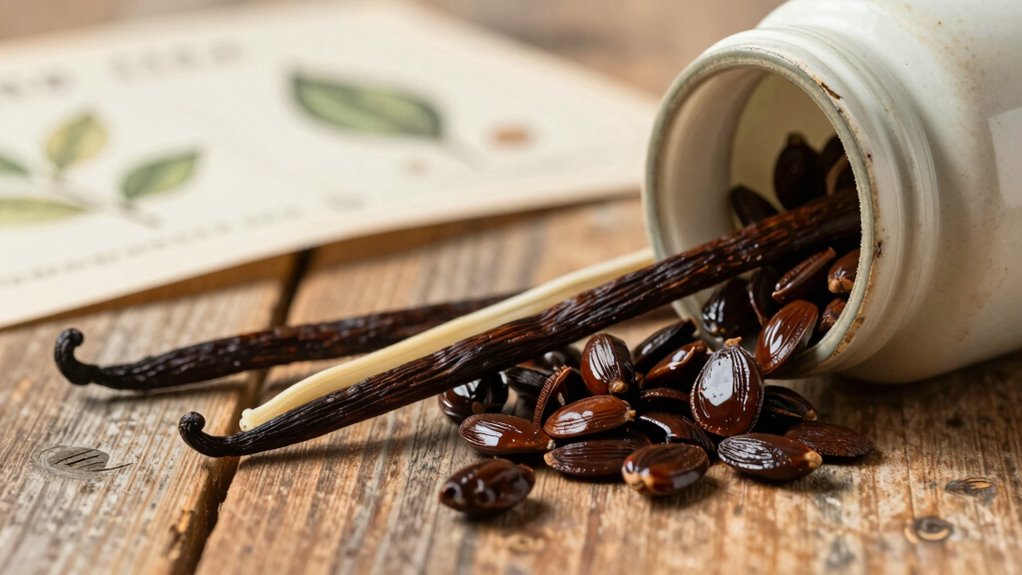

Vanilla became the default flavor because of its deep historical roots, cultural significance, and versatility that appeals worldwide. Its soothing aroma, positive associations, and ability to blend seamlessly with other ingredients made it a favorite across food, drinks, and fragrances. Despite cultivation challenges, its luxurious reputation and emotional connections helped it dominate markets. If you want to understand how vanilla’s rich history and market forces kept it at the top, there’s more to explore below.
Key Takeaways
- Vanilla’s rich cultural history and association with purity and comfort have established it as the standard flavor globally.
- Its versatility allows seamless blending with other ingredients, reinforcing its role as the default flavor.
- Effective marketing and sensory branding emphasized vanilla’s warm aroma, creating emotional and nostalgic connections.
- Vanilla’s status as a luxury ingredient and its widespread availability contributed to its dominance as the default choice.
- Historical popularity and consumer perceptions of vanilla as a symbol of tradition and simplicity solidified its position as the go-to flavor.

Nielsen-Massey Pure Vanilla Bean Paste for Baking and Cooking, 4 Ounce Jar
- Product Type: Vanilla Bean Paste for Baking and Cooking
- Consistency: Thicker, easy-mixing texture
- Visual Appeal: Real vanilla bean flecks
As an affiliate, we earn on qualifying purchases.
As an affiliate, we earn on qualifying purchases.
What Is the History Behind Vanilla’s Popularity?
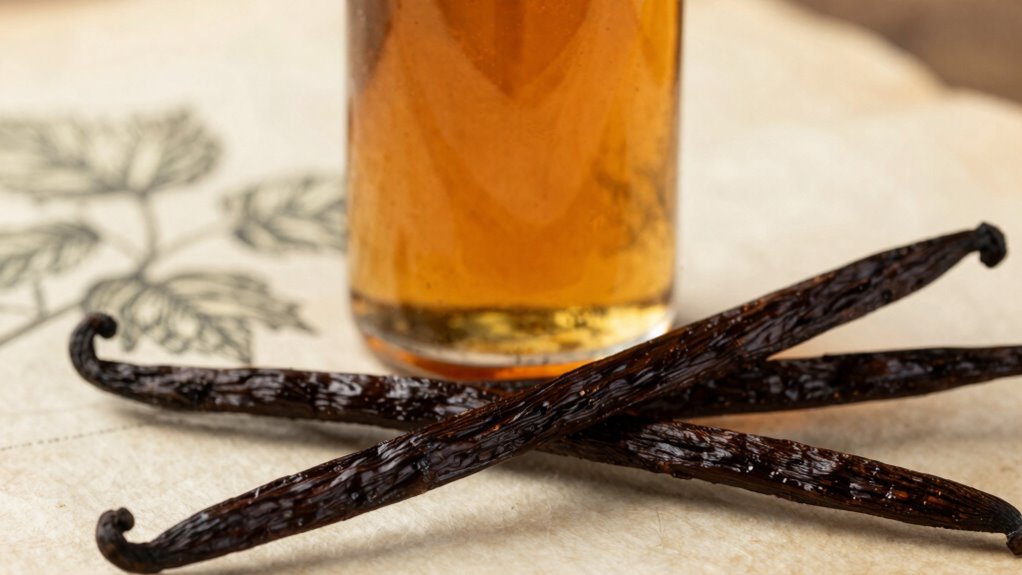
Vanilla’s rise to popularity dates back centuries when indigenous peoples in Central America and Mexico first cultivated the orchid that produces its beans. The vanilla bean, known for its rich aroma and complex flavor, became highly valued in their cultures. Its flavor history reveals that vanilla was used in sacred rituals, medicinal practices, and as a luxury item for elites. When Spanish explorers encountered vanilla in the 16th century, they brought it back to Europe, where it quickly gained favor among aristocrats. Over time, vanilla’s unique aroma and versatile flavor helped it become a staple in desserts, perfumes, and confections worldwide. Additionally, the development of cultivation techniques in the 19th century significantly increased vanilla production and accessibility. These innovations included curing and pollination methods that improved yield and quality, making vanilla more widely available. The cost of vanilla was reduced as cultivation methods improved, further boosting its popularity and presence in everyday products. Advances in agricultural practices also contributed to more consistent quality and supply, solidifying vanilla’s status as a beloved flavor. This historical significance explains why vanilla remains one of the most beloved and recognizable flavors today.
Why Is Vanilla So Difficult to Cultivate? The Science and Challenges
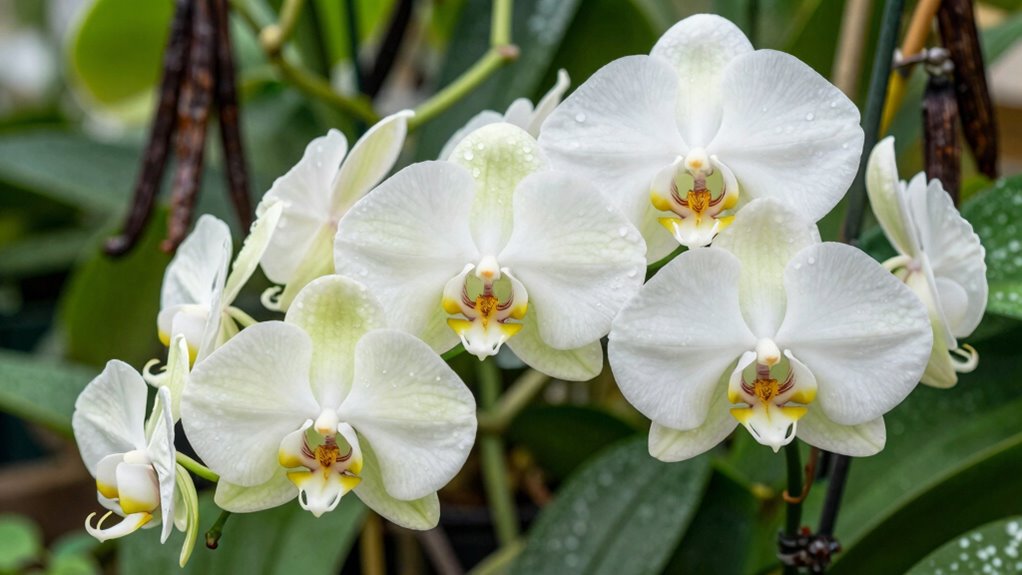
Growing vanilla isn’t easy because producing enough vanillin naturally is complex and time-consuming. You also need specific climate and soil conditions, which makes cultivation even more challenging. These scientific and environmental hurdles explain why vanilla remains one of the most difficult crops to grow successfully. Additionally, sustainable cultivation methods are essential to protect the European cloud innovation and ensure environmentally friendly practices. Proper air purifier maintenance and regular filter replacements are crucial for maintaining optimal air quality, which can be impacted by the environmental challenges faced in vanilla cultivation. Moreover, understanding the climate requirements is vital for successful vanilla farming, as even slight variations can significantly affect yield and quality. The soil quality also plays a critical role in supporting healthy vanilla plants, making site selection an important step in cultivation.
Vanillin Production Difficulties
Producing vanillin, the primary compound responsible for vanilla’s distinctive aroma, proves to be a complex and challenging process. Vanillin synthesis in natural vanilla beans is slow and unpredictable, making large-scale extraction difficult. This complexity affects flavor stability, as synthetic methods often struggle to replicate the nuanced aroma found in natural vanilla. Achieving a consistent, high-quality product requires precise control over the synthesis process, which can be costly and technically demanding. Additionally, natural vanilla contains hundreds of trace compounds that contribute to its rich flavor profile, complicating efforts to mimic it artificially. The flavor stability of vanilla is affected by these factors, as maintaining its complex aroma over time presents ongoing challenges. Moreover, the natural materials used in traditional vanilla cultivation require specific environmental conditions that are difficult to replicate elsewhere. As a result, the difficulty in producing stable, authentic vanillin fuels reliance on synthetic alternatives, further influencing vanilla’s status as the default flavor choice.
Climate and Soil Needs
Because vanilla plants are highly sensitive to their environment, cultivating them requires carefully controlled climate and soil conditions. They thrive only in warm, humid climates with temperatures between 20-30°C and high rainfall. Soil compatibility is essential; vanilla prefers well-drained, loamy soils rich in organic matter. Poor soil or irregular watering hampers growth and flavor development. To highlight this dependency, consider the following:
| Climate Requirements | Soil Compatibility |
|---|---|
| High humidity and consistent warmth | Well-drained, fertile loam |
| Temperature stability | Organic-rich, moist soil |
| Avoid frost and extreme cold | Proper drainage prevents root rot |
| Year-round sunlight preferred | pH between 6-7 ideal |
Understanding these needs shows why vanilla’s cultivation is so challenging, limiting its global spread.
How Did Vanilla Become the Most Valuable Spice? The Economics Explained
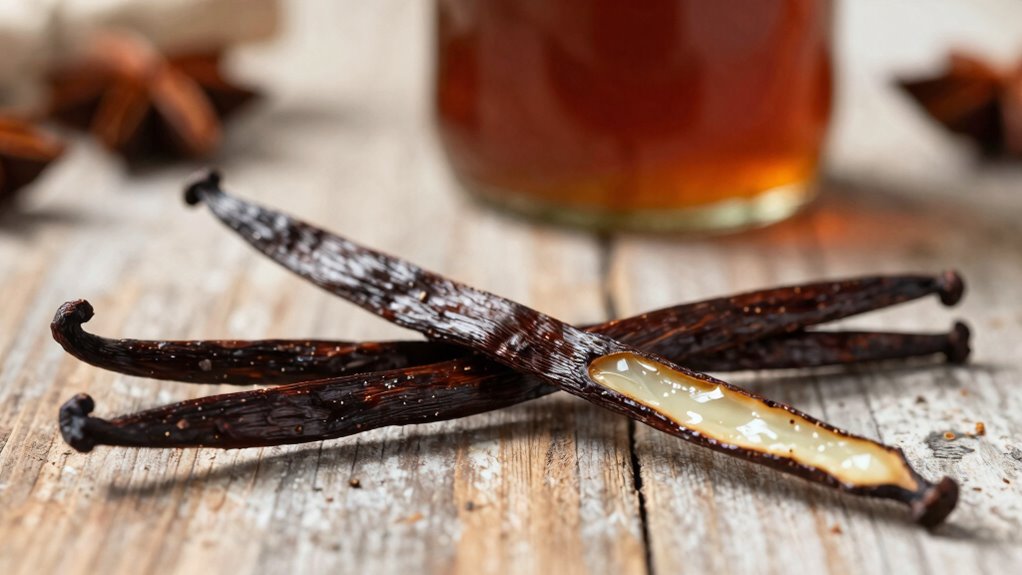
Vanilla’s high value comes from a combination of its cultivation challenges and strong market demand. Because it’s difficult to grow and harvest, supply remains limited, driving up prices. Additionally, the precision and automation involved in modern cultivation techniques help optimize yields and quality, but the inherent complexities still keep supply constrained. The supply chain for vanilla is also vulnerable to disruptions, which can further tighten availability. Innovations in agricultural technology are beginning to improve consistency and output, although adoption varies across regions. The market demand for vanilla remains robust, supporting its status as the most valuable spice. Furthermore, the global trade dynamics significantly influence vanilla prices, especially in regions heavily dependent on vanilla exports. Understanding how these factors influence the economics helps explain why vanilla is the most valuable spice.
Vanilla’s Cultivation Challenges
The journey to cultivate high-quality vanilla is fraught with numerous challenges that considerably impact its supply chain. One major obstacle is pollination challenges, as vanilla orchids rely on specific pollinators, like the Melipona bee in their native regions. Without natural pollination, farmers must manually pollinate each flower, a labor-intensive and delicate process. Pest management also poses significant issues; pests like mites and fungi threaten vanilla plants, requiring vigilant monitoring and treatment. These hurdles increase production costs and can cause inconsistent yields. Additionally, vanilla’s sensitivity to environmental conditions means that even slight changes in temperature or humidity can affect flavor quality and harvest timing. Free Floating can also lead to unpredictable growing conditions, further complicating cultivation. Together, these factors make vanilla cultivation a complex, expensive endeavor, contributing to its scarcity and high value.
Market Demand Dynamics
Have you ever wondered why vanilla commands such high prices among spices? The answer lies in market demand dynamics driven by its unique flavor profile and versatility. Vanilla’s popularity fuels constant flavor innovation, keeping it at the forefront of culinary trends. However, vanilla sustainability issues, such as limited cultivation regions and labor-intensive harvesting, restrict supply. This imbalance between demand and supply causes prices to soar, making vanilla the most valuable spice. Consumers’ preference for its rich aroma and ability to enhance a wide range of products ensures ongoing demand. As new vanilla varieties and alternative flavoring methods emerge, the market adapts, but vanilla’s iconic status remains rooted in its unmatched flavor and the economic factors influencing its supply and demand. Understanding the EnergyLast lifecycle and performance metrics of vanilla cultivation can also shed light on its market dynamics. Additionally, the market demand for vanilla influences not only prices but also the development of sustainable cultivation practices to meet consumer needs. The global cultivation challenges further amplify its rarity and exclusivity in the spice market, highlighting the importance of supply chain management in maintaining its market value. Moreover, the cultivation complexity of vanilla contributes to its high production costs, reinforcing its premium status in the market.
How Has Marketing Made Vanilla the Default Flavor in Food and Fragrance?
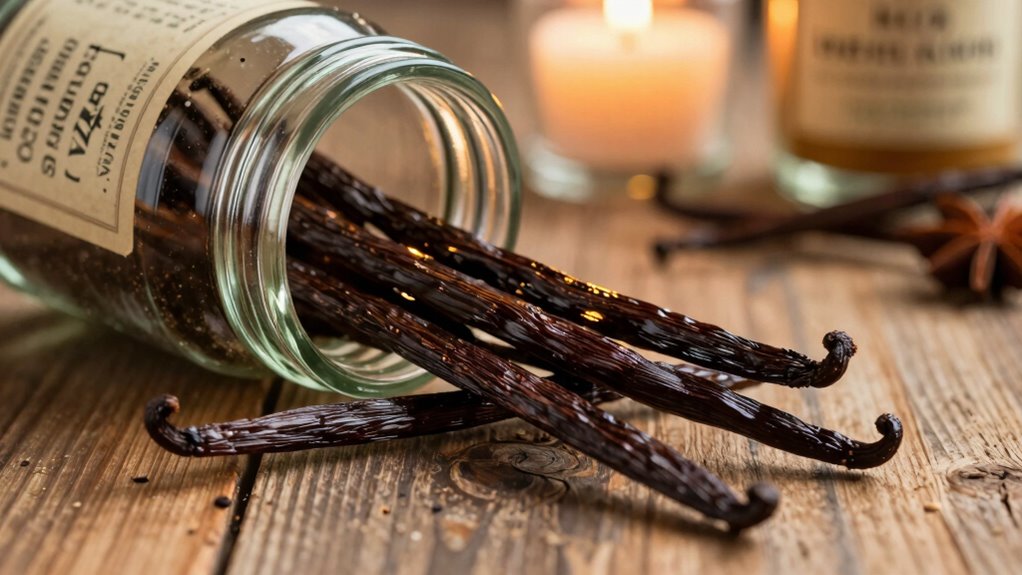
Marketing has played a pivotal role in establishing vanilla as the default flavor in food and fragrances by consistently positioning it as the standard and most appealing choice. Through strong branding influence, companies have linked vanilla with qualities like purity, comfort, and luxury, making it a go-to option. Scent marketing also contributed by emphasizing vanilla’s warm, inviting aroma in stores and advertisements, creating an emotional connection that encourages consumers to choose vanilla products. This strategic placement reinforces vanilla’s familiarity and desirability, making it feel like the natural, effortless choice. Additionally, the content exploration of vanilla’s versatility has helped solidify its place as the go-to flavor across many industries. The widespread use of vanilla in both food and scent branding demonstrates how consumer perceptions have been shaped by these marketing strategies over time. Over time, these marketing techniques have cemented vanilla’s status as the default flavor, shaping consumer perceptions and preferences without needing constant justification. The cultural association of vanilla with quality and appeal has been reinforced through decades of consistent branding efforts, making it almost synonymous with a universally appealing flavor.
Why Does Vanilla Still Dominate Today? Its Cultural and Consumer Appeal
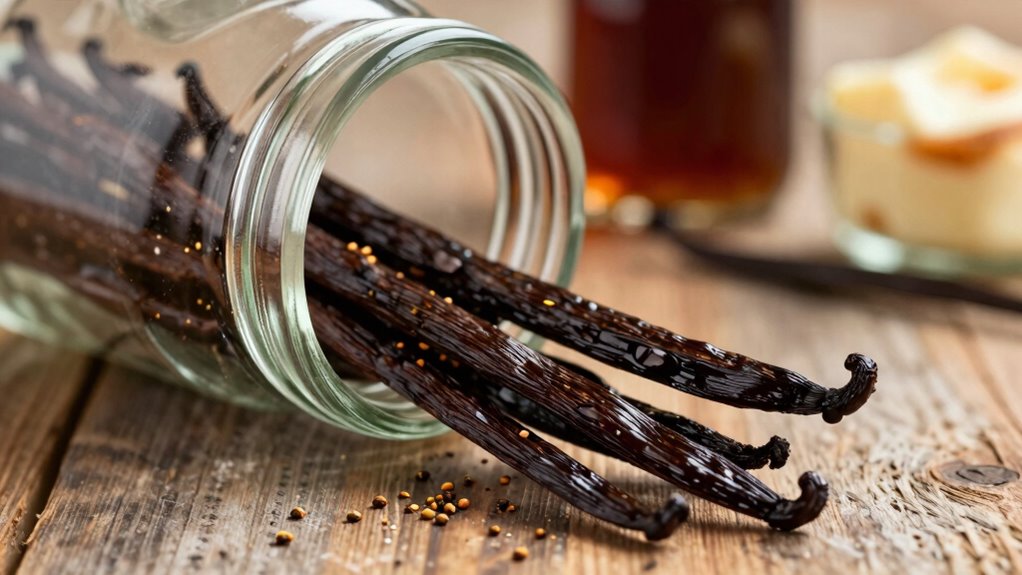
Vanilla continues to dominate today because of its deep-rooted cultural and consumer appeal that resonates across generations. Its cultural symbolism evokes comfort, purity, and timelessness, making it a familiar choice. Consumer nostalgia plays a significant role, reminding you of childhood treats and family traditions. This emotional connection keeps vanilla at the forefront of your preferences. Its versatility allows it to blend seamlessly with other flavors, reinforcing its status. Additionally, vanilla’s association with luxury and simplicity appeals universally. When you see vanilla, you often think of warmth and familiarity, reinforcing its enduring popularity. Its ability to evoke positive memories and cultural meaning guarantees vanilla remains an essential and beloved flavor in your everyday life.
Can Vanilla Be Grown Elsewhere? Exploring Alternatives and Future Trends

While Madagascar and other tropical regions have long been the primary sources of vanilla, recent advances in agriculture and technology are opening new possibilities for future cultivation elsewhere. Researchers are exploring vanilla alternatives, such as growing vanilla orchids in controlled environments or developing synthetic versions, to reduce dependency on traditional regions. These innovations aim to make vanilla production more sustainable and resilient against climate change. Future cultivation efforts focus on optimizing growing conditions and breeding hardier vanilla varieties that can thrive outside tropical climates. If successful, these developments could lower costs and improve supply stability, making vanilla more accessible worldwide. As technology progresses, the potential for cultivating vanilla in new regions becomes increasingly promising, signaling a shift in how this beloved flavor might be produced in the future.
Frequently Asked Questions
What Are the Health Benefits of Vanilla Compared to Other Flavors?
You’ll find vanilla offers health benefits like antioxidants that help fight free radicals and support your immune system. Plus, vanilla is less likely to trigger allergies compared to other flavors, making it a safer choice for many. Its natural properties may also improve mood and reduce stress. However, be mindful of vanilla allergies, as some people can still react to it. Overall, vanilla’s gentle, beneficial qualities make it a popular, health-conscious option.
How Does Vanilla Impact Global Economies Beyond Spice Markets?
Vanilla impacts global economies beyond spice markets through its significant role in trade and economic influence. When you buy vanilla products, you’re supporting farmers and exporters in countries like Madagascar and Indonesia, boosting local economies. The vanilla trade creates jobs, fosters industry growth, and influences currency stability in these regions. Its widespread demand helps shape international commerce, making vanilla a powerful driver of economic development in vanilla-producing nations.
Are There Synthetic or Plant-Based Alternatives to Vanilla?
Vanilla’s aroma is so iconic it’s like a signature, but you can find plenty of vanilla substitutes and plant-based vanilla options. These alternatives mimic the flavor without relying on traditional beans, using synthetic compounds or extracts from plants like orchids or other botanicals. So, whether for ethical, allergy, or cost reasons, you’ve got choices that let you enjoy that familiar vanilla taste without the real deal.
How Do Cultural Perceptions Influence Vanilla’s Popularity Worldwide?
Cultural perceptions greatly influence vanilla’s worldwide popularity. You might notice that in many cultures, vanilla symbolizes purity, comfort, and sophistication, shaping its demand. Global perceptions often associate vanilla with luxury and tradition, reinforcing its status as a universal flavor. Your preferences are shaped by these cultural symbols, which sustain vanilla’s appeal across diverse regions. This deep-rooted symbolism guarantees vanilla remains a preferred choice, transcending borders and cultural differences.
What Role Does Vanilla Play in Traditional Medicines or Rituals?
You might not realize it, but vanilla holds deep ritual significance and symbolism in traditional medicines worldwide. It’s often used in ceremonies to promote healing, calmness, and spiritual connection. Vanilla’s soothing aroma and flavor symbolize purity and comfort, making it a essential part of rituals. Its presence signifies harmony and balance, reinforcing its important role beyond culinary uses—serving as a bridge between physical healing and spiritual well-being.
Conclusion
Now, imagine biting into a vanilla bean’s sweet, fragrant core, a taste that’s become ingrained in your life’s moments. Its rich history, delicate aroma, and timeless appeal have woven themselves into your daily routines. Vanilla’s journey from rare spice to comforting staple reminds you of nature’s quiet resilience and artistry. It’s more than just flavor—it’s a soothing embrace, a gentle reminder that simplicity can hold extraordinary beauty.