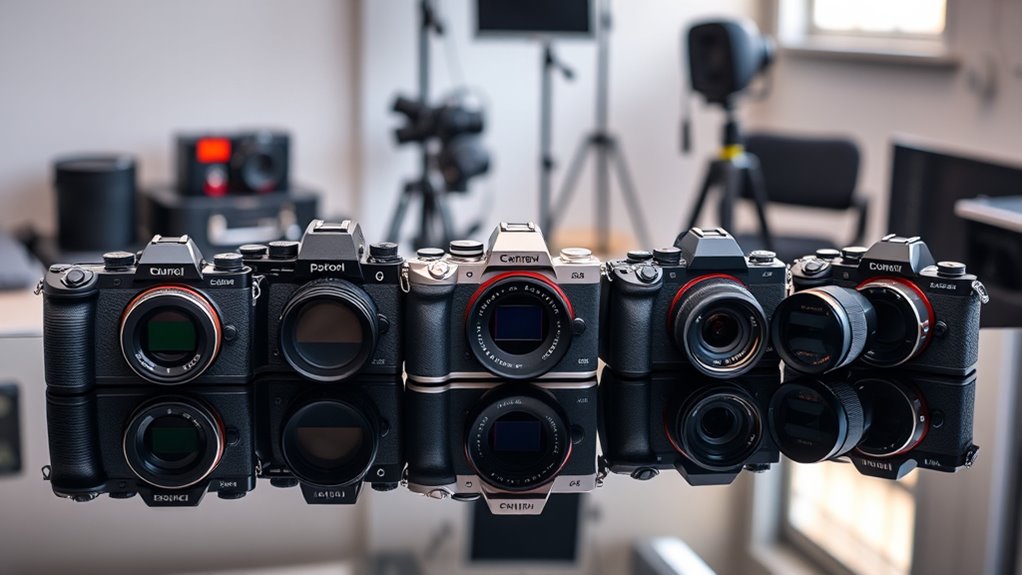

Fullframe mirrorless cameras have become the go-to choice for photographers seeking high image quality and compact design. The best models deliver exceptional detail, low-light performance, and fast autofocus—perfect for capturing professional-grade images. Among the standout options, the Canon EOS R6 Mark II offers a compelling balance of speed and image quality, while the Sony Alpha a7 IV excels with versatile video and photo capabilities. However, choosing the right camera involves tradeoffs: higher-end models often come with a hefty price tag and complex features, while more affordable options might lack advanced autofocus or video specs. Continue reading for a full breakdown of the top fullframe mirrorless cameras in 2026, tailored to different needs and budgets.

Get baking supplies delivered free with Prime
- Fast, free delivery on millions of items
- Prime Video, Amazon Music and more included
- Member-only deals all year
Complete the kit


Key Takeaways
- The top-tier models like the Canon R6 Mark II and Sony a7 IV stand out for their balanced performance in both stills and video.
- Price varies significantly, with premium options offering advanced features, but budget-friendly models still deliver excellent image quality.
- Autofocus speed and accuracy remain key differentiators, especially for action and wildlife photographers.
- While many cameras now include 4K video, not all support high-quality recording or have the same video features.
- Size and weight are important considerations—compact models are easier to carry but may sacrifice some controls or battery life.
| Canon EOS RP Mirrorless Camera RF 24-105mm Lens Kit |  | Best Compact Full-Frame for Versatility | Lens Zoom Range: 24-105mm | Optical Image Stabilization: Yes, up to 5 stops | Maximum Magnification: 0.4x (standard), 0.5x (macro) | VIEW ON AMAZON | See Our Full Breakdown |
| Sony Alpha a7 IV Mirrorless Camera with 28-70mm Lens |  | Best for Professional-Grade Versatility | Sensor Type: CMOS | Sensor Resolution: 33 MP | Maximum ISO: 204800 | VIEW ON AMAZON | See Our Full Breakdown |
| Canon EOS R6 Mark II Mirrorless Camera (Body Only) |  | Best for Action and Event Photography | Sensor: 24.2 MP CMOS | Continuous Shooting: up to 40 fps | Video Recording: 6K oversampled 4K at 60 fps | VIEW ON AMAZON | See Our Full Breakdown |
| Canon EOS R8 Mirrorless Camera with RF 24-50mm f/4.5-6.3 IS STM Lens |  | Best Lightweight Full-Frame for Everyday Use | Sensor Resolution: 24.2 MP | Video Capabilities: 4K up to 60 fps | Autofocus: Dual Pixel CMOS AF II | VIEW ON AMAZON | See Our Full Breakdown |
| Nikon Z5 II Full-Frame Mirrorless Camera |  | Best for Low-Light and In-Body Stabilization | Sensor Type: BSI CMOS | Sensor Resolution: 24.5 MP | Maximum ISO: 51200 | VIEW ON AMAZON | See Our Full Breakdown |
| Sony Alpha 7 IV Full-Frame Mirrorless Interchangeable Lens Camera |  | Best Overall for Professional-Grade Versatility | Sensor: 33MP full-frame Exmor R CMOS | Video Recording: 4K 60p 10-bit 4:2:2 | Image Processor: BIONZ XR | VIEW ON AMAZON | See Our Full Breakdown |
| Canon EOS RP Full Frame Mirrorless Camera with 26.2MP, 4K Video, Vari-Angle Touch LCD, Wi-Fi, Bluetooth |  | Best for Lightweight Versatility and Vlogging | Sensor Type: CMOS | Sensor Size: Full Frame (35mm) | Resolution: 26.2 MP | VIEW ON AMAZON | See Our Full Breakdown |
| Nikon Z 5 Full-Frame Mirrorless Camera |  | Best for Balanced Photography and Video Performance | Sensor Type: CMOS | Sensor Resolution: 24.3 MP | Sensor Size: Full Frame (35mm) | VIEW ON AMAZON | See Our Full Breakdown |
| Canon EOS R8 Mirrorless Camera (Body Only) |  | Best for Compact High-Performance Shooting | Sensor: 24.2 MP CMOS | Processor: DIGIC X | Display: 3.0” vari-angle LCD | VIEW ON AMAZON | See Our Full Breakdown |
| Canon EOS R6 Mark II Mirrorless Camera RF24-105mm F4-7.1 IS STM Lens Kit |  | Best for All-in-One Versatility with Strong Video Capabilities | Sensor Type: CMOS | Sensor Resolution: 24.2 MP | Sensor Size: Full Frame (35mm) | VIEW ON AMAZON | See Our Full Breakdown |
| Canon EOS R100 Mirrorless Camera RF-S18-45mm F4.5-6.3 IS STM Lens Kit |  | Best for Beginners Seeking Portability and Video Capabilities | Sensor: 24.1 MP APS-C CMOS | Lens: RF-S18-45mm F4.5-6.3 IS STM | Video Resolution: 4K at 24 fps, Full HD at 60 fps | VIEW ON AMAZON | See Our Full Breakdown |
| Canon EOS R100 Mirrorless Camera with RF-S 18-45mm Lens Bundle |  | Best for Entry-Level Users Wanting a Complete Kit with Connectivity | Sensor: 24.1 MP APS-C CMOS | Processor: DIGIC 8 | Lens: RF-S 18-45mm f/4.5-6.3 IS STM | VIEW ON AMAZON | See Our Full Breakdown |
| fullframe mirrorless camera | Video Resolution |
|---|---|
| Canon EOS RP Mirrorless Camera | 4K UHD 2160p |
| Sony Alpha a7 IV Mirrorless Ca | 4K 60p |
| Canon EOS R6 Mark II Mirrorles | — |
| Canon EOS R8 Mirrorless Camera | — |
| Nikon Z5 II Full-Frame Mirrorl | — |
| Sony Alpha 7 IV Full-Frame Mir | — |
| Canon EOS RP Full Frame Mirror | — |
| Nikon Z 5 Full-Frame Mirrorles | 4K UHD 2160p |
| Canon EOS R8 Mirrorless Camera | — |
| Canon EOS R6 Mark II Mirrorles | 4320p (8K) |
| Canon EOS R100 Mirrorless Came | 4K at 24 fps, Full HD at 60 fps |
| Canon EOS R100 Mirrorless Came | 4K 24p, Full HD 60p |
More Details on Our Top Picks
Canon EOS RP Mirrorless Camera RF 24-105mm Lens Kit
This kit stands out for combining a lightweight, portable design with a versatile zoom lens that handles a wide range of shooting scenarios. Compared to the heavier Sony a7 IV, the EOS RP offers a more manageable form factor, though its F4-7.1 aperture limits low-light performance and depth of field control. The inclusion of 4K UHD video and webcam capability makes it a strong all-rounder for hobbyists and content creators who prioritize convenience over extreme low-light capabilities or professional-grade video features. Its macro focus distance is a nice addition but may not appeal to macro enthusiasts seeking higher magnification.
Pros:- Compact and lightweight design for easy portability
- Versatile zoom range with optical image stabilization
- High-quality 4K UHD video recording
- Can be used as a webcam with compatible software
Cons:- F4-7.1 aperture limits low-light performance
- Macro focusing distance is quite close, which can be restrictive
Best for: Travelers and casual photographers seeking a compact, all-in-one full-frame camera for both stills and videos
Not ideal for: Low-light shooters or professionals needing the fastest apertures and advanced video options
- Lens Zoom Range:24-105mm
- Optical Image Stabilization:Yes, up to 5 stops
- Maximum Magnification:0.4x (standard), 0.5x (macro)
- Minimum Focusing Distance:0.66 feet (standard), 0.43 feet (macro)
- Video Resolution:4K UHD 2160p
- Weight:Approximately 440 grams (body only)
Our verdict“This camera is ideal for travel and casual content creators who want a lightweight full-frame option with good video features.”
Sony Alpha a7 IV Mirrorless Camera with 28-70mm Lens
The Sony a7 IV offers a substantial step up in image quality with its 33MP full-frame sensor, making it ideal for photographers demanding high resolution. Its advanced autofocus with AI subject recognition surpasses the Canon R6 Mark II’s eye and face detection, especially for wildlife and action photography. While it provides impressive 4K 60p video with 10-bit 4:2:2 output, it’s heavier and more complex to operate than smaller models like the Canon EOS R8. This camera leans toward serious enthusiasts or professionals who need detailed images and versatile video options, but the weight and learning curve might deter casual users.
Pros:- High-resolution 33MP sensor for detailed images
- Advanced AI autofocus for humans, animals, and birds
- 4K 60p video with 10-bit 4:2:2 output
- Versatile shooting modes including multiple exposure options
Cons:- Relatively heavy at 1.51 kg, less portable
- Complex feature set may require a learning curve for newcomers
- Price not specified, possibly expensive for casual use
Best for: Professional photographers and videographers wanting high resolution and AI autofocus in a full-frame mirrorless body
Not ideal for: Travelers or beginners seeking a lightweight or straightforward camera experience
- Sensor Type:CMOS
- Sensor Resolution:33 MP
- Maximum ISO:204800
- Video Resolution:4K 60p
- Viewfinder:Electric, 3.69M dots
- Display Screen Size:3 inches
Our verdict“This camera suits experienced users seeking top-tier image quality and advanced autofocus, but its weight and complexity may be a barrier for some.”
Canon EOS R6 Mark II Mirrorless Camera (Body Only)
The EOS R6 Mark II excels at capturing fast-moving subjects thanks to its 24.2MP sensor and up to 40 fps continuous shooting, making it perfect for sports or wildlife. Its autofocus system, with eye and face detection for both people and animals, outperforms many competitors, including the Nikon Z5 II, in dynamic scenarios. The camera’s video capabilities, including 6K oversampled 4K at 60 fps, add to its appeal for hybrid shooters. However, its complex set of features can be overwhelming for beginners, and it lacks a built-in flash, which might be a drawback in certain situations. Its high price also positions it as a more professional tool.
Pros:- Fast autofocus with eye, face, and subject detection
- High-speed continuous shooting up to 40 fps
- Excellent video options including 6K and 4K at 60 fps
- Reliable connectivity options for quick sharing
Cons:- Complex features may require a steep learning curve
- No built-in flash limits quick setups in low-light situations
- Premium price may be prohibitive for some users
Best for: Professional or serious enthusiasts focused on fast action and high-quality video production
Not ideal for: Beginners or casual shooters who need a simple, affordable camera with straightforward controls
- Sensor:24.2 MP CMOS
- Continuous Shooting:up to 40 fps
- Video Recording:6K oversampled 4K at 60 fps
- Connectivity:Wi-Fi, Bluetooth
- Display:3.0-inch Vari-angle touchscreen
- Battery:Canon LP-E6NH
Our verdict“This camera is best for professionals or advanced hobbyists needing high-speed action capabilities and top-tier video tech.”
Canon EOS R8 Mirrorless Camera with RF 24-50mm f/4.5-6.3 IS STM Lens
The EOS R8 delivers a full-frame experience in a notably lightweight package, ideal for those who want portability without sacrificing quality. Its 24.2MP sensor produces sharp images, and the autofocus system with deep learning subject detection captures moving subjects reliably. With 4K up to 60 fps and Full HD up to 180 fps, it handles most video needs for casual videographers. The compact RF 24-50mm kit lens is versatile enough for everyday photography, though its maximum aperture of f/4.5-6.3 limits low-light shooting and shallow depth of field compared to faster lenses. It’s well-suited for enthusiasts who prioritize mobility over extensive lens options or low-light performance.
Pros:- Lightweight and compact for portability
- High-resolution 24.2MP sensor with good detail
- Advanced autofocus with deep learning detection
- Versatile video features including 4K and high-frame-rate Full HD
Cons:- F/4.5-6.3 maximum aperture limits low-light and background blur
- Limited lens ecosystem compared to DSLR systems
- Price not specified, potentially on the higher side for casual users
Best for: Travelers and hobbyists wanting a full-frame camera that’s easy to carry and quick to use
Not ideal for: Low-light shooters or those needing a broader range of lens options for specialized photography
- Sensor Resolution:24.2 MP
- Video Capabilities:4K up to 60 fps
- Autofocus:Dual Pixel CMOS AF II
- Viewfinder:0.39” OLED EVF
- Screen:3.0” Vari-angle LCD
Our verdict“This camera suits travelers and casual enthusiasts seeking a portable full-frame with solid image and video quality.”
Nikon Z5 II Full-Frame Mirrorless Camera
The Nikon Z5 II offers a balanced approach with a 24.5MP BSI CMOS sensor that excels in low-light conditions, making it a compelling choice for landscape and portrait photographers. Its in-body digital stabilization gives it an edge over models like the Canon EOS R8 in handheld shooting. The camera’s 4K/60p video and Nikon’s seamless cloud and sharing ecosystem appeal to content creators invested in Nikon’s ecosystem. However, its premium pricing and limited lens range compared to Sony’s extensive lineup might be limiting factors. The complex menu system can also pose a challenge for newcomers, but experienced users will appreciate its image quality and stabilization features.
Pros:- High-resolution 24.5MP BSI CMOS sensor for low-light clarity
- In-body digital stabilization for steady handheld shots
- Excellent 4K/60p video recording
- Nikon’s ecosystem with seamless content sharing
Cons:- Premium price point might be restrictive
- Limited lens options compared to Sony or Canon
- Complex menu system challenging for novices
Best for: Enthusiasts and professionals seeking excellent low-light performance combined with in-body stabilization
Not ideal for: Beginners or users seeking a broad lens ecosystem or lower price point
- Sensor Type:BSI CMOS
- Sensor Resolution:24.5 MP
- Maximum ISO:51200
- Video Capabilities:4K/60p
- Viewfinder:Electronic, 3,000 nits
- Connectivity:Nikon Cloud, SnapBridge
Our verdict“This model is best for those who need strong low-light capabilities and stabilization in a full-frame mirrorless body.”
Sony Alpha 7 IV Full-Frame Mirrorless Interchangeable Lens Camera
The Sony Alpha 7 IV stands out for its high-resolution 33MP sensor and advanced image processing, making it the top choice for those seeking professional-quality photos and videos. Its support for 4K 60p recording with 10-bit 4:2:2 color offers significant advantages over models like the Nikon Z 5, which has a lower video resolution and fewer professional features. While the Sony excels in image detail and video flexibility, it lacks specific cons in the provided description—though its complexity and price could be a barrier for entry-level users. This camera is ideal for advanced amateurs and professionals who need uncompromising image quality and video performance without worrying about extra cost or complexity.
Pros:- High-resolution 33MP sensor for maximum detail
- Supports professional 4K 60p video with 10-bit 4:2:2 color
- Advanced BIONZ XR image processing engine for fast performance
Cons:- High price point may be prohibitive for casual users
- Complex interface could require a learning curve
Best for: Professional photographers and videographers demanding high resolution and versatile video features
Not ideal for: Beginners or hobbyists seeking an affordable, straightforward camera without extensive customization
- Sensor:33MP full-frame Exmor R CMOS
- Video Recording:4K 60p 10-bit 4:2:2
- Image Processor:BIONZ XR
- Operating Temperature:0 to 40 °C
- Power Input:100 – 240 V, 50/60 Hz
Our verdict“This camera is best suited for those who need top-tier image and video quality without compromise.”
Canon EOS RP Full Frame Mirrorless Camera with 26.2MP, 4K Video, Vari-Angle Touch LCD, Wi-Fi, Bluetooth
The Canon EOS RP offers a compact, lightweight package with a 26.2 MP full-frame sensor, making it a practical choice for travel and vlogging. Compared with the Sony Alpha 7 IV, it sacrifices some resolution and advanced video features but excels in portability and ease of use. Its vari-angle touchscreen enhances vlogging and creative framing, though the weight listed as 4.54 grams appears to be a typo—likely 454 grams. Its limited information on battery life and durability suggests it’s better suited for casual or semi-professional use rather than demanding shoots. The EOS RP makes the most sense for content creators who prioritize size, connectivity, and a friendly interface over raw performance.
Pros:- Lightweight and compact for easy portability
- High image quality with 26.2 MP sensor
- Vari-angle touchscreen ideal for vlogging and selfies
Cons:- Typo in weight may cause confusion—likely 454 grams
- Limited battery life and ruggedness info
Best for: Travelers, vloggers, and casual content creators seeking a lightweight, versatile full-frame camera
Not ideal for: Pro photographers or videographers requiring extensive video features or rugged durability
- Sensor Type:CMOS
- Sensor Size:Full Frame (35mm)
- Resolution:26.2 MP
- Maximum Video Resolution:4K UHD 2160p
- Screen Size:3 inches
- Viewfinder:Electronic
Our verdict“This camera is perfect for creators who need portability and solid image quality with straightforward operation.”
Nikon Z 5 Full-Frame Mirrorless Camera
The Nikon Z 5 combines a 24.3MP full-frame sensor with in-body 5-axis stabilization, making it a well-rounded choice for both stills and video. Its compact design and in-body stabilization give it an edge over the Canon EOS R8 when it comes to steadiness in handheld shooting. However, its maximum aperture of f/6.3 limits depth of field control compared to other models like the Sony Alpha 7 IV, which offers more lens flexibility. The absence of a built-in flash and unspecified price might restrict some users. Overall, the Z 5 offers a compelling mix of image quality, stabilization, and portability for enthusiasts stepping into full-frame photography without a hefty price tag.
Pros:- In-body 5-axis stabilization for sharp handheld shots
- Good low-light performance with 24.3 MP sensor
- Compact and lightweight for travel
Cons:- Limited maximum aperture (f/6.3) affects depth of field control
- No built-in flash
Best for: Amateur and enthusiast photographers seeking a balanced full-frame camera with stabilization
Not ideal for: Professional shooters needing robust lens options and advanced video features
- Sensor Type:CMOS
- Sensor Resolution:24.3 MP
- Sensor Size:Full Frame (35mm)
- Maximum Shutter Speed:1/8000 seconds
- Image Stabilization:Sensor-shift, 5-Axis
- Video Resolution:4K UHD 2160p
Our verdict“Ideal for enthusiasts looking for stabilization and full-frame quality in a manageable size.”
Canon EOS R8 Mirrorless Camera (Body Only)
The Canon EOS R8 offers a 24.2 MP CMOS sensor with advanced autofocus powered by deep learning technology, positioning it as a capable all-rounder. Its size and weight make it attractive for users who want high performance without bulk, especially compared to the heavier EOS R6 Mark II kit. It shines in autofocus accuracy, including subject detection for animals and vehicles, and offers robust video options like 4K at 60 fps. However, the lack of a built-in flash and the need to acquire lenses separately could be drawbacks for some. The maximum recording time of two hours might be restrictive for long sessions, but overall this is a flexible choice for photographers and videographers seeking a compact yet powerful tool.
Pros:- High-resolution 24.2 MP full-frame sensor
- Advanced autofocus with deep learning subject detection
- Versatile 4K and Full HD video options
Cons:- No built-in flash
- Requires additional lenses, increasing overall cost
Best for: Travelers and content creators who prioritize size and autofocus technology
Not ideal for: Photographers needing built-in flash or longer recording durations
- Sensor:24.2 MP CMOS
- Processor:DIGIC X
- Display:3.0” vari-angle LCD
- Autofocus:Dual Pixel CMOS AF II, 1053 zones
- Video Recording:4K up to 60 fps
Our verdict“This camera is best suited for those who need a compact, high-tech full-frame option for photography and video on the go.”
Canon EOS R6 Mark II Mirrorless Camera RF24-105mm F4-7.1 IS STM Lens Kit
The Canon EOS R6 Mark II paired with the RF24-105mm F4-7.1 IS STM lens offers a comprehensive package for both high-quality stills and video. Its 24.2 MP sensor and in-body stabilization make it a flexible choice for diverse shooting situations. Compared with the Sony Alpha 7 IV, it provides excellent autofocus and in-body stabilization, but the kit’s weight of around 2.2 pounds could be a concern for extended handheld use. The lens’s variable aperture (F4-7.1) limits depth of field control compared to fixed-f/2.8 zooms, but it balances size and versatility well. This kit is ideal for hybrid shooters who want a reliable workhorse with good video and photo features in a manageable form factor.
Pros:- High-quality 24.2 MP full-frame sensor
- Effective in-body stabilization for smooth footage and sharp images
- Versatile zoom lens included for various shooting styles
Cons:- Heavier than some competitors at 2.2 pounds
- Variable aperture limits depth of field control
Best for: Photographers and videographers wanting a versatile, all-in-one camera with stabilization
Not ideal for: Those needing the highest possible resolution or specialized lenses for niche photography
- Sensor Type:CMOS
- Sensor Resolution:24.2 MP
- Sensor Size:Full Frame (35mm)
- Maximum Aperture:F4-7.1
- Image Stabilization:Sensor-shift
- Video Resolution:4320p (8K)
Our verdict“This kit is perfect for hybrid shooters who value stabilized footage and flexible zoom options in a full-frame system.”
Canon EOS R100 Mirrorless Camera RF-S18-45mm F4.5-6.3 IS STM Lens Kit
The Canon EOS R100 stands out for its compact size and lightweight design, making it an attractive choice for those who prioritize easy transport and casual shooting. Unlike bulkier models such as the Sony Alpha a7 IV, this camera emphasizes simplicity without sacrificing 4K video recording or fast autofocus, thanks to its Dual Pixel CMOS AF with face and eye detection. However, its smaller APS-C sensor and limited lens kit mean it’s less suited for low-light situations or expanding photography needs. The kit’s F4.5-6.3 aperture may struggle in dim environments, and the absence of a built-in flash limits versatility in certain settings. This pick makes the most sense for hobbyists who want a straightforward, portable camera with solid video features, but those seeking advanced low-light performance or extensive lens options might prefer something more robust.
Pros:- Compact and lightweight for easy portability
- Excellent 4K video quality with fast autofocus
- Versatile shooting modes for stills and video
Cons:- Limited lens options included in the kit
- F4.5-6.3 aperture may hinder low-light shooting
- No built-in flash limits lighting versatility
Best for: Beginners or casual videographers who need a lightweight camera for travel and everyday photography.
Not ideal for: Serious enthusiasts or professionals requiring extensive lens choices and superior low-light performance.
- Sensor:24.1 MP APS-C CMOS
- Lens:RF-S18-45mm F4.5-6.3 IS STM
- Video Resolution:4K at 24 fps, Full HD at 60 fps
- Autofocus:Dual Pixel CMOS AF with face and eye detection
- Continuous Shooting:6.5 fps
- Weight:Less than 400 grams
Our verdict“This camera is best suited for beginners or travelers who want a simple, portable device with good video capabilities.”
Canon EOS R100 Mirrorless Camera with RF-S 18-45mm Lens Bundle
This bundle offers a user-friendly experience, combining the same core features as the standalone R100 but adding the convenience of a full kit with the RF-S 18-45mm lens. Compared with the Canon EOS R100 kit alone, this bundle provides better value and ready-to-shoot versatility, especially for beginners who appreciate an included zoom lens. It features a 24.1MP APS-C sensor and DIGIC 8 processor, ensuring sharp images and reliable 4K video, similar to the single kit but with more confidence in a ready-to-use package. Still, its bulkier profile and limited aperture range (f/4.5-6.3) could hamper low-light performance, and the battery life remains modest for extended sessions. This option makes the most sense for newcomers seeking a straightforward camera with built-in Wi-Fi and Bluetooth for easy sharing, but more advanced shooters needing superior low-light capabilities might prefer higher-end models.
Pros:- Includes a versatile zoom lens ready for various scenes
- Easy-to-use interface ideal for beginners
- Built-in Wi-Fi and Bluetooth for quick sharing
Cons:- Bulkier than compact cameras, affecting portability
- Limited maximum aperture reduces low-light potential
- Battery life may not sustain long shooting sessions
Best for: Beginners or casual content creators who want an all-in-one starter kit with connectivity features.
Not ideal for: Photographers looking for a compact, lightweight setup or those needing better low-light performance for serious work.
- Sensor:24.1 MP APS-C CMOS
- Processor:DIGIC 8
- Lens:RF-S 18-45mm f/4.5-6.3 IS STM
- Video Resolution:4K 24p, Full HD 60p
- Image Stabilization:Yes
- Viewfinder:2.36m-Dot OLED EVF
- Connectivity:Wi-Fi, Bluetooth
- Weight:4.2 pounds
- Autofocus Points:143
Our verdict“This bundle is perfect for entry-level users seeking a comprehensive, easy-to-use camera with connectivity features, but less so for those prioritizing portability or low-light shooting.”

How We Picked
I evaluated these cameras based on core factors that influence real-world usage: image quality, autofocus performance, video capabilities, build quality, and value for money. Cameras with a proven track record of reliability, user-friendly controls, and versatile features earned higher rankings. I aimed to include a range of options from entry-level to professional-grade, ensuring each model offers distinct advantages for different types of users. The ranking reflects a balance of performance, usability, and price, helping buyers find the best fit for their specific needs and budgets.Factors to Consider When Choosing Fullframe Mirrorless Cameras
Choosing a fullframe mirrorless camera involves weighing several key factors beyond raw specifications. Understanding your primary use—whether photography, videography, or both—will help you focus on the most relevant features. Budget considerations also play a major role, as high-end models offer advanced capabilities at a premium, but many mid-range options provide excellent value. Additionally, ergonomics and interface design can impact your shooting experience, especially during long sessions. Keep in mind that investing in lenses and accessories can significantly influence your overall satisfaction and workflow. Consider these broader aspects carefully to make a well-informed purchase.Performance and Image Quality
The core reason for choosing a fullframe mirrorless camera is to achieve superior image quality, especially in challenging lighting conditions. Look for models with high-resolution sensors and good dynamic range, which allow you to capture fine details and vibrant colors. Consider autofocus speed and accuracy, particularly if you plan to shoot fast-moving subjects. Remember, a higher megapixel count isn’t always better if it compromises noise performance or file manageability—balance your resolution needs with your workflow.
Video Capabilities
If videography is a priority, examine each camera’s video specs carefully. Features like 4K recording at high frame rates, internal stabilization, and microphone inputs make a big difference in producing professional-quality videos. Some models include advanced features such as log profiles or slow-motion recording, which are valuable for filmmakers. Be aware that higher video performance often correlates with increased price and power consumption, so choose a model that aligns with your actual video needs.
Size, Weight, and Ergonomics
While fullframe mirrorless cameras tend to be more compact than DSLRs, size and weight still vary across models. If you shoot on the go or travel frequently, a lighter, more portable design may be beneficial—though it might mean sacrificing some grip comfort or control options. Ergonomics, such as button placement and grip feel, can influence your shooting experience, especially during extended sessions. Consider trying out models in person if possible, to see which feels most natural for your hand and style.
Battery Life and Storage
Battery life can vary widely, with some fullframe mirrorless cameras offering only a few hundred shots per charge. If you shoot extensively or in remote locations, look for models with larger batteries or options for external power. Storage options are also key—most cameras rely on SD or CFexpress cards, so check compatibility and speed ratings. Also, keep an eye on features like dual card slots, which provide backup and peace of mind during critical shoots.
System Ecosystem and Lens Compatibility
Choosing a camera isn’t just about the body—it’s also about the lens ecosystem and accessories available. Some brands offer extensive selections of native lenses, which can save costs and improve performance. Others might have a more limited lineup but offer adapters for third-party lenses. Consider your future needs: investing in a system with a broad selection of lenses and accessories can save money and hassle long-term. Compatibility with existing gear is also worth considering if you already own lenses or accessories.
Frequently Asked Questions
Is it better to buy a fullframe or crop sensor mirrorless camera?
Fullframe cameras generally provide better image quality, especially in low-light conditions, due to their larger sensors. They also produce a shallower depth of field, which helps achieve professional-looking portraits and creative effects. However, crop sensors tend to be smaller, lighter, and more affordable, making them appealing for travel or beginners. The choice depends on your priorities: if ultimate image quality and control over depth of field matter most, a fullframe system is likely the better fit.
How important is autofocus performance in a fullframe mirrorless camera?
Autofocus performance is a critical factor, especially for capturing fast-moving subjects like sports or wildlife. Modern fullframe mirrorless cameras feature advanced autofocus systems with face and eye detection, which dramatically improve shot accuracy. A camera with lagging or unreliable autofocus can lead to missed moments or frustration during critical shoots. Investing in a model with proven autofocus capabilities ensures more consistent results across a variety of scenarios.
Should I prioritize video features or still photography performance?
This depends on your primary focus. If video is your main interest, look for models with high-quality 4K recording, good stabilization, and audio input options. Conversely, if still photography is your main goal, prioritize sensor resolution, autofocus, and ergonomics. Many cameras now excel at both, but they tend to be more expensive. Clarifying your main use case will help you select a system that delivers the features you need without paying for extras you won’t use.
How much should I expect to spend on a good fullframe mirrorless camera?
Entry-level fullframe mirrorless cameras can start around $1,000, offering decent performance for beginners or hobbyists. Mid-range models, like the Sony a7 IV or Canon R6 Mark II, typically fall within $2,000 to $3,500 and cater to serious enthusiasts and professionals. Premium options with advanced video and autofocus features can exceed $4,000. Your budget should reflect your intended use, with higher spendings providing more durability, speed, and versatility for demanding projects.
Are newer models worth the extra investment over older ones?
Newer models often include incremental improvements in autofocus, video, and sensor technology, along with better ergonomics and software features. However, older models can still deliver excellent results at a lower price, especially if you don’t need the latest features. Consider your specific needs—if you require cutting-edge autofocus or higher video resolution, a recent release is likely worth the investment. For casual or hobbyist use, slightly older options may provide the best value.
Conclusion
For most users, the Canon EOS R6 Mark II makes an excellent choice as the best overall, thanks to its balanced mix of speed, image quality, and video features. Those on a tighter budget or seeking a lightweight system might prefer the Canon EOS RP or Nikon Z5 II, which offer strong performance at lower prices. If you prioritize high-end video or future-proofing, the Sony Alpha a7 IV stands out as a premium pick. Beginners and casual shooters will find the Canon EOS R100 an accessible entry point, while professionals needing maximum versatility might opt for the Canon EOS R6 Mark II or Sony a7 IV. Your ideal choice hinges on your specific shooting style and budget—this guide aims to help you navigate those tradeoffs confidently.