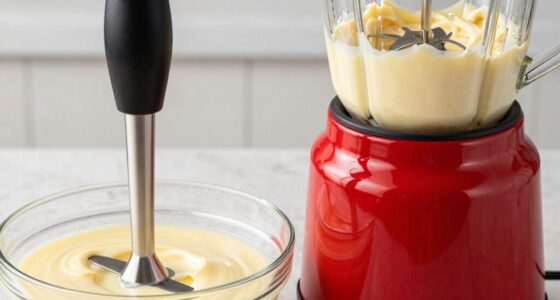
A blender needs a tamper to safely and effectively process thick or stubborn ingredients like nut butters or dense smoothies by pushing them toward the blades. Using a tamper improperly, such as forcing it or inserting other objects, can be dangerous and may damage your blender or cause injury. Knowing when and how to use this tool correctly helps you avoid risks and get the best results. Keep exploring to learn how to use a tamper safely and effectively.
Open a free Amazon Business account
Business pricing, bulk buying and tax-exempt orders.
As an affiliate, we earn on qualifying purchases.
Key Takeaways
- Some blenders require a tamper to safely push thick, stubborn ingredients toward the blades during blending.
- Using a tamper helps prevent motor strain and ensures thorough mixing of dense mixtures.
- Tamper use is safe only when designed for the specific blender model; improper use can cause injury or damage.
- Inserting objects other than the tamper during operation risks slipping, blade damage, or injury.
- Always follow manufacturer guidelines and turn off the blender before adjusting or removing the tamper.
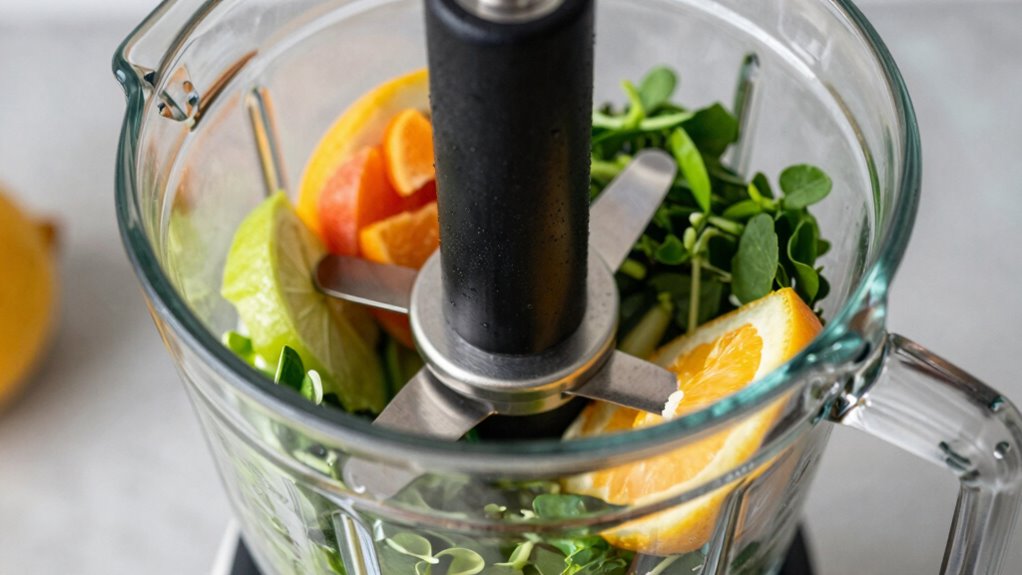
Using a blender with a tamper can make blending easier and more efficient, but it’s vital to prioritize safety. The design of your blender plays an important role in how effective and safe it is when using a tamper. Many high-powered blenders are built with a sturdy container and a well-placed lid, allowing you to press ingredients down without worrying about spills or accidents. The purpose of a tamper is to push ingredients toward the blades safely, especially when blending thick mixtures like nut butters, smoothies, or dough. However, understanding the blender’s design and following safety precautions can prevent accidents that could cause injury or damage.
Using a tamper safely enhances blending, but understanding your blender’s design is key to avoiding accidents.
When considering blender design, look for models that explicitly include a tamper or are compatible with one. A good design ensures the tamper fits snugly and can be used without forcing it, reducing the risk of slipping or misuse. If your blender lacks a built-in design for a tamper, trying to improvise with other tools can be dangerous, as they might not be suited for the task and could damage the device or cause injury. Safety precautions include never inserting any object other than the intended tamper into the container while the blender is running, and always turning off and unplugging the blender before attempting to remove or adjust the tamper. It’s easy to underestimate how powerful the blades can be, especially in high-speed blenders, so respecting these safety steps is essential.
Additionally, choosing a blender with a robust motor can help ensure it handles thick ingredients more safely and effectively, reducing the risk of motor strain or breakage. Using a tamper correctly requires understanding its purpose and limitations. It’s designed to assist in processing thick ingredients, not to be used as a stick to poke or prod inside the blender during operation. Doing so can cause the tamper to get caught, or worse, force ingredients into the blades, which may lead to motor strain or breakage. Safety precautions also include inspecting the blender and tamper regularly for cracks or damage, as compromised parts can pose safety risks during operation. Always follow the manufacturer’s instructions—these are tailored for your specific blender model and are the most reliable guide to safe usage.
Ultimately, a well-designed blender paired with proper safety precautions allows you to make the most of the tamper’s benefits while minimizing risks. By understanding the blender’s design and respecting the safety measures, you keep yourself protected and prolong the life of your appliance. When used correctly, a tamper can greatly improve blending efficiency, especially with stubborn ingredients, but it’s your awareness and caution that keep the process safe and smooth.
high-powered blender with tamper
As an affiliate, we earn on qualifying purchases.
As an affiliate, we earn on qualifying purchases.
Frequently Asked Questions
Can Using a Tamper Damage My Blender?
Using a tamper incorrectly can damage your blender, especially if you push too hard or misuse it. Tamper misuse might cause the blades or motor to strain, potentially voiding your blender warranty. Always follow the manufacturer’s instructions when using a tamper, and avoid forcing it. Proper use guarantees safety and maintains your blender’s performance, preventing costly repairs or warranty issues down the line.
Is a Tamper Necessary for All Blending Tasks?
You don’t need a tamper for every blending task; it’s more like a specialized tool in your arsenal. While blender accessories like a tamper can improve blending techniques, especially with thick ingredients, they aren’t always necessary. For smoother blends, you can often work around it. However, for stubborn textures, a tamper helps push everything down, making your process easier—just don’t force it if your blender isn’t designed for one.
How Do I Clean a Tamper Properly?
To clean a tamper properly, start by removing it from your blender. Wash it with warm, soapy water, making sure to scrub any crevices. Rinse thoroughly and dry completely before storing. Keep in mind blender accessories like the tamper require careful cleaning to maintain tamper safety and prevent cross-contamination. Regular cleaning guarantees your tamper stays in good condition and safe to use with your blender.
What Materials Are Safe for Tamper Use?
When it comes to tamper materials, you’re better off sticking with food-grade silicone, hard plastics, or stainless steel. These materials offer the best balance of material safety and tamper durability, ensuring you won’t be playing with fire. Avoid cheap plastics or anything that might leach chemicals. Think of it as putting your trust in a buddy who’s reliable—choose a tamper that’s safe and built to last, so you don’t end up with a lemon.
Can a Tamper Cause the Blender to Overheat?
Yes, using a tamper improperly can cause your blender to overheat, risking damage and safety hazards. To guarantee blender safety, always use a tamper made from appropriate materials like silicone or plastic designed for blending. Avoid metal tamper parts that can damage blades or motor, leading to overheating. Follow your blender’s instructions carefully, and never force the tamper if resistance occurs. Proper use of tamper materials keeps your blending safe and efficient.
Conclusion
So, stay safe and savvy by understanding your blender’s needs. Using a tamper correctly can tame tough ingredients and tackle tricky textures. But beware—bypassing safety guidelines can lead to blenders bursting or breaking. Be vigilant, respect the equipment, and never neglect safety. When used wisely, a tamper transforms your blending experience from frustrating to fabulous. Remember, safety safeguards your smoothies, so stay smart, cautious, and confident in your culinary creations.
Fall yard work Picks
leaf blowers
As an affiliate, we earn on qualifying purchases.