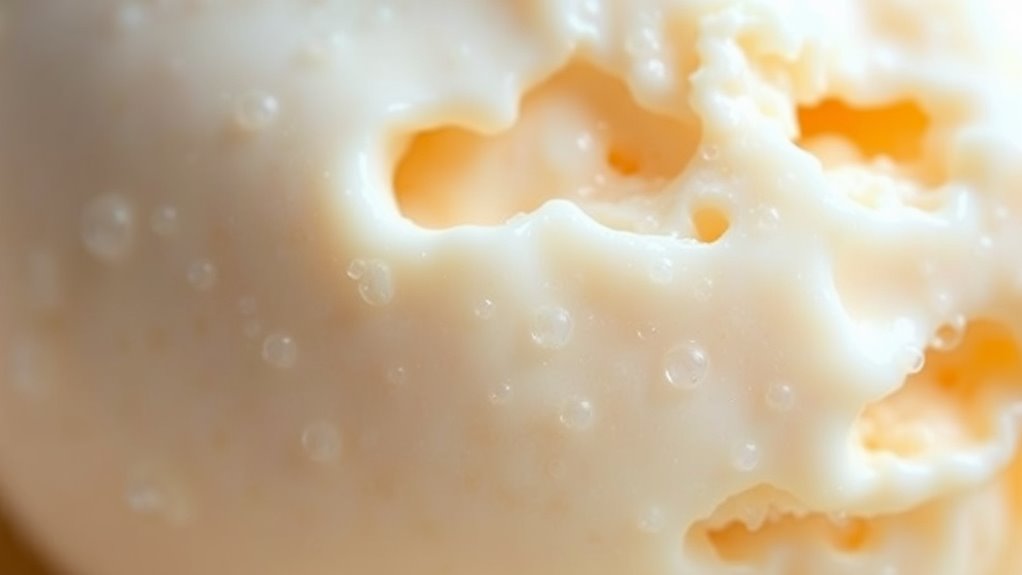

Air, or overrun, is intentionally whipped into your ice cream during manufacturing to create volume and lightness. The amount of air affects its texture—more air makes it fluffy and soft, while less results in denser, creamier ice cream. Manufacturers carefully regulate overrun to guarantee quality and desired consistency. Understanding how air influences texture and flavor can help you appreciate why your favorite brand feels just right. Keep exploring to learn more about this fascinating process.

Get baking supplies delivered free — and shop member deals
- Fast, free delivery on millions of items
- Access to Prime Big Deal Days deals on October 6–7
- Prime Video, Amazon Music and more included
Key Takeaways
- Overrun is the amount of air whipped into ice cream during manufacturing, affecting texture and appearance.
- Higher overrun creates lighter, fluffier ice cream, while lower overrun results in denser, creamier products.
- Soft serve has over 50% overrun, making it airy, whereas premium gelato typically has around 20%.
- Proper control of overrun ensures consistent quality, flavor, and optimal shelf life.
- Excessive or insufficient overrun can diminish the ice cream’s richness, texture, and consumer satisfaction.
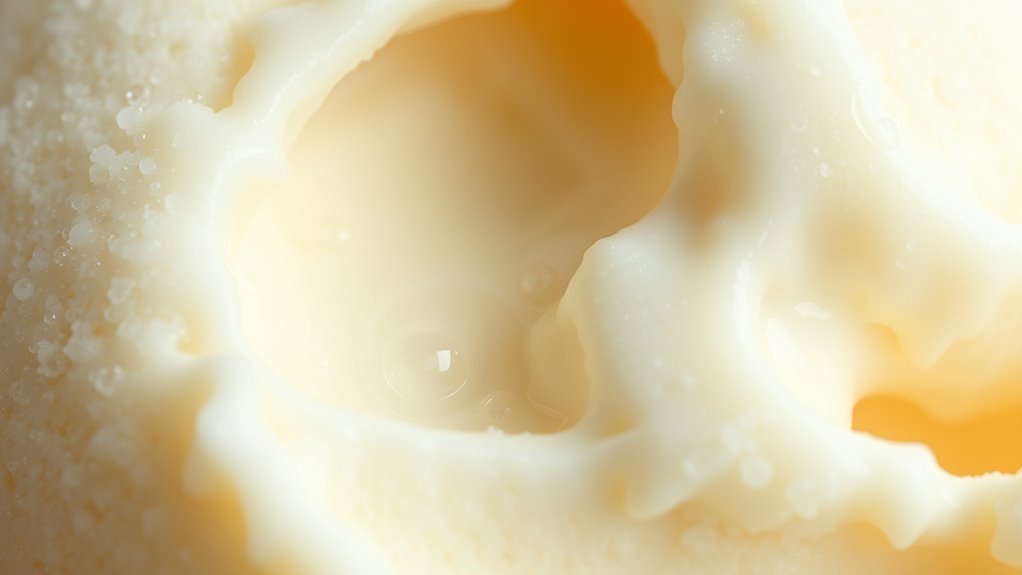
Have you ever wondered what overrun means in the context of ice cream? It’s a term that might sound confusing at first, but it’s actually pretty straightforward once you understand how ice cream is made. Overrun refers to the amount of air that’s whipped into the ice cream during its manufacturing process. This air creates bubbles that expand the volume of the product, making it lighter and fluffier. When you scoop your favorite treat, the ice cream’s texture—whether creamy, dense, or airy—depends largely on how much overrun is present.
During the manufacturing process, ice cream is churned at controlled temperatures, and air is gradually incorporated into the mixture. This is a deliberate step, as the amount of air added influences the final product’s consistency and appearance. Higher overrun means more air, resulting in ice cream that feels lighter and softer on your palate. Conversely, lower overrun produces a denser, creamier ice cream with less air, often perceived as richer and more indulgent. Manufacturers carefully adjust the amount of overrun depending on the type of ice cream they want to produce, balancing texture with flavor.
Understanding overrun is key to grasping why different brands and varieties of ice cream can taste and feel so different. For instance, a soft serve ice cream typically has a high overrun, sometimes over 50%, giving it that airy, whipped consistency that melts quickly in your mouth. On the other hand, premium gelatos or artisan ice creams tend to have lower overrun, often around 20%, which is why they feel denser and more luscious. This difference in the manufacturing process directly impacts the ice cream’s texture—whether it’s smooth and velvety or light and frothy.
The presence of air also affects the overall quality and shelf life of ice cream. Too much overrun can make it feel insubstantial and less satisfying, while too little can make it overly dense and hard to scoop. The trick for manufacturers is to find the perfect balance—adding enough air to create a pleasing texture without sacrificing flavor or creaminess. So, when you enjoy your next bowl or cone, remember that the amount of air in it isn’t just about volume; it’s a carefully controlled part of the manufacturing process that shapes your ice cream experience. Additionally, calibration of equipment plays a vital role in maintaining consistent overrun levels for different batches.
As an affiliate, we earn on qualifying purchases.
Frequently Asked Questions
How Does Overrun Influence the Flavor Consistency of Ice Cream?
You might notice that overrun impacts the flavor consistency of your ice cream. When too much air is added, it dilutes the flavor, making it less intense and less uniform. This also affects texture consistency, as a higher overrun creates a lighter, fluffier feel, but can lessen the richness of the flavor. So, controlling overrun helps guarantee each scoop delivers a balanced, enjoyable flavor with the right texture.
Can Overrun Levels Be Adjusted During Commercial Ice Cream Production?
Think of adjusting overrun levels like tuning a musical instrument—you need precise control. During commercial production, you can change overrun by tweaking mixing techniques and calibrating equipment. Proper calibration guarantees the right amount of air is incorporated, affecting texture and volume. So, yes, you can modify overrun levels during production, but it requires careful adjustments to maintain consistency and quality throughout the process.
What Are the Health Implications of High Overrun in Ice Cream?
High overrun in ice cream can impact health by diluting nutrients, potentially reducing nutritional value. If you’re sensitive or allergic to certain ingredients, increased air might mask ingredient presence, complicating allergy considerations. While it generally doesn’t pose serious health risks, excessive overrun could lead to lower calorie density and affect overall nutritional intake. Always check ingredient labels and consider portion sizes to maintain a balanced diet.
How Does Overrun Affect the Shelf Life of Ice Cream Products?
Imagine tiny air bubbles acting as protectors, keeping your ice cream fresh. Higher overrun can weaken air cell stability, leading to faster deterioration. This makes the product more susceptible to microbial growth, which shortens shelf life. You might notice ice crystals or freezer burn sooner. To keep your ice cream tasting great longer, manufacturers control overrun to maintain peak air cell stability and slow microbial activity.
Are There Specific Ice Cream Types That Require Higher or Lower Overrun?
You might notice that premium ice creams, aiming for richer textures, usually require lower overrun to maintain their dense, creamy feel. Conversely, lighter varieties like sorbets or soft-serve often have higher overrun, making them airy and less dense. The dairy ratios also influence this choice; higher dairy content typically needs less overrun to preserve quality. So, selecting the right overrun depends on the ice cream type and desired texture for ideal quality.
Conclusion
So, next time you scoop your favorite ice cream, remember there’s more going on than just flavor. That air, or overrun, can secretly change everything—creamy texture, richness, even how long it stays perfect. But here’s the twist: understanding overrun might just give you the power to spot quality or pick the best tub. Ready to uncover the secrets hiding in your freezer? Keep your eyes open—you never know what’s lurking behind that frosty façade.
Fall Picks
fall essentials
As an affiliate, we earn on qualifying purchases.