Caramel ice cream can taste burnt even when it isn’t because subtle chemical changes during caramelization, like overdeveloped toasted compounds, can produce off-flavors that resemble burnt sugar. If heat isn’t properly controlled, it may cause the caramel to develop bitterness or burnt-tasting notes without actual burning. Small temperature differences or rushed cooking methods can also lead to these unwanted flavors. Want to discover how to prevent this and perfect your caramel ice cream? Stay tuned to learn more.

Get baking supplies delivered free — and shop member deals
- Fast, free delivery on millions of items
- Access to Prime Big Deal Days deals on October 6–7
- Prime Video, Amazon Music and more included
Key Takeaways
- Overheating caramel during preparation can develop bitter, burnt flavors that persist even after cooling and mixing into ice cream.
- Rapid temperature fluctuations or adding cold ingredients suddenly can cause caramel seizing, resulting in off-flavors.
- Excessive cooking or overcaramelization can produce compounds that taste burnt, despite proper cooling.
- Improper stirring or uneven heat distribution may cause localized burning, affecting overall flavor.
- Residual overcooked caramel or lingering burnt notes can remain in the ice cream, even if the final product appears smooth.
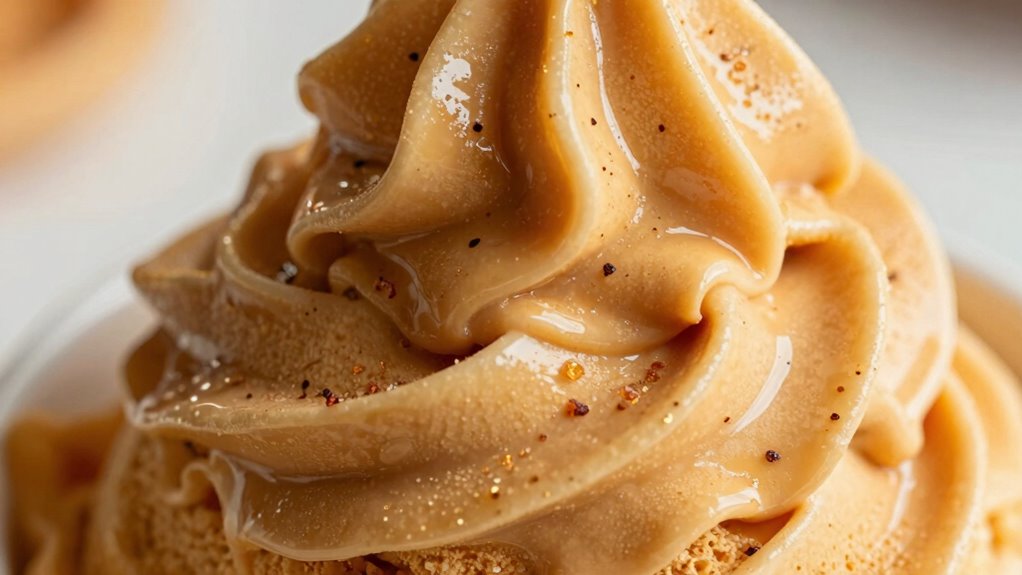
If you’ve ever tasted caramel ice cream and thought it was burnt, even though it wasn’t, you’re not alone. Many people experience this confusing flavor perception, and understanding why requires a closer look at flavor chemistry and cooking techniques. When making caramel ice cream, the goal is to develop a rich, sweet, and slightly toasted flavor. However, sometimes the process leads to a taste that resembles burnt sugar, even when the sugar hasn’t actually burned. This discrepancy often comes down to how heat interacts with ingredients and how flavors develop during cooking.
Flavor chemistry plays a significant role here. As sugar heats, it undergoes a series of chemical reactions, primarily caramelization, which produces complex flavors. These reactions create the toasty, nutty, and caramel notes you seek. But if the sugar is heated too quickly or at too high a temperature, these compounds can become overdeveloped, resulting in a bitter or burnt taste. This is where understanding flavor chemistry helps: you learn to control the temperature to encourage desirable reactions while avoiding the formation of off-flavors.
Cooking techniques are just as vital. When making caramel for ice cream, slow and even heating is key. Rushing the process by turning up the heat can cause uneven caramelization, where parts of the sugar burn before others are properly toasted. Stirring constantly helps distribute heat evenly, preventing hotspots that lead to burnt flavors. Using a heavy-bottomed pan can also help maintain consistent temperature, reducing the risk of scorching the sugar. Once the caramel reaches the desired amber hue, removing it from heat quickly stops the reaction, preventing it from turning bitter. It’s also helpful to monitor the temperature closely with a thermometer to avoid overheating. Additionally, understanding the role of heat distribution in achieving even caramelization can make a significant difference in flavor development.
Another common mistake involves adding cold ingredients, like cream or milk, to hot caramel. Sudden temperature changes can cause the caramel to seize or develop a burnt flavor profile. Carefully tempering ingredients or adding them gradually helps maintain control over the temperature and flavor development. Additionally, some recipes call for a splash of water during caramelization to moderate the heat and promote even cooking, further reducing chances of a burnt taste. Understanding the importance of temperature control during caramelization is crucial for achieving the perfect flavor.
In essence, the key to avoiding a burnt flavor in caramel ice cream lies in mastering the balance between flavor chemistry and cooking techniques. By paying close attention to temperature, stirring constantly, and controlling heat application, you can coax out the perfect caramel flavor without any unwanted bitterness. It’s all about patience and precision—understanding how heat transforms sugar and carefully guiding that transformation will help you make ice cream that’s rich, sweet, and perfectly toasted, not burnt.
digital candy and cooking thermometer
As an affiliate, we earn on qualifying purchases.
As an affiliate, we earn on qualifying purchases.
Frequently Asked Questions
Can Caramel Ice Cream Taste Burnt if It’s Homemade?
Yes, homemade caramel ice cream can taste burnt, even if it isn’t. If you overcook the caramel or don’t monitor the temperature, it might develop a bitter flavor, impacting flavor consistency. Additionally, improper mixing or uneven freezing can cause texture variations that make the flavor seem burnt. To prevent this, stir carefully, use a thermometer, and make certain of consistent churning. This helps maintain the desired flavor profile and smooth texture.
Does Storage Affect Caramel Ice Cream’s Flavor?
Storage definitely affects caramel ice cream’s flavor consistency. If you keep it at the wrong storage temperature, like too warm, it can develop off-flavors or a burnt taste, even if it’s fresh. To prevent this, always store your ice cream at a consistent, cold temperature, ideally below -18°C (0°F). Proper storage helps maintain its rich caramel flavor and prevents undesirable tastes from developing over time.
Are Certain Ingredients More Likely to Cause a Burnt Taste?
Certain ingredients can trigger a burnt taste in caramel ice cream, especially if you’re sensitive to them. For example, overly roasted nuts or artificial flavoring might mask the true caramel flavor or create a burnt sensation. Ingredient sensitivity plays a big role here, making it tricky to pinpoint the cause. Keep a close eye on these components, as they can subtly influence your ice cream’s flavor in unexpected, almost suspenseful ways.
How Does the Caramelization Process Influence Flavor?
Caramelization greatly influences flavor development by creating rich, complex tastes through heat-induced reactions. When you heat sugars, the Maillard reaction occurs alongside caramelization, producing deeper, toasted notes. These processes can sometimes make caramel ice cream taste burnt, even if it isn’t. The key is controlling the temperature carefully, so you develop the desired caramel flavors without crossing into burnt territory. This delicate balance ensures a flavorful, appealing ice cream.
Can Mixing Techniques Impact the Burnt Flavor Perception?
Mixing techniques can considerably impact flavor perception and sensory influence in caramel ice cream. When you stir vigorously or unevenly, you may introduce air or create inconsistent caramel distribution, which can enhance the perception of a burnt flavor even if the caramel isn’t burnt. Gentle, uniform mixing ensures a smoother texture and more balanced flavor perception, reducing the chance of that undesirable burnt taste and providing a richer, more authentic caramel experience.
Conclusion
So, next time your caramel ice cream hits your taste buds and suddenly tastes like a fiery inferno, don’t panic! It’s not actually burnt—your senses are just playing tricks on you. Your brain might be overreacting, turning that sweet, creamy delight into a smoky, charred nightmare. Remember, it’s all in your head, not the ice cream. Relax, enjoy the flavor, and don’t let a tiny misunderstanding turn your dessert into a burnt disaster!
Fall Picks
fall essentials
As an affiliate, we earn on qualifying purchases.