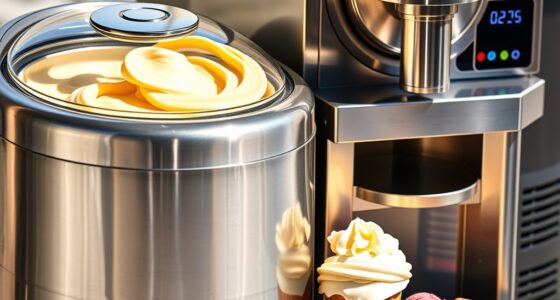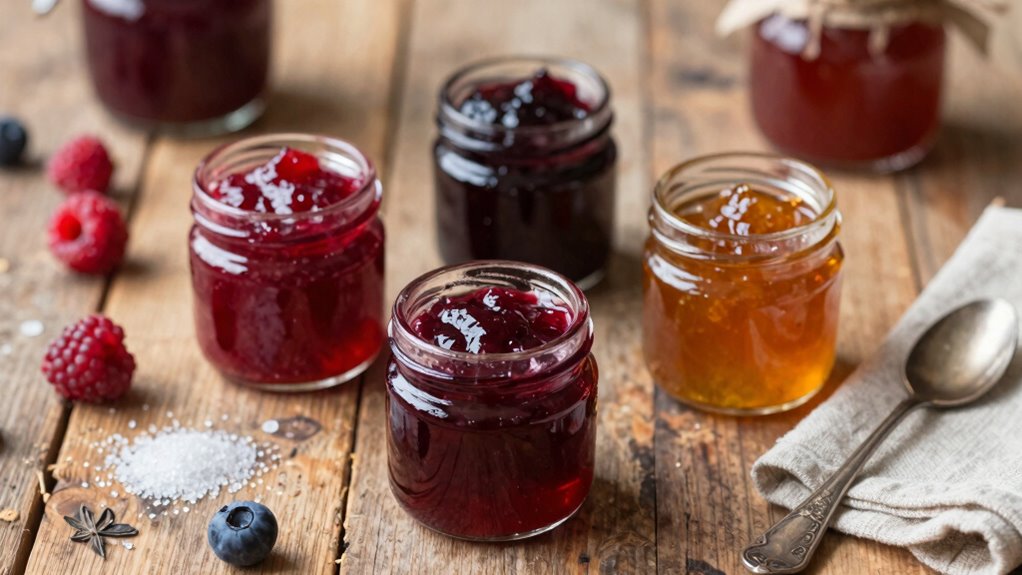

“Small batch” typically suggests handcrafted quality and exclusivity, but it doesn’t guarantee superior standards or ethical production. It’s often used to highlight care, skill, and unique features, but some brands may use it as a marketing tactic. To truly understand what’s behind the label, you need to look into the production methods and the company’s practices. If you want to discover what really makes these products special—and what to watch out for—keep exploring.

Get baking supplies delivered free — and shop member deals
- Fast, free delivery on millions of items
- Access to Prime Big Deal Days deals on October 6–7
- Prime Video, Amazon Music and more included
Key Takeaways
- “Small batch” indicates limited production but doesn’t guarantee higher quality or ethical manufacturing.
- It emphasizes craftsmanship and tradition but can be used as a marketing tool for exclusivity.
- Variations between batches add character but don’t ensure superior taste, authenticity, or sustainability.
- Authenticity requires understanding production methods and researching company practices beyond labels.
- Informed choices involve questioning how products are made and aligning purchases with personal values.
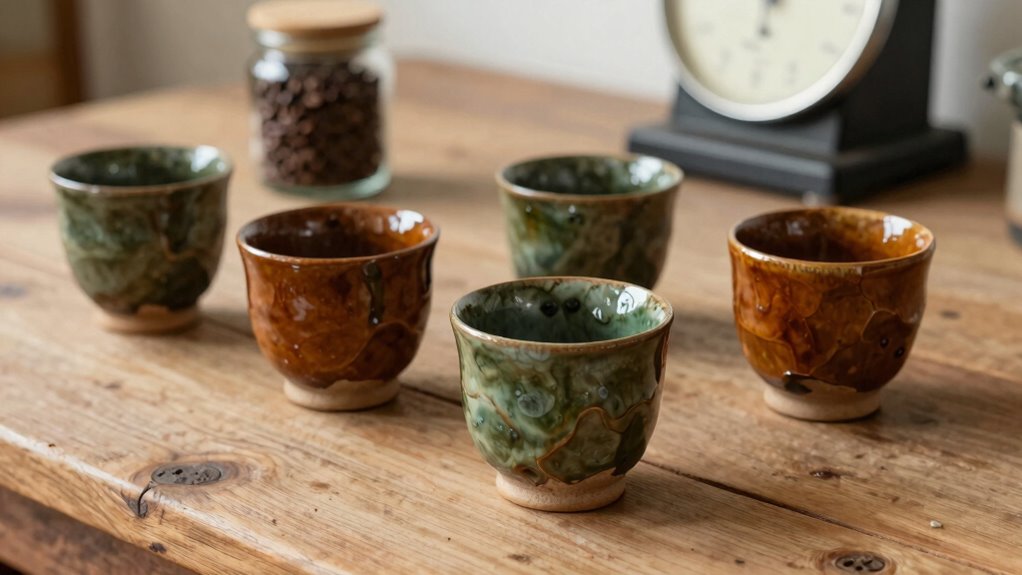
Have you ever wondered what “small batch” really means? It’s a term that’s become popular in food, beverage, and other craft industries, but its true importance often gets lost in marketing hype. When you see “small batch,” it generally indicates a product made in limited production, but that doesn’t automatically guarantee quality or authenticity. Instead, it suggests a focus on artisan craftsmanship—careful, deliberate processes that prioritize quality over quantity. Small batch production often involves handcrafted techniques, where artisans pay close attention to every detail, ensuring each item is unique and carefully curated. This approach contrasts sharply with mass-produced goods, which are often made on assembly lines with standardized methods.
One of the key messages behind “small batch” is that the product is made in a way that values craftsmanship and tradition. When you’re buying a small batch item, you’re likely getting something that’s been produced with more care, skill, and attention than items churned out by large factories. The limited production means fewer units are made, which allows artisans to maintain higher standards and focus on quality control. This doesn’t mean that every small batch product is perfect, but it does suggest an emphasis on creating something more refined, often with more distinctive flavors, textures, or features. The idea is that each batch has its own character, sometimes even slight variations, which add to its charm and authenticity.
However, it’s important to understand what “small batch” doesn’t guarantee. It doesn’t automatically mean the product is superior or more ethically produced. The label can be used as a marketing tool to evoke a sense of exclusivity or craftsmanship, even if the actual production process isn’t notably different from larger-scale operations. It’s also not a guarantee of organic, sustainable, or fair-trade practices—those are separate considerations you should look into if those factors matter to you. Additionally, understanding the production methods involved can help you better evaluate the true quality of the product. Recognizing the artisan techniques used can further distinguish genuinely crafted products from those that merely adopt the terminology for marketing appeal. Being aware of the regulatory standards can also help you identify products that meet recognized quality benchmarks and are more likely to align with your values. Moreover, researching the company’s reputation can provide insights into their commitment to transparency and ethical practices.
Furthermore, examining quality standards can help ensure that “small batch” products meet your expectations and align with your values. In essence, “small batch” signals a focus on limited production and artisan craftsmanship, but it’s up to you to look beyond the label. Ask questions about how the product is made, who makes it, and what standards they follow. This way, you can truly appreciate the value behind the term and ensure you’re supporting products that align with your values and expectations.
Frequently Asked Questions
How Is “Small Batch” Production Defined Across Different Industries?
You’ll find “small batch” production defined differently across industries, but it generally involves limited artisanal craftsmanship and tighter production logistics. In food, it means fewer units, emphasizing quality. For beauty products, it highlights handmade processes. In spirits, it signifies smaller distillations for better flavor control. Across sectors, “small batch” signals a focus on detail, quality, and careful craftsmanship, while logistics remain manageable and less automated.
Does Small Batch Necessarily Mean Higher Quality?
Small batch doesn’t automatically mean higher quality, but it often enhances the luxury appeal and exclusivity factor. When products are crafted in limited quantities, attention to detail tends to increase, making each item feel more special. This rarity can elevate perceived value, but quality depends on craftsmanship and materials. So, while small batch might suggest a premium experience, it’s essential to assess the actual craftsmanship rather than rely solely on the label.
Are Small Batch Products More Environmentally Friendly?
Absolutely, small batch products are more eco-friendly—if you believe that limited production automatically means sustainability. In reality, eco-conscious manufacturing and sustainable packaging vary widely; some small batch brands prioritize these, while others skip them altogether. So, don’t assume small batches are green by default. Instead, check their practices—because true eco-friendliness depends on conscious choices, not just the size of the batch.
How Does Small Batch Affect Pricing and Affordability?
Small batch products tend to be pricier because of limited production runs, which reduce economies of scale. This affects affordability, making them less accessible to some consumers. You’ll often find pricing transparency with small batches, highlighting their premium nature. Market exclusivity also plays a role, as limited availability enhances desirability and allows brands to set higher prices, emphasizing quality over quantity.
Can Small Batch Production Scale up Easily?
Like a vintage radio, small batch production isn’t built for quick scaling. While you can increase output, it’s not always seamless because of limited supply chain flexibility and the focus on mass customization. Scaling up often requires significant adjustments, risking quality and efficiency. If you want to grow, you’ll need to invest in infrastructure and processes that support larger runs without losing the personalized touch small batch is known for.
Conclusion
So, when you see “small batch,” think of it as a secret garden—carefully cultivated, bursting with unique flavors, and crafted with love. It’s not just a label; it’s an invitation to savor something rare and authentic. But remember, behind that quaint facade, quality can vary. Trust your senses and dig deeper. Because in this small world, the real treasure lies in the stories and craftsmanship woven into every batch, waiting for you to discover.
Fall Picks
fall essentials
As an affiliate, we earn on qualifying purchases.