
Your ice cream maker should produce a gentle hum or low whir during operation, indicating everything is functioning properly. If you hear rattling, grinding, or banging sounds, it might signal loose parts, trapped debris, or mechanical issues. Larger ingredients can increase noise but shouldn’t be excessively loud. Factors like improper alignment or buildup can also cause trouble. To keep your machine running smoothly, learn the key signs that distinguish normal from problematic sounds—more details await.

Get baking supplies delivered free with Prime
- Fast, free delivery on millions of items
- Prime Video, Amazon Music and more included
- Member-only deals all year
Key Takeaways
- Normal operating sounds include a gentle hum or low whirring; abnormal noises like rattling or grinding indicate issues.
- Increased noise from chunky ingredients or overloading is common but should not be excessively loud or persistent.
- Mechanical problems may cause rattling, banging, or grinding sounds, signaling loose parts or trapped debris.
- Vibrations, high-pitched noises, or loud motor sounds suggest motor strain or imbalance needing inspection.
- Regular cleaning, proper storage, and correct paddle-bowl alignment help prevent noise-related mechanical issues.
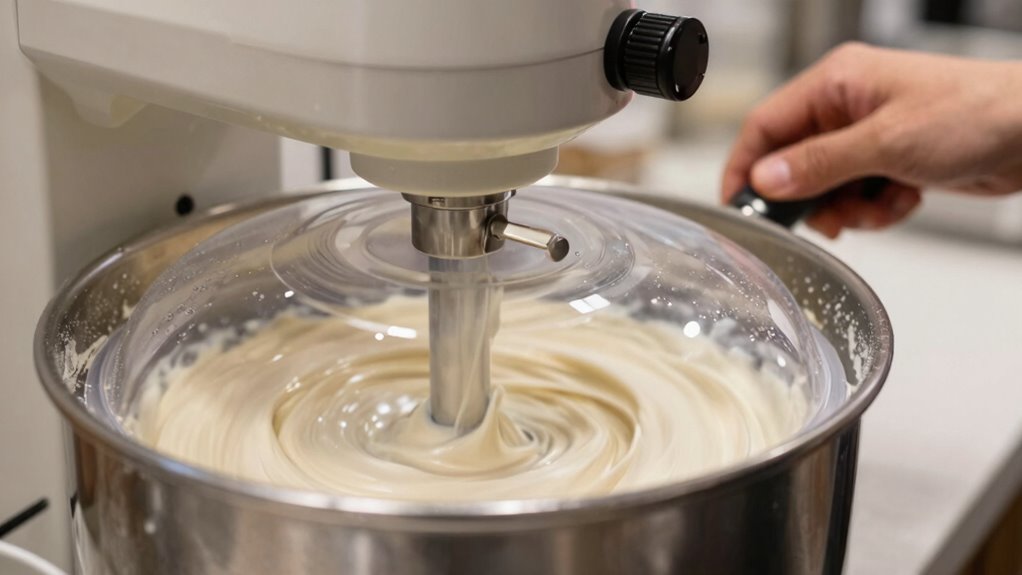
If your ice cream maker is making more noise than you’d like, it can quickly become a source of frustration rather than enjoyment. While some noise is normal during operation, loud or unusual sounds might signal a problem. Understanding what’s normal and what’s cause for concern can help you troubleshoot effectively. Typically, during the churning process, you’ll hear a gentle hum or a low whirring sound from the motor. This noise indicates the machine is working properly. If you notice rattling, grinding, or banging, it could mean parts are loose or something is obstructing the paddles. In that case, turn off the machine and inspect for any loose components or trapped debris.
Another factor that influences noise levels is the type of ice cream you’re making. For example, recipes with larger or chunkier ingredients, like nuts or chocolate chips, tend to create more noise as they get mixed in. This isn’t necessarily a problem unless the noise becomes excessively loud or sounds abnormal. If you’re experimenting with flavors, be aware that different ingredients can alter the sound profile of your machine. When trying out new flavors, it’s helpful to keep an ear out for any unusual sounds that could indicate overloading or imbalance. Consistently loud or high-pitched noises might suggest that your motor is straining, which could lead to damage over time. Additionally, understanding the noise levels that are normal for your specific model can help you differentiate between regular operation and potential issues. Proper storage tips can also help maintain your ice cream maker’s functionality and reduce noise issues. Keep the machine in a dry, stable spot away from vibrations or uneven surfaces that could amplify sounds during operation. Regularly cleaning the paddles, bowl, and motor housing prevents buildup of residue that might cause noise or friction. Ensuring proper alignment of the paddles and bowl not only reduces vibrations but also helps prevent unnecessary wear and noise over time. If you notice your machine is noisier than usual, check the alignment of the paddles and the bowl. Misalignment can create abnormal vibrations and sounds, so ensuring everything is fitted tightly can make a difference. Additionally, consulting the user manual for your specific model can provide valuable guidance on normal noise levels and troubleshooting tips. Being aware of possible motor strain can help you identify when your machine is under stress and needs a break or adjustment.
As an affiliate, we earn on qualifying purchases.
Frequently Asked Questions
How Long Should an Ice Cream Maker Run During Each Cycle?
You should run your ice cream machine for about 20 to 30 minutes per cycle. During this time, the sound levels will increase as the mixture freezes and churns. Keep an ear out for unusual noises or excessive vibrations, which can indicate trouble. Normally, the machine runs smoothly with consistent sounds. If it’s noisy or sounds strained before the cycle ends, stop it and check for issues.
Can External Temperatures Affect the Noise Level of the Machine?
External influence, like temperature impact, can definitely affect your ice cream maker’s noise level. When ambient temperatures are high, your machine might work harder, leading to increased noise. Conversely, cooler temperatures can make it run more quietly. So, it’s normal for your ice cream maker’s noise to fluctuate slightly depending on external temperatures. Keep an eye on this, and if the noise becomes unusually loud or strange, it might signal a problem.
Is It Normal for the Motor to Smell During Operation?
It’s not normal for your ice cream maker’s motor to smell during operation. If you notice unusual odors, it could indicate motor overheating or electrical issues. Overheating can cause a burnt smell, signaling you should turn off the machine to prevent damage. Persistent smells suggest there’s a problem needing professional inspection or repair. Always monitor for these signs and avoid using the machine if you detect any strange odors.
How Often Should I Lubricate or Maintain My Ice Cream Maker?
Think of your ice cream maker as a finely-tuned orchestra that needs regular tuning. You should lubricate the motor and check for dust accumulation every few months to keep the performance smooth. Proper motor lubrication reduces friction, preventing overheating, while cleaning away dust guarantees efficient operation. Regular maintenance, about twice a year, helps your machine stay in harmony, producing delicious ice cream without a hitch.
What Noise Level Indicates a Serious Mechanical Failure?
A loud, grinding, or screeching noise from your ice cream maker indicates a serious mechanical failure. You should check for issues like poor sound insulation or vibration reduction, which can amplify abnormal sounds. If the noise persists despite these factors, turn off the machine immediately. Excessive noise often signals motor problems, worn bearings, or broken parts that require professional repair or replacement to prevent further damage.
Conclusion
In the gentle hum of your ice cream maker, a little background music is perfectly normal—like a cozy whisper of excitement. When sounds become unexpectedly loud or unusual, it’s like a sudden gust of wind that hints at a hidden story. By tuning in to these subtle cues, you can keep your chilly adventure smooth and delightful. After all, a happy machine makes for the sweetest treats, turning every scoop into a little celebration.
Fall Picks
fall essentials
As an affiliate, we earn on qualifying purchases.