
TL;DR
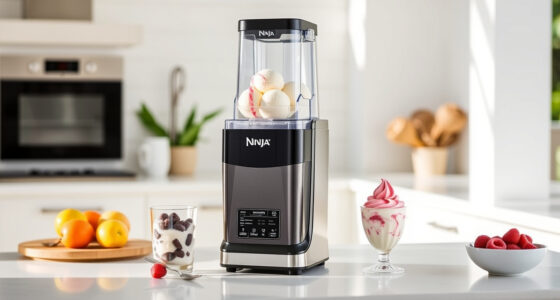
Ice cream maker machines freeze a chilled mixture while stirring it, which breaks up ice crystals and incorporates air for a smoother texture. A freezer-bowl model suits occasional batches if you can freeze the bowl ahead; a compressor model suits frequent or back-to-back batches, while manual makers trade convenience for hands-on fun. Chilling the base, following fill limits, and storing the finished dessert in a covered container all matter as much as the machine.
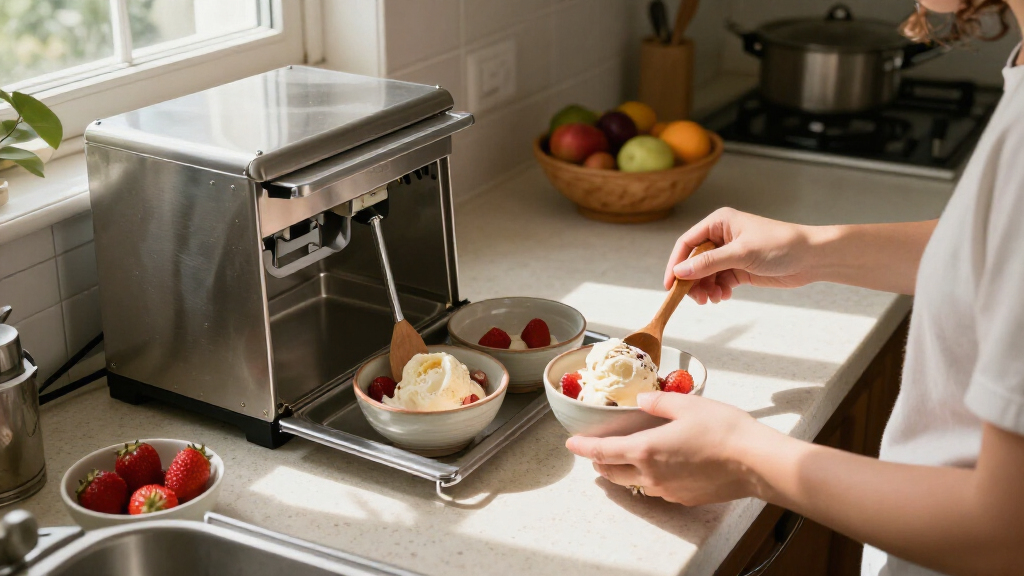
A bowl of homemade ice cream can start with one small surprise: the machine does not do all the freezing for you. Most home ice cream makers churn a cold mixture for about 20–40 minutes, then leave you with a soft dessert that firms up in the freezer.

Get baking supplies delivered free with Prime
- Fast, free delivery on millions of items
- Prime Video, Amazon Music and more included
- Member-only deals all year
That distinction helps you choose the right machine and plan a batch that fits your evening. You’ll learn how the main machine types differ, what to check before buying, and how temperature and ingredients shape the final texture. Imagine making lemon sorbet for Saturday lunch: the right setup could be as simple as freezing a bowl overnight and chilling the base while you sleep.
Think of the machine as a chilly dance partner: it keeps the base moving while it freezes. The result depends on the recipe and your preparation too, which is why a modest machine can make a lovely dessert when you use it well.
Freezer-bowl machines need advance freezing; compressor machines chill the mixture themselves and can suit consecutive batches.
Most home machines churn for around 20–40 minutes and leave a soft dessert that firms up in the freezer.
Compare usable batch size, kitchen space, noise, cleanup, and preparation time before focusing on headline capacity.
Chill the base, follow fill limits, and use a covered container to improve texture and storage.
Dairy-free bases behave differently, so use recipes designed for them and check labels for allergens.
How ice cream maker machines turn a cold base into dessert
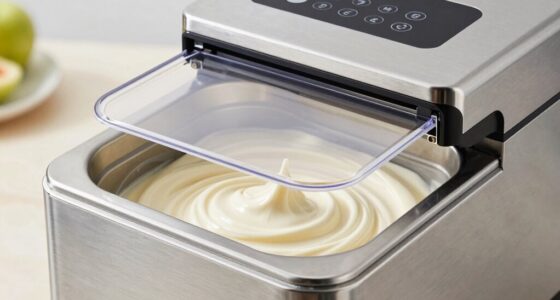
Ice cream maker machines freeze a chilled mixture while stirring it, breaking up ice crystals and incorporating some air as the base thickens. Without that movement, water in the mixture freezes in larger crystals, giving the dessert a coarse, icy feel. Stirring keeps the crystals smaller and distributes air, so the texture becomes smoother and lighter. The machine shapes the texture, while the recipe and starting temperature determine how much it can improve.
For a practical example, chill a vanilla base in the refrigerator before churning. A cold base starts closer to freezing, so the machine has less heat to remove and can spend more of the cycle freezing the mixture evenly. If you pour in a warm base, the bowl has to do extra work; the batch may take longer to thicken, and the extended wait can leave more time for larger ice crystals to form. Chilling is especially useful with a freezer-bowl model, whose cold reserve is limited.
Most home machines do not finish the job to firm, commercial-style scoopability. Churning incorporates air and freezes part of the mixture, but the dessert often comes out soft because it has not spent enough time at a consistently low temperature to firm throughout. Spoon it into a covered freezer-safe container and let it harden further. The machine’s paddle is like a tiny snowplow, keeping ice crystals moving before they can clump together.
Recipes matter just as much. Fat coats the palate and can make a dessert feel richer, while sugar lowers the freezing point and helps it stay scoopable. Too much water, as in some fruit mixtures, can form larger crystals unless the recipe balances it with sugar or other ingredients. A fruit sorbet may therefore need a different balance from a rich custard base. Once you understand that the machine controls movement and cooling while the recipe controls much of the softness and richness, the type of machine becomes easier to choose.
Products Worth Considering

De'Longhi Magnifica Start Automatic Espresso Machine with Milk Frother, Silver

Vitamix Nano Personal Blender with SmoothiePilot Technology, Black

KitchenAid 5.5 Qt Bowl-Lift Stand Mixer – Porcelain White (KSM55SXXX)
As an affiliate, we earn on qualifying purchases.
Choose between freezer-bowl, compressor, and manual machines
Ice cream maker machines come in several types, and the main difference is how they get cold and how much prep they ask of you. That difference affects more than convenience: it determines when you can make dessert, how many batches fit into one session, and how much space the appliance occupies. Freezer-bowl models need advance freezing, compressor models refrigerate the mixture themselves, and manual makers rely on your effort, often with ice and salt. Soft-serve machines and freeze-first processors follow different workflows.
| Type | What to plan for | Good fit |
|---|---|---|
| Freezer-bowl | Freeze the removable bowl, often overnight | Occasional batches and compact storage |
| Compressor | More counter and storage space; higher cost | Frequent or back-to-back batches |
| Manual or hand-crank | Ice, salt, setup, and physical churning | Group activities and occasional use |
| Soft-serve | Different serving style and often a larger appliance | Soft, aerated portions |
Picture a freezer-bowl machine as a reliable friend who needs a heads-up: freeze its bowl the night before, and it’s ready for Sunday dessert. The tradeoff is scheduling and freezer space. If the bowl is not fully frozen, or you want a second flavor before it has refrozen, the machine may hold up your plans. A compressor machine is more spontaneous; you can usually start a batch without freezing a special bowl and may make another batch in succession. That convenience comes with a heavier, larger, more expensive appliance, so it makes most sense when you will use that flexibility often enough to justify the room and cost.
Manual makers can turn a family gathering into part of the fun, though someone has to do the cranking and manage the ice-and-salt setup. The hands-on process gives the group something to share, but it also makes a batch harder to fit into a quick, everyday routine. Meanwhile, some appliances marketed for frozen desserts first freeze a solid mixture, then process or shave it. They can make smooth individual portions, but they do not churn a liquid base the same way as a traditional maker. The best choice depends on whether you value advance planning, immediate flexibility, or the activity of making dessert together.
Check these five details before you buy
The right ice cream maker matches your habits, kitchen space, and batch size; a larger capacity or pricier motor does not automatically make a better purchase. The practical test is whether the machine removes enough friction from your usual dessert routine to make you use it. Before choosing, think about how often you’ll use the machine, whether you can freeze a bowl ahead, and where the appliance and its parts will live. A machine that fits your actual routine is more likely to leave the cupboard.
- How often you make dessert: Occasional batches may not justify a compressor model. If you churn only a few times a year, paying for built-in refrigeration means buying convenience you may rarely need.
- Where you’ll freeze or store it: A freezer bowl needs space to chill; a compressor machine needs storage room and ventilation. A bowl that cannot fit in your freezer turns advance prep into a recurring obstacle, while a heavy compressor model may be inconvenient to move every time you want a batch.
- Usable batch size: Mixture expands as it churns, so follow the fill guidance instead of filling a bowl to the brim. A large stated capacity can still be awkward if you need a small batch, while a small usable capacity may mean several cycles for a gathering.
- Cleanup and noise: Check removable parts, cleaning instructions, and how much sound you’ll tolerate in an open kitchen. Complicated cleanup can discourage frequent use, and noise matters more when you plan to run a machine near conversation or late in the evening.
- Cycle time and warranty: Compare the manufacturer’s guidance and what the warranty covers. A short advertised churn time does not include chilling the base or firming the finished dessert, so consider the whole timeline.
Here’s a real kitchen tradeoff: you might have room for a compact freezer-bowl model, but no spare freezer shelf to chill its bowl overnight. In that case, the cheaper machine may become a hassle. If you make two flavors for a family lunch, a compressor model’s ability to make batches consecutively may be worth the counter space. The value depends on whether those second batches are a regular need or an occasional exception.
Also check whether the machine suits sorbet or frozen yogurt if you want more than classic ice cream. Capacity labels can be misleading when they describe the bowl rather than the amount of base you can safely churn. Think through one typical dessert occasion before you buy: how many people you serve, how much freezer space you have, and when you would prepare the base. That scene will tell you more than a glossy feature list.
Get a smoother batch with four simple preparation steps
A well-chilled base and a fully frozen bowl help an ice cream maker work more evenly. Preparation will not guarantee perfect texture, but it gives the machine a better starting point and can prevent a batch from spending too long warming the bowl. For freezer-bowl models, the bowl needs to be thoroughly frozen; follow the maker’s instructions, since freeze times vary.
- Chill the base: Refrigerate the prepared mixture before churning. A cold base starts the process ahead of a warm one, reducing the cooling work the machine has to do.
- Check the bowl: Freeze it as directed, often overnight, if your model uses a freezer bowl. If the bowl is only partly frozen, it may lose its cooling power before the mixture thickens.
- Respect the fill line: Leave room for expansion as the mixture churns. An overfilled bowl can overflow or churn poorly because the paddle needs space to move the mixture.
- Finish in the freezer: Transfer the soft dessert to a covered container and freeze it until it reaches your preferred firmness. A shallow container can help it firm more evenly than a deep, tightly packed mass.
Suppose you’re making a small batch of strawberry frozen yogurt after work. Chilling the base in the morning and freezing the bowl overnight means you can start churning as soon as you get home. Most batches take around 20–40 minutes to churn, depending on the recipe, machine, and starting temperature; allow extra time afterward if you want firmer scoops. Planning for both stages keeps the serving time realistic.
If the result tastes icy or freezes rock-hard, look at the whole recipe and process. A warm base can prolong churning, too much water can create larger crystals, and insufficient churning can leave the mixture unevenly frozen. Long freezer storage can dry the surface or dull flavors. Sugar and fat also change softness, so a direct substitution may not behave like the original. Your machine is a helpful guide, but the ingredients still hold the map.
Know what newer frozen-dessert appliances can and can’t do
Modern frozen-dessert appliances serve a wider range of recipes and routines, from dairy-free scoops and high-protein treats to portion-sized desserts processed after freezing. That broader interest gives you more choices, but different workflows can produce different results. A freeze-first processor, for example, starts with a solid frozen mixture rather than churning a liquid base as it freezes. Because the mixture is frozen before processing, it can be convenient for portioning ahead, but it does not offer the same continuous churning process as a traditional maker.
Imagine you want one serving of oat-based chocolate dessert on a Tuesday night. A portion-focused appliance may suit that plan because you can freeze a small container ahead and process it when you want to eat. For a larger batch of classic vanilla ice cream, a traditional churner may fit better: it works on the base during freezing and can make several servings in one cycle. Neither approach is automatically superior; the useful comparison is how much you want to prepare ahead and how many people you serve at once.
Dairy-free recipes can use coconut, oat, soy, nut, or other bases, but each behaves differently. Fat content affects richness and softness, while water content can affect iciness, so swapping one milk for another may change both texture and flavor. A recipe designed for oat milk may not work the same way if you swap in coconut milk, which has a different fat content and flavor. Check ingredient labels for allergens, especially when using nut or soy products, and keep utensils and storage containers clean if someone at home has a food allergy.
Features and model availability change, so verify current specifications with the manufacturer before buying. Pay particular attention to serving size, processing steps, cleaning guidance, and whether the appliance requires advance freezing. Those details reveal the time and effort each batch actually needs, helping prevent a mismatch between the dessert you imagine and the routine the appliance demands.
Keep homemade ice cream safe and pleasant to eat
Store homemade ice cream covered in a continuously cold freezer, and follow safe handling practices for the ingredients you use. Texture and flavor are generally best in the first few days, though proper frozen storage can keep the dessert safe longer. Over time, air and shifting temperatures can dull flavors and leave the surface dry or icy. A tight cover and steady freezer temperature help limit both effects.
For example, if you churn ice cream for Saturday dinner, transfer it promptly to a clean, covered, freezer-safe container and return it to the freezer. Avoid leaving the dessert on the counter while everyone finishes dinner; serve what you need, then put the container back. Repeated warming and refreezing can soften the dessert unevenly and encourage ice crystals to grow. If the base contains eggs or dairy, handle and refrigerate it according to food-safety guidance and the recipe instructions.
Cleaning matters too. Wash removable parts as the manual directs, and keep the motor base and electrical components dry. A freezer bowl may need to thaw before washing; forcing or scraping frozen parts can damage them. Think of cleanup as the final step in the recipe: a clean bowl and paddle are ready for your next batch.
For a party, label containers with the flavor and date, especially if you make several varieties or use common allergens such as milk, eggs, soy, or nuts. That small note helps guests choose safely and lets you rotate older batches first. Good storage protects both the dessert’s texture and the people sharing it.
Frequently Asked Questions
Do I need to freeze the bowl before using an ice cream maker?
Only freezer-bowl models need a pre-frozen bowl. Follow the manufacturer’s instructions for how long to freeze it. Compressor models use built-in refrigeration and do not require you to freeze a separate bowl.
How long does homemade ice cream take?
Churning commonly takes around 20–40 minutes, depending on the machine, recipe, and starting temperature. The result is often soft, so plan extra freezer time if you want firmer scoops. A well-chilled base can help the process run more evenly.
Why did my homemade ice cream turn icy or too hard?
A warm base, excess water, insufficient churning, or long freezer storage can contribute to icy texture. Sugar and fat affect softness, so changing ingredients can change the result. Chill the base and use a recipe suited to your ingredients.
Can I make dairy-free ice cream in a home machine?
Yes. Many recipes use coconut, oat, soy, nut, or other bases, but each has different properties. Start with a recipe designed for that base, and check labels for allergens such as soy or nuts.
Is a compressor ice cream maker worth the extra cost?
A compressor model can suit you if you make frozen desserts often or want to churn batches in succession without pre-freezing a bowl. For an occasional weekend batch, a freezer-bowl model may offer enough convenience at a lower cost. Consider the extra size, weight, and storage space too.
How much ice cream can an ice cream maker make?
Capacity varies by model, and the mixture expands as it churns. Follow the fill guidance instead of filling the bowl to the brim; the stated bowl capacity may exceed the usable batch size. Check the manual for the recommended amount of base.
Conclusion
Choose an ice cream maker by the dessert routine you’ll actually use: a freezer-bowl model for planned, occasional batches; a compressor model for frequent, flexible churning; or a manual maker when the process itself is part of the fun. Chill the base, respect the fill line, and give the finished dessert time in the freezer.
Then let the paddle do its quiet work. Soon your kitchen can smell of vanilla, citrus, or ripe berries, and the first scoop will tell you whether you planned well.