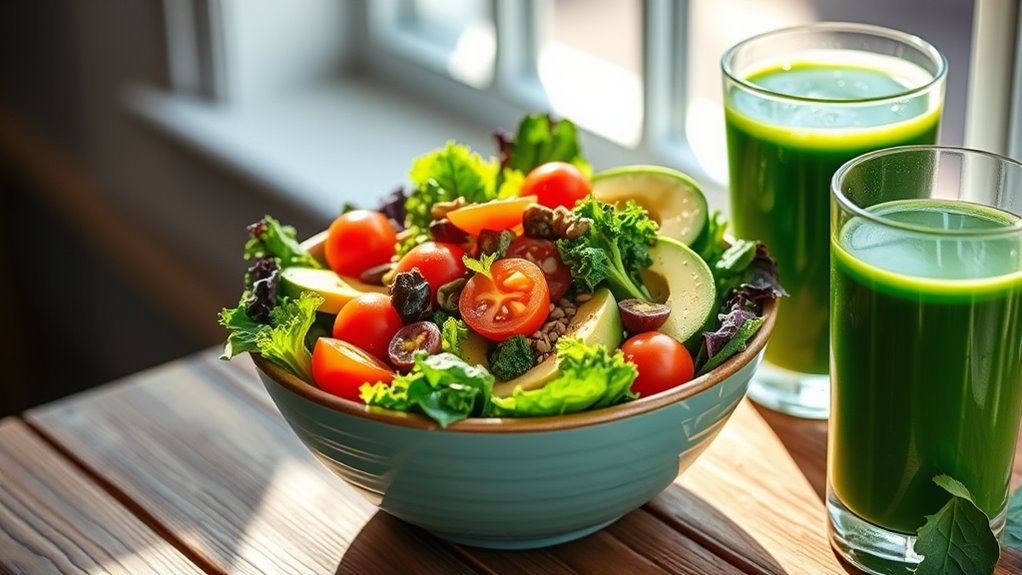

Just because you’re eating vegan doesn’t automatically mean you’re healthy. Many vegan products are highly processed, loaded with refined sugars, unhealthy fats, and artificial ingredients. These foods can cause nutrient gaps, weight gain, and inflammation, even though they don’t contain animal products. Focusing on whole foods like fruits, vegetables, nuts, and legumes is key to true health. Stay with us to uncover how to make smarter, more nourishing vegan choices.
Key Takeaways
- Vegan labels can be misleading; not all vegan foods are nutrient-dense or healthy choices.
- Processed vegan snacks often contain high sugars, unhealthy fats, and artificial ingredients.
- Whole, minimally processed foods like fruits, vegetables, nuts, and legumes are essential for a truly healthy vegan diet.
- Reading labels and ingredient lists is crucial to avoid hidden unhealthy additives in vegan products.
- A balanced vegan diet depends on quality food choices, not just avoiding animal products or relying on marketed vegan options.
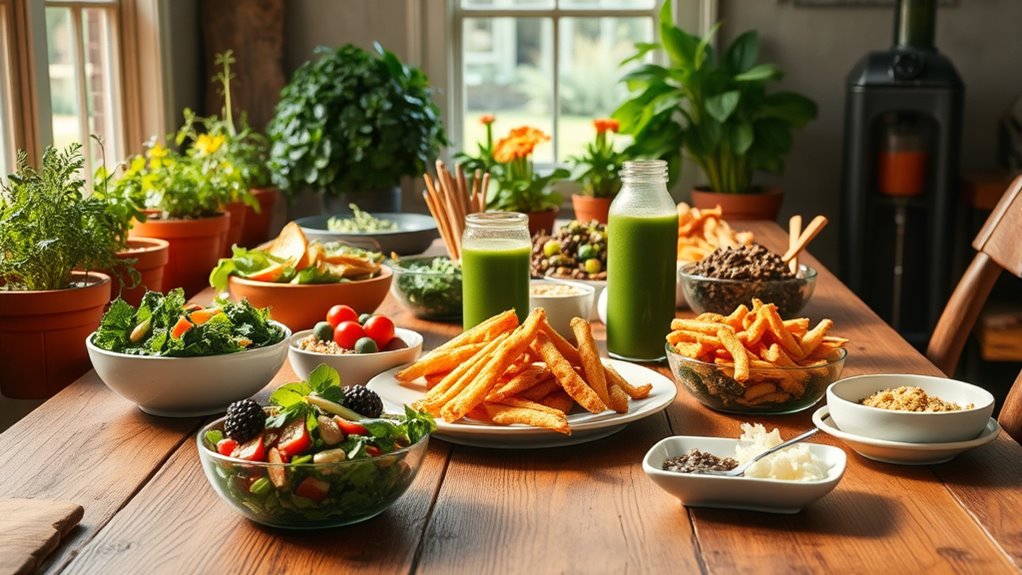
Many people assume that going vegan automatically means they’re eating healthily, but that’s not always the case. It’s easy to fall into the trap of equating plant-based diets with healthfulness, especially when products are marketed as “vegan” or “plant-based.” The truth is, not everything labeled as vegan is nutritious. In fact, many processed snacks are vegan but packed with refined sugars, unhealthy fats, and artificial ingredients. These foods can be just as detrimental as their non-vegan counterparts, contributing to weight gain, inflammation, and other health issues. It’s a common plant-based myth that simply eliminating animal products guarantees good health, but what you eat matters just as much as what you avoid.
Eating vegan doesn’t automatically mean eating healthy—many processed vegan foods can be just as harmful as non-vegan options.
Processed snacks often serve as quick, convenient options, and their vegan labels make them seem like healthier choices. However, many of these snacks are highly processed, stripping away natural nutrients and adding preservatives, flavorings, and additives. Relying heavily on these foods can lead to nutrient deficiencies and undermine your health goals. Instead of reaching for processed vegan chips or cookies, focus on whole foods like fruits, vegetables, nuts, seeds, and legumes. These not only provide essential nutrients but also help maintain energy levels and support overall well-being. Recognizing that “vegan” doesn’t automatically mean “healthy” is key to making better choices.
There’s also a lot of misinformation surrounding plant-based diets. Many plant-based myths suggest that all vegan foods are inherently healthy or that you can eat unlimited amounts of processed vegan foods without consequences. This is misleading. Just because a product is vegan doesn’t mean it’s free from unhealthy ingredients. Reading labels and understanding ingredient lists becomes essential if you want to truly nourish your body. It’s tempting to assume that vegan snacks are guilt-free, but the reality is that some can be just as processed and calorie-dense as junk food. Being mindful of what’s in your food helps you avoid falling into the trap of equating vegan with healthy without question.
Ultimately, adopting a vegan diet requires more than just removing animal products. It demands awareness of what you’re putting into your body, especially when it comes to processed foods. Don’t let the marketing fool you into thinking that all vegan options are healthy. Instead, prioritize whole, minimally processed foods and question the myths surrounding plant-based eating. Your health depends on making informed choices, not just following trends or labels. Remember, a balanced vegan diet is built on nutrient-dense foods, not processed snacks that may look healthy but aren’t necessarily good for you. Incorporating uncooked, minimally processed foods can help ensure you’re getting the nutrients your body needs.
Frequently Asked Questions
Can Vegan Processed Foods Be Unhealthy?
Yes, vegan processed foods can be unhealthy. Many vegan junk foods contain high levels of plant-based additives, preservatives, and refined ingredients that may harm your health if consumed excessively. Just because they’re plant-based doesn’t mean they’re nutritious. Be mindful of these processed options and read labels carefully, as they can be loaded with unhealthy fats, sugars, and artificial ingredients that outweigh their vegan benefits.
Are All Vegan Options Low in Calories?
Not all vegan options are low in calories; some can sneak up on you like a wolf in sheep’s clothing. Your food choices shape your energy, so check the calorie content behind each label. Just because a dish is plant-based doesn’t mean it’s light or guilt-free. Be mindful of high-calorie vegan foods, and aim for nutrient-dense options, so your plate fuels you, not weighs you down.
Do Vegan Diets Lack Essential Nutrients?
Vegan diets can sometimes lead to nutrient gaps and dietary deficiencies if you don’t plan carefully. You might lack essential nutrients like vitamin B12, iron, omega-3 fatty acids, and protein. To avoid these issues, you need to include fortified foods, supplements, and a variety of plant-based sources. Staying mindful of your nutrient intake helps guarantee your vegan diet remains balanced and healthy.
How Can Vegans Ensure Balanced Protein Intake?
Imagine your plate as a vibrant mosaic—you’re the artist. To guarantee balanced protein intake, include diverse plant-based proteins like beans, lentils, tofu, and quinoa. These are rich in essential amino acid sources, filling in nutritional gaps. By mixing these foods throughout the day, you create a complete amino acid profile, much like a symphony, ensuring your body gets all it needs to thrive.
Are Vegan Snacks Generally More Nutritious Than Non-Vegan Snacks?
Vegan snacks aren’t necessarily more nutritious than non-vegan ones. They often contain plant-based sugars and additives that can be high in processed ingredients. When choosing snacks, you should check labels for added sugars and vegan additives, as some may be less healthy. Focus on whole, minimally processed options to truly benefit from plant-based nutrition, rather than assuming vegan snacks automatically offer better nourishment.
Conclusion
Remember, choosing vegan doesn’t automatically make you healthy—it’s like believing a book is good just because it’s shiny on the cover. You need to look beyond labels and focus on whole, nourishing foods. Don’t let the green label fool you into thinking it’s all good; sometimes, what’s inside matters more than what’s on the outside. So, stay curious, read the ingredients, and make choices that truly nourish your body—because health isn’t a label, it’s a lifestyle.