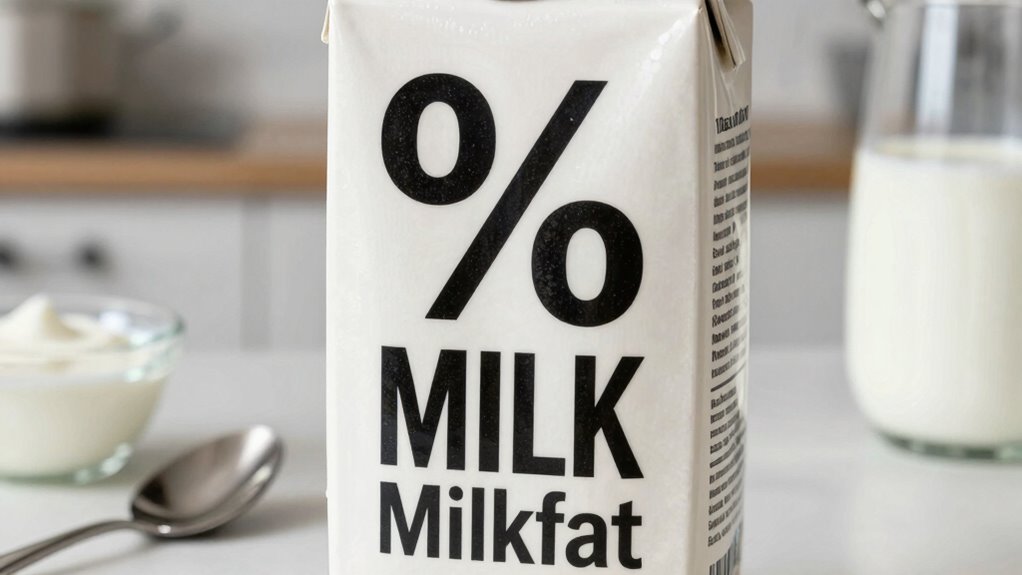

When you see milk labels with percentages like 1%, 2%, or whole milk at 3.25%, it shows the fat content you’re getting. Dairy standards set specific ranges, so understanding these helps you choose based on taste or diet. Tests like Gerber or Babcock determine these numbers, and knowing which method was used can help you interpret the info accurately. Keep going, and you’ll discover even more about making smart dairy decisions.

Get baking supplies delivered free — and shop member deals
- Fast, free delivery on millions of items
- Access to Prime Big Deal Days deals on October 6–7
- Prime Video, Amazon Music and more included
Key Takeaways
- Milkfat percentages are labeled directly on packaging, such as “1%” or “Skim,” indicating the fat content relative to total volume.
- Understand that dairy standards define specific fat ranges for different milk types to ensure consistency.
- Testing methods like Gerber or Babcock determine actual fat content, helping verify label accuracy.
- Recognize that actual fat percentages may vary slightly due to processing or regulatory factors.
- Use knowledge of fat content to choose suitable milk for dietary needs, taste preferences, or specific uses like coffee.
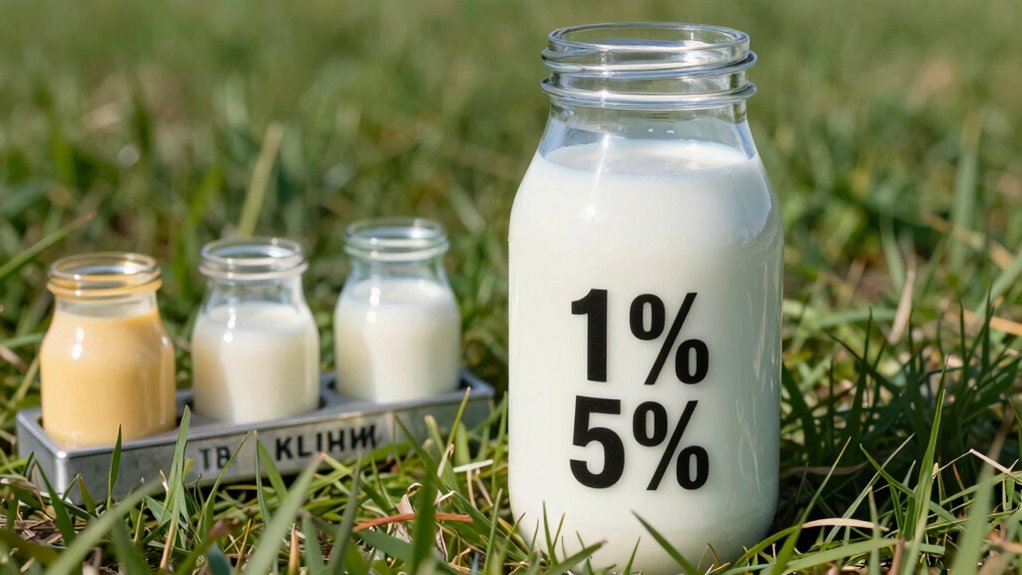
Have you ever wondered why milk varies in richness? The difference lies mainly in its milkfat content, which impacts everything from taste to nutritional value. To understand these variations, you need to get familiar with how milkfat percentages are measured and what they really mean. The dairy industry standards set specific guidelines to classify milk based on its fat content, ensuring consistency across products. These standards specify exact ranges for whole, skim, and reduced-fat milk, helping consumers make informed choices. For example, whole milk generally contains about 3.25% milkfat, while skim milk has less than 0.5%. Knowing these standards allows you to compare products accurately and understand what you’re purchasing. Additionally, understanding biodiversity in dairy farming can shed light on how sustainable practices influence milk quality and composition.
When it comes to reading milkfat percentages, understanding the milkfat testing methods is key. Dairy producers use several techniques to determine the amount of fat in milk, with the most common being the Gerber method and the Babcock test. These tests involve separating the fat from the liquid and measuring it precisely. The Gerber method uses sulfuric acid to digest the milk, releasing the fat, which is then measured with a special centrifuge. The Babcock test, historically popular, involves adding sulfuric acid to the milk sample in a graduated tube, which causes the fat to separate and float to the top, where it can be measured directly. Both methods are reliable, but the Gerber method is often preferred today due to its safety and ease of use.
As you look at milk labels, you’ll notice percentages that tell you the milkfat content. A label might say “1% milk,” indicating it contains approximately 1% milkfat. But it’s not just about the number; you should also consider how the testing was done and whether the product adheres to dairy industry standards. Keep in mind that some brands may slightly vary in their fat content due to differences in processing or local regulations, but overall, the percentages should fall within the standard ranges. By understanding milkfat testing methods and what the percentages mean, you can make smarter choices based on your taste preferences or dietary needs. Whether you’re choosing a cream for coffee or a low-fat option, knowing how to read these percentages helps you select the right product confidently.
As an affiliate, we earn on qualifying purchases.
Frequently Asked Questions
How Does Milkfat Content Affect Taste and Texture?
Higher milkfat content boosts creamy richness, making your dairy products smoother and more indulgent. It also enhances flavor, providing a richer, more satisfying taste experience. When you choose milk with more fat, you notice a silkier texture and a fuller flavor profile, perfect for recipes or enjoying on its own. Lower fat options tend to be lighter and less flavorful, so your choice directly impacts the taste and texture you enjoy.
Are There Health Benefits to Higher or Lower Milkfat?
Higher milkfat can offer more calories and fat-soluble vitamins, which might benefit your nutritional intake if you need extra energy or nutrients. Conversely, lower-fat options contain fewer calories and saturated fats, aligning better with certain dietary considerations like heart health or weight management. Your choice depends on your health goals and nutritional needs. Always consider the broader nutritional differences and consult with a healthcare professional if you’re unsure about what’s best for you.
How Is Milkfat Percentage Regulated or Standardized?
The dairy industry standards regulate milkfat percentages through strict quality control, ensuring consistency across products. You’ll find that fat testing methods like Gerber or Babcock tests accurately measure milkfat content. These standards set minimum and maximum limits, so producers must adhere to them. As a consumer, understanding these regulations helps you trust that the milk you buy meets safety and quality guidelines, maintaining transparency in the dairy market.
Can Milkfat Percentages Vary Between Different Milk Brands?
Yes, milkfat percentages can vary between different brands due to brand differences and regional variations. You’ll notice some brands offer higher fat content, like cream, while others aim for lower-fat options. These differences often depend on production methods and regional dairy standards. Always check the label to compare milkfat percentages, so you can choose the product that best meets your dietary preferences and nutritional needs.
What Are the Best Uses for Different Milkfat Levels?
Think of milkfat levels as a toolkit for your culinary adventures. High-fat milk, ideal for cream separation, shines in rich desserts and whipping cream, turning simple ingredients into luscious treats. Medium fat suits butter making, offering a perfect balance for spreads and baked goods. Low-fat milk, with its lighter touch, works well in smoothies and cereal. Choosing the right fat level transforms your recipes from good to extraordinary.
Conclusion
Now that you know how to read milkfat percentages like a pro, think of it as tasting a fine wine—you’ll notice subtle differences that reveal its character. Just last week, I found myself comparing cream and skim milk, realizing the richness is like a well-crafted melody versus a simple tune. With this knowledge, you’re equipped to make smarter choices and savor every sip. Cheers to becoming a milkfat connoisseur—your taste buds will thank you!
Fall Picks
fall essentials
As an affiliate, we earn on qualifying purchases.