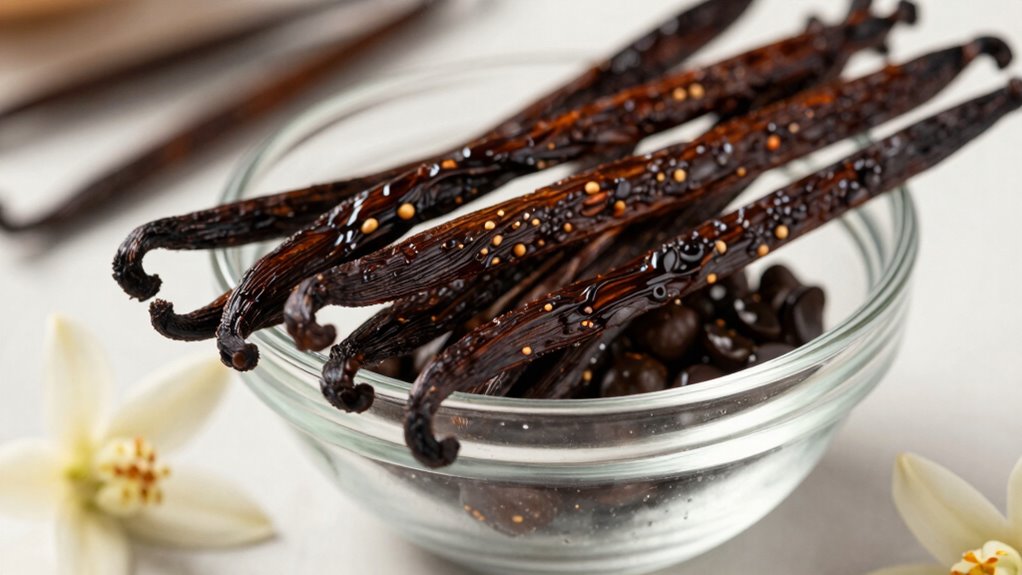
When you see “Made With Real Vanilla,” it means the product contains vanilla derived from natural sources, like vanilla beans soaked in alcohol. However, it can also include synthetic vanillin made in labs, which mimics vanilla flavor but lacks its complexity. This phrase doesn’t guarantee pure, natural vanilla. To better understand what you’re getting, it helps to learn how vanilla is processed and labeled, so you can choose the best for your taste and quality preferences.
Open a free Amazon Business account
Business pricing, bulk buying and tax-exempt orders.
As an affiliate, we earn on qualifying purchases.
Key Takeaways
- “Made With Real Vanilla” indicates vanilla presence but may include synthetic vanillin.
- It does not guarantee the vanilla is 100% natural or that the product is pure.
- Labels specifying “vanilla extract” or “pure vanilla” typically suggest natural ingredients.
- Synthetic vanillin mimics vanilla flavor but lacks complex aroma and depth.
- Understanding vanilla sources helps consumers choose higher-quality, authentic vanilla products.
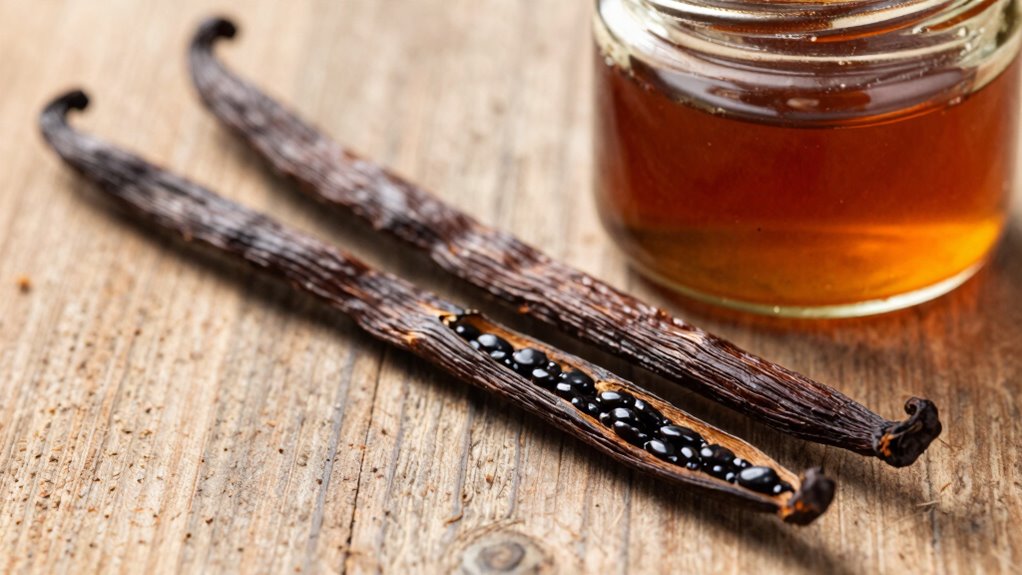
When you see the label “Made With Real Vanilla,” it might seem straightforward, but it actually carries a lot of nuance behind the scenes. At its core, this phrase indicates that the product contains vanilla derived from natural sources, typically through a process called vanilla extraction. Vanilla extraction involves soaking vanilla beans in alcohol and water, allowing the flavor compounds—mainly vanillin—to dissolve into the liquid. This process captures the rich, complex aroma and flavor profile unique to real vanilla beans, which is why many consumers prefer products labeled this way. However, the term can be a bit misleading if you don’t understand the full context, especially when considering the alternatives used in flavoring.
Many products that claim to be “Made With Real Vanilla” still contain a blend of natural vanilla extract and synthetic alternatives. Synthetic alternatives, or artificial vanillin, are often produced in labs using chemical processes that mimic the flavor of vanilla but lack the depth and complexity of the real thing. These synthetic vanillins are cheaper and more stable, making them popular in mass-produced items. When a product’s label states it is “Made With Real Vanilla,” it doesn’t necessarily mean it’s entirely free of synthetic alternatives. Instead, it often indicates that natural vanilla extract is present alongside or in combination with artificial flavoring. This can be confusing, especially if you’re seeking pure, authentic vanilla flavor.
Understanding vanilla extraction and synthetic alternatives helps you make better choices at the store. If you’re after the genuine, nuanced flavor of real vanilla, look for labels that specify “vanilla extract” or “pure vanilla bean extract.” These products are more likely to be made primarily from vanilla beans and less likely to contain synthetic vanillin. Additionally, being aware of labeling practices can help you identify products that truly prioritize natural ingredients. Meanwhile, products with vague labels or those that list “artificial flavor” alongside vanilla might rely heavily on synthetic alternatives. Recognizing these distinctions allows you to select products that match your taste preferences and values, whether you prioritize natural ingredients or are comfortable with a blend of both.
In addition, knowing about vanilla extraction can help you better understand the differences in flavor quality and value, guiding you toward more authentic options. In the end, “Made With Real Vanilla” is a marketing term that can be meaningful, but only if you understand what’s behind it. It’s about more than just the presence of vanilla; it’s about the quality and origin of that flavor. By paying attention to how vanilla is processed—whether through vanilla extraction or the use of synthetic alternatives—you can make more informed decisions, ensuring your food and treats meet your expectations for authenticity and flavor depth.
As an affiliate, we earn on qualifying purchases.
Frequently Asked Questions
How Is Vanilla Flavor Extracted for Products Labeled “Made With Real Vanilla”?
You’ll find vanilla flavor is typically extracted from the vanilla plant’s beans through a process called curing and extraction. The beans are soaked in alcohol or water, which pulls out their rich compounds, creating vanilla extract. This method captures the complex flavor profile of the vanilla plant, offering authentic, deep vanilla notes in products labeled “made with real vanilla,” ensuring you get that true vanilla essence in your food.
Are There Different Types of Vanilla Used in These Products?
You’ll find different types of vanilla in products labeled “made with real vanilla,” like Bourbon, Tahitian, and Mexican vanilla. Did you know that vanilla cultivation involves over 20,000 orchids to produce just one kilogram of vanilla beans? Each type comes from a distinct vanilla plant, offering unique flavors. Bourbon vanilla, for example, is known for its rich, creamy notes, while Tahitian vanilla provides a floral aroma.
Does “Made With Real Vanilla” Mean the Product Contains Pure Vanilla Extract?
“Made with real vanilla” generally means the product contains vanilla bean or pure vanilla extract, which provides a richer flavor profile than artificial options. When you see this label, you’re getting a natural vanilla essence that showcases the true aroma and taste of vanilla beans. This often results in a more complex and authentic flavor profile, enhancing your culinary experience with genuine vanilla notes.
How Can I Tell if the Vanilla Used Is High Quality?
Think of vanilla as a symphony, where the aroma sets the tone and flavor enhancement follows. To tell if the vanilla is high quality, smell for a rich, deep vanilla aroma—less synthetic, more complex. When tasting, the flavor should be smooth, warm, and lingering. High-quality vanilla tends to come from pure vanilla beans or extract, not artificial flavorings, ensuring a genuine, authentic experience.
Is “Made With Real Vanilla” a Regulated or Standardized Label?
“Made with real vanilla” isn’t strictly regulated, so it doesn’t guarantee high quality or specific standards. You should consider vanilla sustainability and vanilla pricing, as these factors influence quality. Higher-quality vanilla often comes from sustainable sources and may cost more. To ensure you’re getting genuine vanilla, look for reputable brands that prioritize transparency and ethical sourcing, rather than just relying on the label.
Conclusion
So, next time you see “made with real vanilla,” remember it’s not just a fancy label—it’s like a promise that you’re tasting nature’s genuine touch. It’s the secret ingredient that turns a simple treat into a memorable experience, like a whisper of authenticity in every bite. Don’t settle for less when you can savor the real thing, because true vanilla is the treasure hidden within every delicious bite.
Fall Picks
fall essentials
As an affiliate, we earn on qualifying purchases.