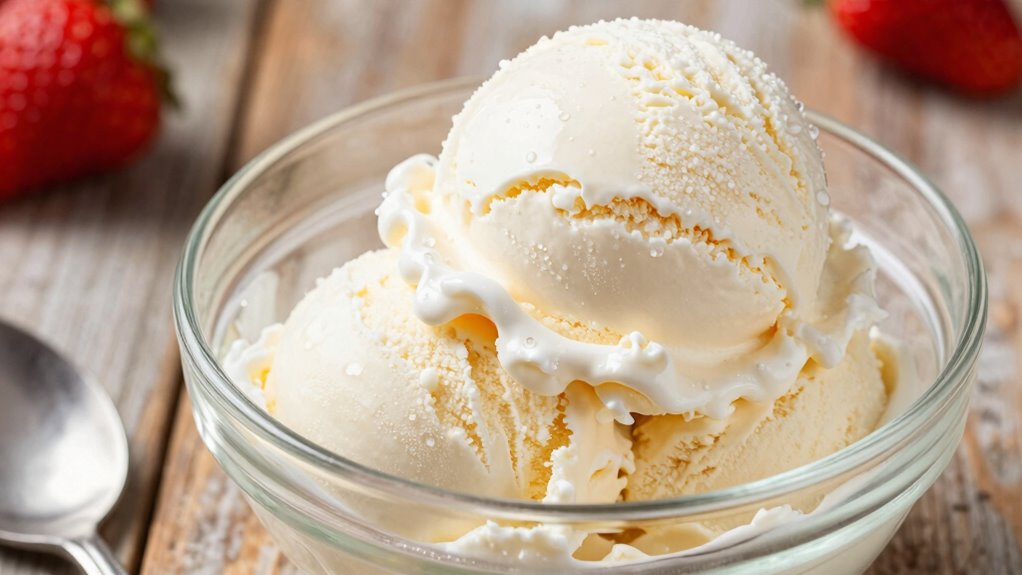

Eating ice cream alone doesn’t directly cause weight gain; it’s all about how much and how often you indulge. If you enjoy ice cream occasionally and keep portion sizes moderate, you can include it in a balanced diet without worries. The real key is managing overall calories and staying active. If you want to discover what really influences weight and how to enjoy treats responsibly, there’s more to explore below.

Get baking supplies delivered free with Prime
- Fast, free delivery on millions of items
- Prime Video, Amazon Music and more included
- Member-only deals all year
Key Takeaways
- Weight gain results from overall calorie surplus, not solely from eating ice cream in moderation.
- Portion size and frequency of consumption are critical factors influencing weight impact.
- Enjoying ice cream responsibly within a balanced diet minimizes the risk of weight gain.
- High-calorie treats like ice cream are less likely to cause weight gain if integrated mindfully.
- The myth that ice cream “causes” weight gain overlooks the importance of total diet and activity levels.

Ice cream is a delicious treat that many people enjoy, but consuming it in excess can lead to weight gain. The key to indulging without guilt is understanding how to manage your intake, especially when it comes to ice cream portioning and its nutritional content. When you pay attention to portion sizes, you’re less likely to overconsume calories, which plays an essential role in maintaining a healthy weight. A standard scoop of ice cream might seem small, but it can contain around 200 calories or more, depending on the flavor and ingredients. By measuring your servings carefully, you control your calorie intake and prevent accidental overeating.
Pay attention to portion sizes to enjoy ice cream without overeating calories and risking weight gain.
The nutritional content of ice cream varies widely based on ingredients and serving size. Regular ice cream often contains sugar, fat, and calories that can add up quickly if you’re not cautious. However, it also provides some nutrients like calcium and protein, although these benefits are often overshadowed by the high sugar and fat content. When you choose smaller portions or opt for lower-fat or reduced-sugar options, you can enjoy ice cream without markedly impacting your weight. Knowing the nutritional content helps you make smarter choices—like selecting a smaller scoop or balancing it with healthier foods during the rest of your day. Additionally, understanding nutritional content can help you identify healthier alternatives that satisfy your cravings without excess calories. Being aware of calorie counts in different ice cream varieties allows for better moderation and planning. Incorporating dietary awareness into your decision-making can further help you enjoy treats responsibly.
It’s also helpful to keep in mind that weight gain isn’t caused solely by eating ice cream. Instead, it results from a consistent calorie surplus—consuming more calories than your body burns. So, if you incorporate ice cream into your diet thoughtfully, it’s unlikely to cause weight gain by itself. You can enjoy a scoop or two as part of a balanced diet, especially if you’re mindful of your overall caloric intake and physical activity. Incorporating nutritional awareness into your choices can further support your health and weight management efforts. The occasional treat isn’t going to sabotage your health goals, provided you’re aware of how much you’re eating and how it fits into your daily nutritional needs.
In essence, the idea that ice cream “causes” weight gain is a bit of a myth. It’s more about how much and how often you indulge, combined with your overall eating habits and activity level. By practicing good ice cream portioning and understanding its nutritional content, you can satisfy your sweet tooth without guilt. Remember, moderation is your best tool—enjoying your favorite flavors in reasonable amounts allows you to indulge without risking your health or weight goals. So, yes, you can have your ice cream and eat it too, as long as you’re mindful about your portions and overall diet. Understanding nutritional content helps you make better choices and enjoy treats responsibly.
As an affiliate, we earn on qualifying purchases.
Frequently Asked Questions
Can Eating Ice Cream Occasionally Still Lead to Weight Gain?
Yes, eating ice cream occasionally can still lead to weight gain if you give in to sweet cravings or emotional eating regularly. When you indulge, you might consume extra calories that add up over time. Moderation helps, but it’s important to balance treats like ice cream with healthy habits. Being mindful of your cravings and emotional triggers can prevent occasional indulgences from turning into long-term weight issues.
Does the Type of Ice Cream Affect Its Impact on Weight?
Yes, the type of ice cream affects its impact on weight. Dairy content influences calories and satiety, while sugar variations can cause blood sugar spikes and cravings. Choosing lower-fat options with less added sugar can help manage your weight better. Opt for flavors with natural ingredients and minimal sugar to enjoy ice cream without sabotaging your health goals. Remember, moderation is key regardless of the type you choose.
How Much Ice Cream Is Considered a Healthy Portion?
A little goes a long way—portion control is key. A healthy ice cream serving is about half a cup, roughly the size of a tennis ball. Pay attention to the nutritional content, especially sugar and fat, to enjoy your treat without overdoing it. Remember, moderation is the secret to savoring ice cream while keeping your health in check. Balance makes every indulgence more enjoyable and sustainable.
Are There Healthier Alternatives to Traditional Ice Cream?
Yes, there are healthier alternatives to traditional ice cream. You can try dairy alternatives like almond, coconut, or cashew-based frozen desserts, which are often lower in fat and calories. Additionally, sugar substitutes such as stevia or erythritol can help reduce sugar intake without sacrificing sweetness. These options allow you to enjoy a cool treat while making healthier choices and managing your weight more effectively.
How Does Eating Ice Cream Fit Into a Balanced Diet?
Think of your diet as a balanced symphony—ice cream is just one note. Eating ice cream fits into your diet when you consider its nutrition and caloric content. Enjoy it occasionally, especially if you choose options with lower sugar and fat. Moderation is key, and balancing it with nutrient-dense foods helps you satisfy your sweet tooth without throwing off your overall health.
Conclusion
So, while ice cream might not be the villain it’s sometimes made out to be, enjoying it in moderation is your best bet. Think of it as a sweet treat that fits into a balanced life, rather than a secret culprit lurking behind your weight changes. When you savor ice cream thoughtfully, you’re more likely to keep your enjoyment—and your health—on a happy, harmonious path. After all, life’s too short to deny yourself the simple pleasures.
Halloween Picks
halloween
As an affiliate, we earn on qualifying purchases.