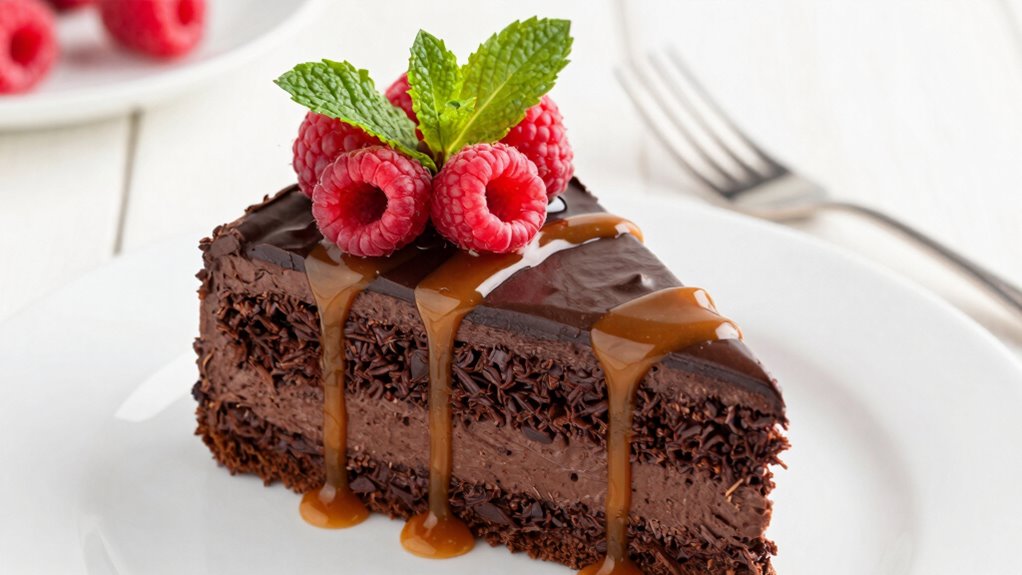

Calling any dessert “guilt-free” can be misleading because it promotes the idea that some treats are exempt from nutritional standards and won’t impact your health or weight. This label feeds into calorie obsession and promotes an unhealthy fixation on “good” or “bad” foods. Often, these “guilt-free” options hide processed ingredients or additives that may be less healthy. To truly understand the impact, it’s important to look beyond labels—if you want to learn more, keep going.

Get baking supplies delivered free with Prime
- Fast, free delivery on millions of items
- Prime Video, Amazon Music and more included
- Member-only deals all year
Key Takeaways
- “Guilt-free” labels can reinforce unhealthy obsession with calories and reinforce a good/bad food mentality.
- Many “guilt-free” desserts contain artificial ingredients or processing that may harm health.
- Such labels distort the true nutritional value and can lead to poor food choices.
- Relying on these labels fosters guilt, shame, and restrictive eating habits.
- Emphasizing moderation and mindful eating promotes a healthier, more balanced relationship with treats.

Many desserts are labeled “guilt-free,” but this phrase can be misleading and even harmful. It feeds into your calorie obsession, making you believe that some treats are exempt from normal nutritional standards. When you see “guilt-free,” you might think that indulging in that dessert won’t impact your health or weight. But that’s a dangerous misconception. No food is intrinsically guilt-free; every treat has its place, and moderation is key. The problem with labeling something as “guilt-free” is that it oversimplifies the complex relationship between food, health, and enjoyment. It encourages you to view certain foods as completely harmless, which isn’t true. This can lead to an unhealthy fixation on calories and a distorted view of what’s good or bad for you. Instead of focusing on balance, you might start to see desserts as either good or bad, which fuels guilt and shame around eating.
This labeling often masks the reality that many “guilt-free” options are still processed or contain artificial ingredients, which aren’t necessarily better for your health. It creates a false sense of security that you’re making a healthier choice, but in reality, you might be trading one problem for another. For example, some “low-calorie” or “sugar-free” desserts are packed with chemicals or additives that can have their own health implications. Relying on these might make you think you’re being healthier, but it can lead to misconceptions about what truly benefits your body. Over time, this obsession with calories and “clean” labels can distort your relationship with food, turning eating into a game of avoiding guilt rather than nourishing your body. Recognizing that food labels can be misleading is an important step toward fostering a healthier mindset. Additionally, understanding the impact of artificial ingredients on health can help you make more informed choices.
Being mindful of emotional eating and how it influences your choices can help you develop a more balanced perspective, emphasizing satisfaction over restriction. You need to understand that food is more than just numbers on a label. It’s about enjoyment, satisfaction, and listening to your body’s signals. Calling desserts “guilt-free” sets an unrealistic standard that can backfire, making you more anxious about indulging. Instead of chasing after foods that promise zero guilt or calories, focus on mindful eating and moderation. Recognize that all foods can fit into a healthy diet when consumed thoughtfully. Break free from the health misconceptions that tell you some foods are inherently bad or good. Remember, balance and enjoyment are more sustainable than restrictive dieting or labels that aim to eliminate guilt altogether. Your relationship with food should be grounded in understanding, not shame or obsession.
As an affiliate, we earn on qualifying purchases.
Frequently Asked Questions
How Do “Guilt-Free” Desserts Affect Long-Term Eating Habits?
Guilt-free desserts can negatively affect your long-term eating habits by encouraging mindless indulgence and emotional triggers that override your awareness. When you label a treat as guilt-free, you might eat more impulsively, ignoring hunger cues. Over time, this can weaken your mindful eating skills, making it harder to recognize genuine hunger versus emotional cravings. Ultimately, it can lead to less balanced eating habits and a conflicted relationship with food.
Are “Guilt-Free” Labels Regulated or Misleading?
Imagine walking into a bakery and seeing “guilt-free” on a dessert; it’s a clever marketing tactic. These labels aren’t tightly regulated, so they can be misleading, shaping consumer perceptions that a product is healthier or lower in calories. You might think you’re making a better choice, but without clear standards, “guilt-free” can be more about marketing than truth. Always read labels carefully and question the claims brands make.
What Ingredients Are Typically Used in “Guilt-Free” Desserts?
Guilt-free desserts usually contain ingredients like artificial sweeteners and sugar substitutes, which aim to reduce sugar and calorie content. You might find options with stevia, erythritol, or monk fruit, offering sweetness without the usual guilt. These ingredients help satisfy your sweet tooth while keeping calories lower. However, be cautious, as some artificial sweeteners can cause digestive issues or other health concerns if consumed excessively.
Can “Guilt-Free” Desserts Still Cause Health Issues?
You might think guilt-free desserts are harmless treats, but they can still cause health issues. Artificial sweeteners, often in these desserts, can upset your digestive health, leading to bloating or discomfort. Just because something’s labeled “guilt-free” doesn’t mean it’s totally risk-free. Like a wolf in sheep’s clothing, these desserts can hide ingredients that might challenge your stomach or overall wellness, so enjoy them mindfully.
How Do “Guilt-Free” Desserts Impact Emotional Relationships With Food?
When you label desserts as “guilt-free,” it can influence your emotional relationship with food by reinforcing certain emotional triggers and food associations. You might start to see treats as rewards or guilt sources, which can lead to feelings of shame or restriction. This label can create a cycle where you unconsciously associate desserts with guilt, making it harder to enjoy them mindfully and fostering an unhealthy emotional connection with food.
Conclusion
So, next time you see “guilt-free” on a dessert, remember it’s just a shiny wrapper hiding complexity. Don’t let labels fool you into believing your indulgence is harmless or free of consequence. Instead, savor your treat with mindful appreciation, knowing that true freedom comes from balance, not labels. After all, life’s sweetest moments aren’t measured by guilt, but by the honest joy of enjoying what you love, unburdened by false promises.
Halloween Picks
halloween
As an affiliate, we earn on qualifying purchases.