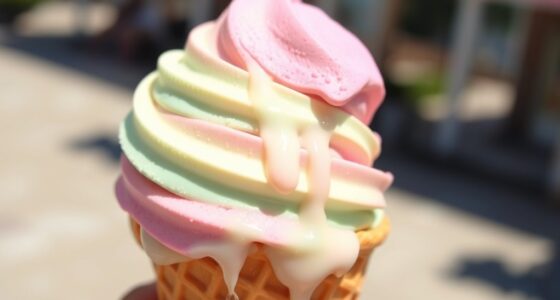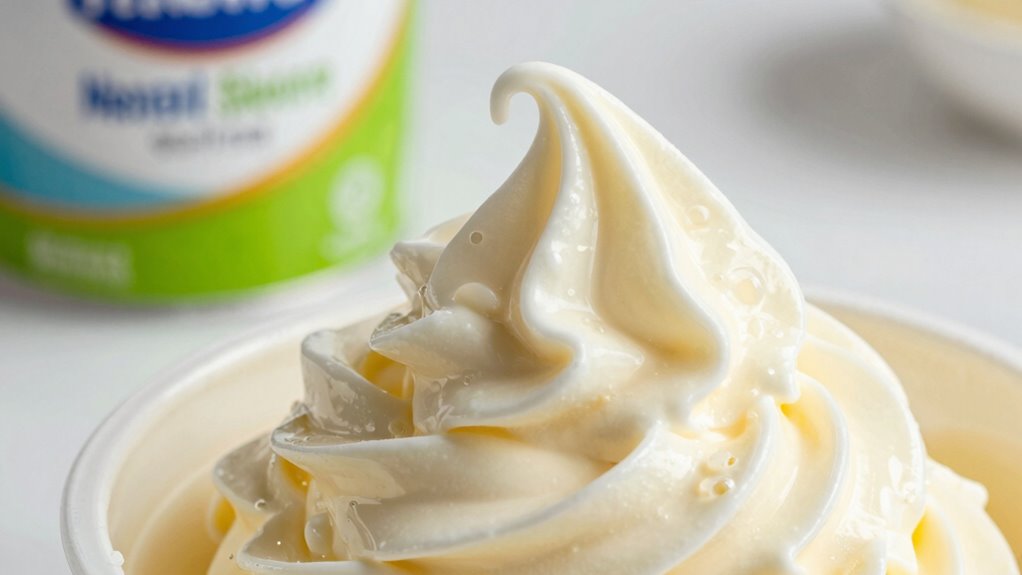

When you see “frozen dairy dessert,” it usually signals that the product is designed to bypass stricter ice cream regulations, giving manufacturers more ingredient flexibility. It often suggests a treat that may be perceived as healthier, but it can contain high amounts of sugar and artificial additives. This labeling tactic relies on marketing to create a health halo, making you think it’s better than it really is. By exploring further, you’ll uncover how to spot the truth behind these labels.
Listen free for 30 days with Audible
Thousands of audiobooks and originals — cancel anytime.
As an affiliate, we earn on qualifying purchases.
Key Takeaways
- “Frozen dairy dessert” indicates a product that avoids strict ice cream regulations, often allowing added artificial ingredients.
- It may suggest the presence of dairy but does not guarantee nutritional benefits like calcium or vitamins.
- The label often signals a focus on indulgence and fun rather than health, potentially misleading consumers.
- Such products frequently contain high sugar and artificial additives, contradicting health-related perceptions.
- Overall, it signals a less regulated, possibly less nutritious alternative to traditional ice cream formulas.
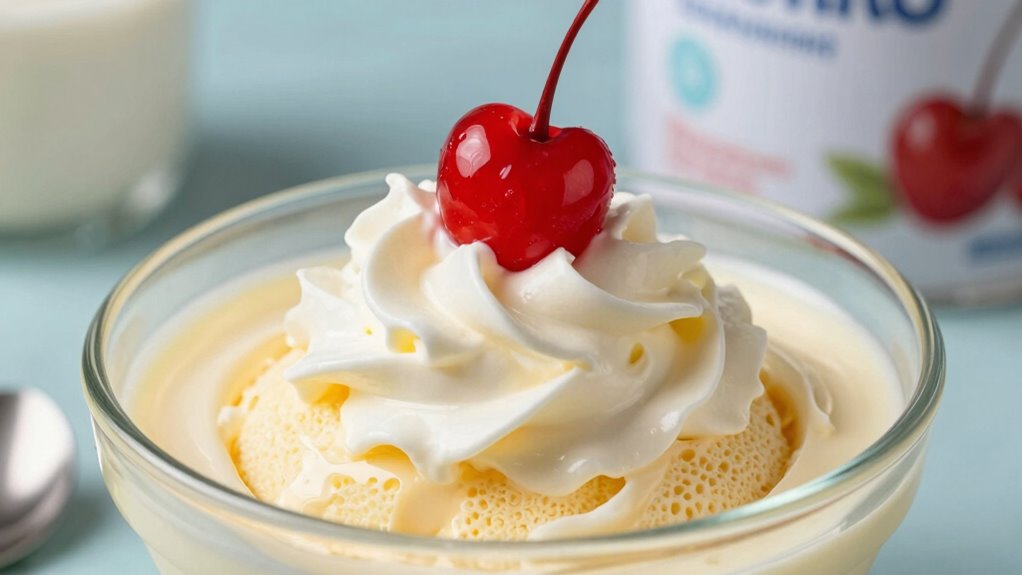
Frozen dairy desserts and formula products are popular choices for satisfying sweet cravings and providing essential nutrients, especially for children. When you see a product labeled as a “frozen dairy dessert,” it often signals more than just a treat; it reveals underlying marketing strategies that influence perceptions about nutrition. Many of these products are marketed as healthy or nutritious options, but they can carry nutritional misconceptions that might mislead consumers. Companies often emphasize certain ingredients, like calcium or vitamins, to make their products seem beneficial, even when they contain high amounts of added sugars or artificial additives. This marketing approach can create a false impression that these desserts are comparable to or even better than traditional, whole foods, which isn’t always the case.
“Frozen dairy desserts often hide high sugar content behind health-boosting claims.”
The term “frozen dairy dessert” can be a strategic choice by manufacturers to avoid the stricter regulations associated with labeling a product as “ice cream.” This subtle distinction allows companies to use different ingredients and less stringent standards while still appealing to consumers looking for indulgent treats. The marketing strategies behind these labels often focus on emotional appeal—highlighting fun, indulgence, or comfort—rather than genuine nutritional value. As a result, many people believe they’re making healthier choices when they reach for a frozen dairy treat, but in reality, they might be consuming high-calorie products loaded with sugars and unhealthy fats.
This disconnect stems from nutritional misconceptions that are reinforced by advertising. For example, a frozen dairy dessert marketed as “fortified with calcium” might seem like a smart choice for bone health, but if it contains excessive sugar, it counters any potential benefit. You might think you’re doing something good for your children, but in truth, these products can contribute to unhealthy weight gain or dental issues if consumed frequently. Recognizing these marketing tactics is key in making informed decisions. Instead of relying on labels or advertisements, you should look closely at ingredient lists and nutrition facts to understand what you’re actually eating or giving to your children.
Moreover, understanding how marketing strategies influence consumer perceptions is crucial in avoiding nutritional pitfalls. They often rely on health halo effects to make products seem healthier than they are. Additionally, some products labeled as “frozen dairy desserts” may contain artificial additives that can negatively impact health if consumed regularly, emphasizing the importance of scrutinizing ingredient lists. Recognizing the intent behind these labels can help consumers develop a more critical eye towards marketing claims and avoid being misled by superficial health benefits. Furthermore, educating oneself about common nutritional misconceptions can empower better choices when selecting treats or formula products. Ultimately, the signals conveyed by “frozen dairy dessert” labels often mask the reality of what’s inside. They highlight the importance of scrutinizing marketing strategies and dispelling nutritional misconceptions. When you’re choosing treats or formula products, focus on the ingredients and nutritional content rather than the marketing language. Doing so helps ensure you’re making choices grounded in health rather than clever advertising. It’s always better to prioritize whole, minimally processed foods and consult with healthcare professionals about the best options for children’s nutrition rather than relying solely on marketing signals.
healthy frozen dairy dessert alternatives
As an affiliate, we earn on qualifying purchases.
As an affiliate, we earn on qualifying purchases.
Frequently Asked Questions
How Is Frozen Dairy Dessert Different From Regular Ice Cream?
Frozen dairy dessert differs from regular ice cream mainly in flavor variations and ingredient sourcing. It often contains less cream and more milk, which can influence texture and taste. The ingredients are usually sourced more flexibly, sometimes using lower-quality or alternative ingredients, making it less rich and creamy. If you’re seeking a lighter or more affordable treat, frozen dairy dessert offers a variety of flavors with different ingredient sources, but it might lack the traditional creaminess of ice cream.
Why Do Some Formulas Include Frozen Dairy Dessert?
Some formulas include frozen dairy dessert to enhance flavor and improve ingredient stability. The frozen dessert acts as a smoother, richer base, making the formula more appealing. It helps maintain consistent taste and texture over time, ensuring the product stays fresh longer. By incorporating frozen dairy dessert, manufacturers can deliver a more satisfying experience for consumers, with improved stability and flavor that last throughout the product’s shelf life.
Are There Health Risks Associated With Frozen Dairy Desserts in Formulas?
Yes, there are health risks with frozen dairy desserts in formulas. You should be aware of allergy concerns, especially if your child has dairy allergies or lactose intolerance, as these desserts contain milk. Additionally, frozen dairy desserts often have high sugar content, which can lead to dental issues, obesity, and insulin spikes. Always check ingredient labels and consult with your pediatrician to guarantee the formula meets your child’s nutritional needs safely.
Can Frozen Dairy Dessert in Formulas Affect a Child’s Digestion?
You might wonder if frozen dairy dessert in formulas could impact your child’s digestion. It could, as the digestive impact varies depending on ingredient safety and your child’s sensitivity. Some dairy ingredients may cause discomfort or bloating, especially if they contain added sugars or artificial additives. Staying vigilant about ingredient quality helps minimize risks, ensuring your child’s digestive system stays balanced and healthy. Always check labels for safer, wholesome options.
What Regulations Govern the Use of Frozen Dairy Desserts in Baby Formulas?
Regulations governing the use of frozen dairy desserts in baby formulas emphasize strict regulatory compliance and labeling standards. You need to guarantee that any ingredients meet safety guidelines set by authorities like the FDA. Labels must clearly specify ingredients and nutritional info, indicating whether frozen dairy desserts are included. This helps you verify that the formula adheres to legal requirements, ensuring your child’s safety and proper nutrition.
Conclusion
So, next time you see “frozen dairy dessert” on a label, remember it might just be a subtle hint about the formula inside. It’s funny how those tiny words can reveal more than they seem—like a coincidence waiting to be noticed. Keep an eye out; sometimes, what’s unsaid speaks loudest. After all, in the world of food, little details often lead to the biggest surprises. Stay curious—you never know what’s hidden in plain sight.
Flea & tick season Picks
flea and tick prevention
As an affiliate, we earn on qualifying purchases.