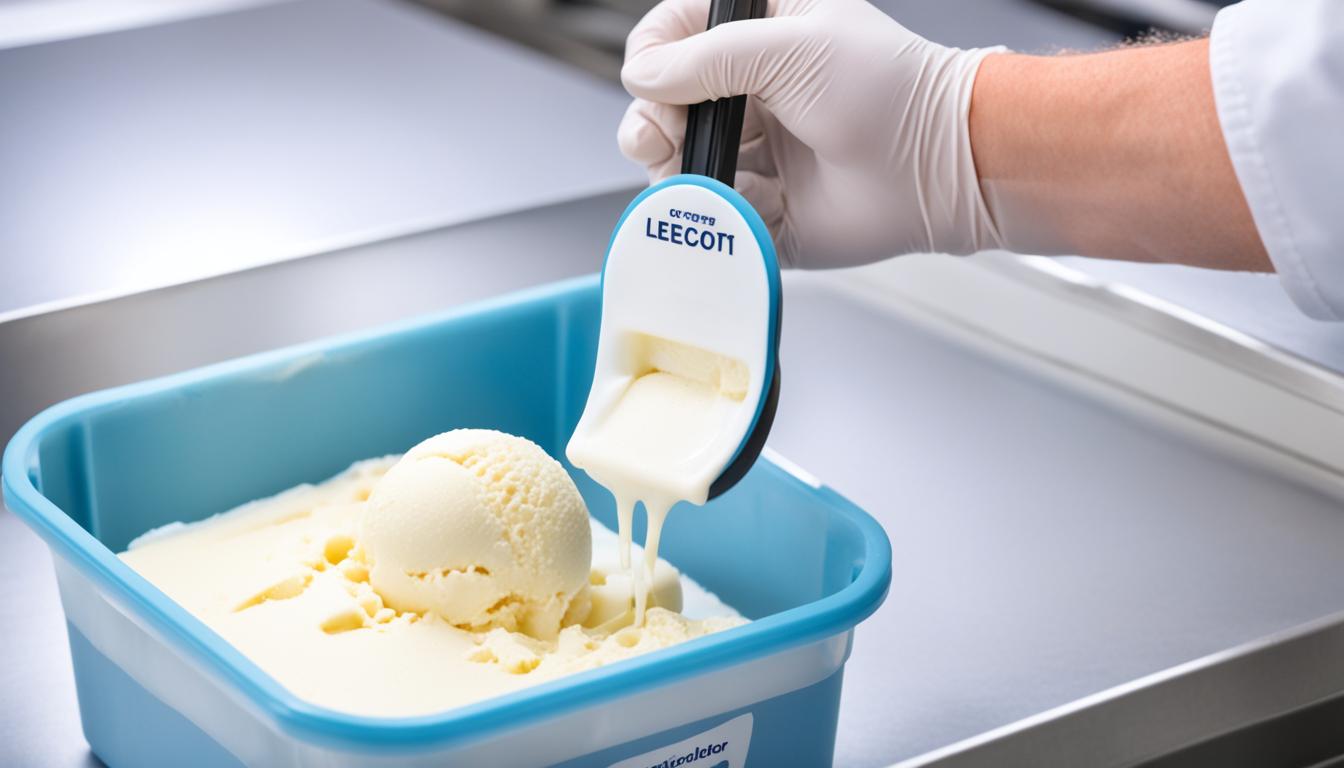
When you turn to cold comfort foods during emotional times, you’re seeking quick relief and momentary happiness, which can temporarily soothe feelings like loneliness, stress, or boredom. However, these foods—high in sugar and fats—can reinforce unhealthy habits and emotional patterns, making emotional eating worse over time. Recognizing why you’re craving cold comfort foods and exploring healthier coping strategies can help break this cycle and support your emotional well-being more effectively. If you keep exploring, you’ll discover ways to manage your cravings better.
Key Takeaways
- Cold comfort foods, like ice cream or chilled snacks, can temporarily soothe emotional distress by releasing dopamine and providing instant gratification.
- They often serve as emotional triggers during stress or loneliness, prompting cravings for soothing, cool treats.
- Mindful consumption of cold comfort foods helps distinguish between physical hunger and emotional cravings, reducing overeating.
- Relying on cold comfort foods may create emotional-food patterns, making it harder to develop healthier coping strategies.
- Alternatives like warm beverages, engaging in hobbies, or talking to someone can fulfill emotional needs without relying on cold comfort foods.

When you’re feeling stressed, lonely, or overwhelmed, turning to cold comfort foods can seem like the easiest way to soothe your emotions. These foods often provide instant gratification, giving you a quick escape from negative feelings. However, it’s essential to recognize your comfort food triggers and practice mindful eating to avoid falling into patterns that worsen your emotional state. Comfort foods are often high in sugar, fat, or carbs, which temporarily boost your mood by releasing dopamine. But this quick fix can lead to guilt or shame afterward, deepening your emotional distress.
Understanding your comfort food triggers involves paying attention to what prompts your cravings. Do certain situations, like a stressful day at work or an argument, make you reach for ice cream or chips? Are there specific times of day when emotional eating feels more tempting? Identifying these triggers helps you develop healthier coping strategies instead of automatically turning to food. It’s about becoming aware of the emotions behind your cravings—are you bored, anxious, or lonely? Recognizing these feelings allows you to address the root cause rather than just the symptom.
Identify emotional triggers like stress or loneliness to develop healthier coping strategies instead of turning to comfort foods.
Mindful eating plays a significant role in managing emotional eating. When you practice mindful eating, you slow down, pay attention to your body’s signals, and savor each bite. Instead of eating mindlessly, you ask yourself if you’re really hungry or just seeking comfort. Notice the texture, flavor, and temperature of your food, and consider how it makes you feel both physically and emotionally. This approach helps break the cycle of emotional overeating because you become more conscious of your choices and their impact. It also encourages you to find alternative ways to cope, like taking deep breaths, journaling, or engaging in a relaxing activity.
Cold comfort foods tend to be especially tempting because they often remind you of childhood or happy memories, making emotional eating feel even more comforting. But relying solely on these foods can create a cycle where your emotions and eating habits become intertwined in unhealthy ways. Instead, try to develop new routines that fulfill emotional needs without food. For example, if loneliness triggers your cravings, reaching out to a friend or engaging in a hobby might be more beneficial. Practicing mindful eating helps you become more aware of the emotional pull behind these foods, giving you the power to choose healthier responses.
Ultimately, managing emotional eating involves understanding your triggers, practicing mindfulness, and cultivating alternative coping mechanisms. By doing so, you can enjoy the comfort of food without letting it control your emotions or your health.
Frequently Asked Questions
Can Emotional Eating Cause Long-Term Health Issues?
Yes, emotional eating can cause long-term health issues. When you turn to food for comfort, it may lead to weight gain and increased risk of chronic conditions like diabetes or heart disease. Plus, emotional eating can negatively impact your mental health, fueling feelings of guilt or anxiety. Over time, it might cause nutritional deficiencies if you rely on comfort foods that lack essential nutrients, affecting your overall well-being.
How Can I Differentiate Between Hunger and Emotional Cravings?
When it comes to telling hunger from emotional cues, trust your body’s signals. If your hunger feels like a steady growl or emptiness that builds over hours, it’s likely real hunger. But if you crave specific comfort foods suddenly, or eat to soothe feelings, it may be emotional cravings. Pay attention to timing and feelings—hunger signals are more physical, while emotional cues are tied to mood swings.
Are Cold Comfort Foods More Addictive Than Warm Ones?
Cold comfort foods aren’t necessarily more addictive than warm ones, but comfort food myths often suggest temperature preference impacts craving strength. You might find cold options more tempting because they’re often associated with relaxation or nostalgia. However, the true addiction lies in the emotional satisfaction they provide. Your cravings depend on personal habits and emotional triggers, not just whether the food is cold or warm.
What Are Quick Strategies to Curb Emotional Eating Triggers?
Imagine catching a glimpse of yourself in the mirror, pausing to breathe—this visual highlights a quick strategy. Practice mindful awareness by recognizing emotional triggers before reaching for food. Incorporate stress management techniques like deep breathing or brief walks to reduce impulse eating. These simple actions help you stay present and manage emotions effectively, curbing emotional eating triggers swiftly and giving you control over your responses.
Do Cultural Factors Influence Preferences for Cold Comfort Foods?
Yes, cultural factors definitely influence your preferences for cold comfort foods. Cultural traditions shape your food choices through specific customs and celebrations, making certain cold comfort foods more meaningful. Food symbolism also plays a role, as some foods represent comfort, community, or healing within your culture. These influences can make you gravitate toward particular cold comfort foods, giving them emotional significance beyond just taste.
Conclusion
Next time you’re reaching for that tub of ice cream after a tough day, remember it’s like trying to soothe a storm with a blanket—temporary relief that doesn’t calm the winds inside. Emotional eating might feel comforting now, but it’s only masking deeper feelings. Instead, try to face those emotions directly, like calming a storm at its source. Your well-being deserves more than cold comfort—it deserves genuine care and understanding.