
If your commercial ice cream machine breaks down, start by checking the power supply and circuit breaker to confirm they’re functioning properly. Examine the electrical connections for loose or damaged wiring. Verify the temperature settings and ensure the compressor is running smoothly. Clean the condenser coils and air filters to prevent overheating. Reset the machine correctly and look for leaks or blockages. For more tips to get your machine back on track, keep exploring.
Key Takeaways
- Check and reset the circuit breaker to ensure power supply is uninterrupted.
- Inspect electrical connections for loose, frayed, or burnt wiring and repair as needed.
- Verify the machine’s temperature settings and calibrate sensors for accurate operation.
- Clear any blockages or leaks in airflow, refrigerant lines, or fluid pathways.
- Clean condenser coils and air filters to prevent overheating and maintain proper cooling.

HUAREW 20 Amp Push Button Circuit Breaker 125-250V AC 50V DC
- Product Type: Compact single pole push-to-reset breaker
- Voltage Range: 125/250V AC, 50V DC
- Current Rating: 20A
As an affiliate, we earn on qualifying purchases.
As an affiliate, we earn on qualifying purchases.
Check the Power Supply and Circuit Breaker
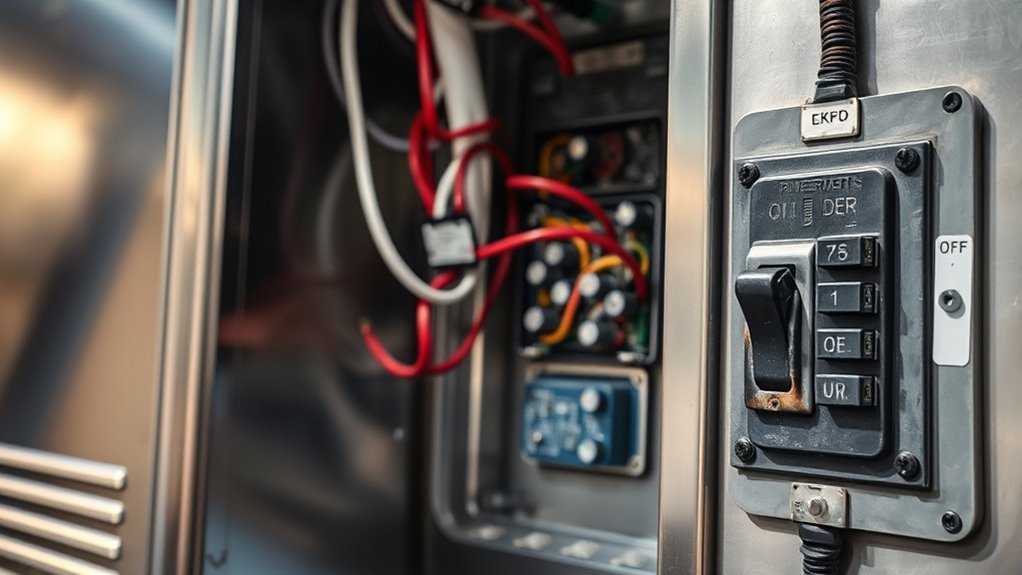
If your commercial ice cream machine isn’t turning on, the first step is to check the power supply and circuit breaker. A power surge or circuit overload can trip the breaker, cutting off power and preventing the machine from starting. Inspect the circuit breaker panel to see if the switch has flipped to the off position. If it has, reset it and see if the machine powers on. Also, consider recent electrical issues like power surges that might have caused the breaker to trip. Avoid resetting the breaker multiple times without addressing underlying issues, as this can cause further damage. Ensuring the circuit is functioning properly is vital before moving on to other troubleshooting steps. Additionally, electrical safety concerns should be prioritized to prevent hazards during inspection. If the breaker trips again, professional help might be needed to diagnose electrical problems. Regularly checking the power connections and ensuring they meet appliance power requirements can help prevent recurrent electrical issues. Being aware of the electricity demands of your equipment can also assist in avoiding overloads in the future. It is also beneficial to verify that the circuit wiring is intact and correctly installed to support the load.
Examine the Machine’s Electrical Connections
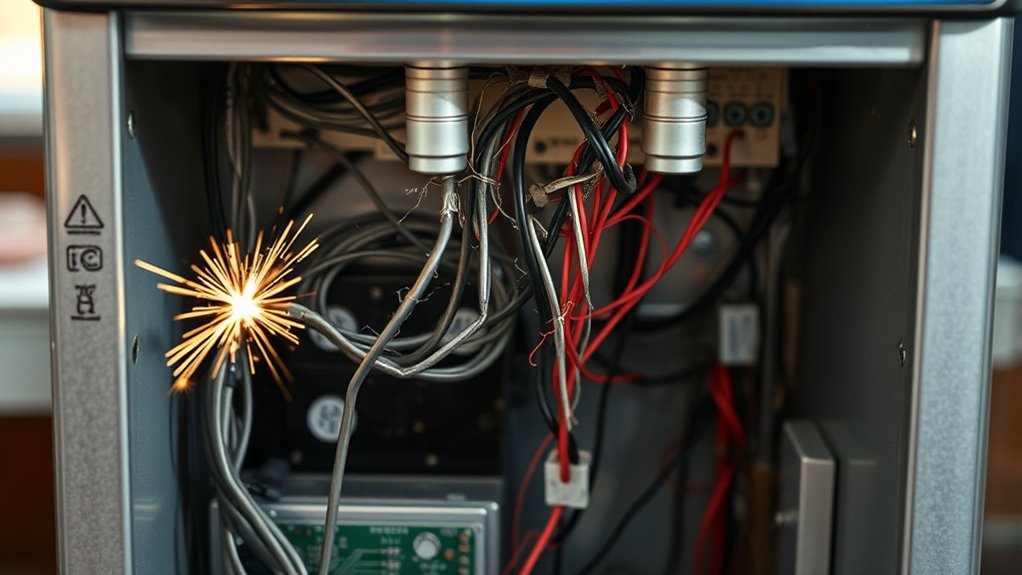
Before assuming electrical issues are the cause, carefully examine the machine’s electrical connections. Poor wiring or loose connections can disrupt operation and pose electrical safety risks. Turn off the power before inspecting. Check for frayed wires, burnt connectors, or corrosion. Use wiring troubleshooting techniques to identify faults. To stay organized, review this simple wiring checklist:
| Connection | Issue to Look For | Solution |
|---|---|---|
| Power cord | Loose or damaged | Replace or tighten |
| Terminal screws | Loose or corroded | Secure or clean |
| Internal wiring | Frays or burns | Repair or replace |
| Ground connection | Poor grounding | Reconnect properly |
Regular maintenance of electrical systems, like Kia Tuning modifications, can help prevent such issues from occurring. Proper wiring practices are essential, especially when considering HVAC Systems safety standards. Address issues promptly to prevent further damage and ensure safe operation. Proper wiring troubleshooting keeps your machine running smoothly and safely, especially considering electrical safety is critical in preventing hazards. Additionally, understanding the importance of Volkswagen Tuning principles can aid in diagnosing electrical-related performance problems more effectively. Maintaining proper electrical connections is especially vital for ensuring the longevity of Honda Tuning modifications and avoiding costly repairs.
Verify the Temperature Settings
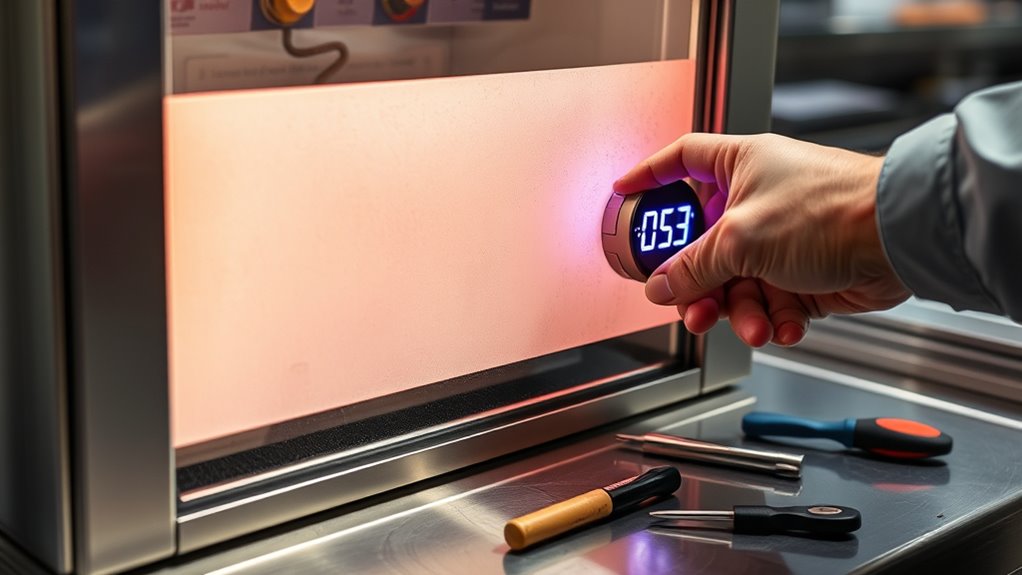
Ensuring the temperature settings are correct is essential for ideal ice cream production. Start by verifying the machine’s temperature calibration, making sure it aligns with manufacturer specifications. Use a reliable thermometer to double-check the display reading, since sensor accuracy can drift over time. If the temperature isn’t within the recommended range, adjust the settings accordingly. Keep in mind that inaccurate sensors may give false readings, so consider testing or replacing sensors if needed. Proper calibration ensures the compressor and freezing cycle operate correctly, preventing over-freezing or melting issues. Regularly monitoring and maintaining accurate temperature settings can help avoid breakdowns and ensure your ice cream consistently meets quality standards. Additionally, sensor accuracy plays a crucial role in reliable temperature measurement, impacting overall machine performance. Maintaining consistent temperature monitoring practices can also help identify potential issues early and prolong the lifespan of your equipment. Proper calibration techniques can further enhance accuracy and reduce the risk of equipment failure. In some cases, inspecting the refrigeration components for proper function can also prevent temperature discrepancies that lead to breakdowns.
Inspect the Compressor and Its Components

The compressor is the heart of your ice cream machine, and inspecting it thoroughly can reveal potential issues affecting performance. Check for abnormal compressor noise, which might indicate a failing motor or worn parts. Ensure refrigerant levels are adequate; low refrigerant can cause poor cooling and strain the compressor. Visually inspect the compressor and its components for leaks, dirt buildup, or damage. Listen for unusual sounds during operation, which can signal mechanical problems. Also, examine electrical connections for looseness or corrosion. Addressing these issues early can prevent costly repairs and restore your machine’s efficiency. Regular maintenance of refrigeration systems can extend the lifespan of your compressor and improve overall performance. Additionally, understanding the offensive security roles involved in ethical hacking can help you better assess and troubleshoot security vulnerabilities in your equipment. Remember, a well-functioning compressor keeps your ice cream at the right temperature and guarantees smooth operation. Incorporating regular sound healing science practices can help maintain the mechanical components of your equipment by promoting overall health and preventing stress-related failures. Performing preventative maintenance on your compressor regularly can also detect minor issues before they escalate. Paying attention to vibration analysis can help identify early signs of mechanical imbalance or bearing wear, further preventing breakdowns.
Clean the Condenser Coils and Air Filter
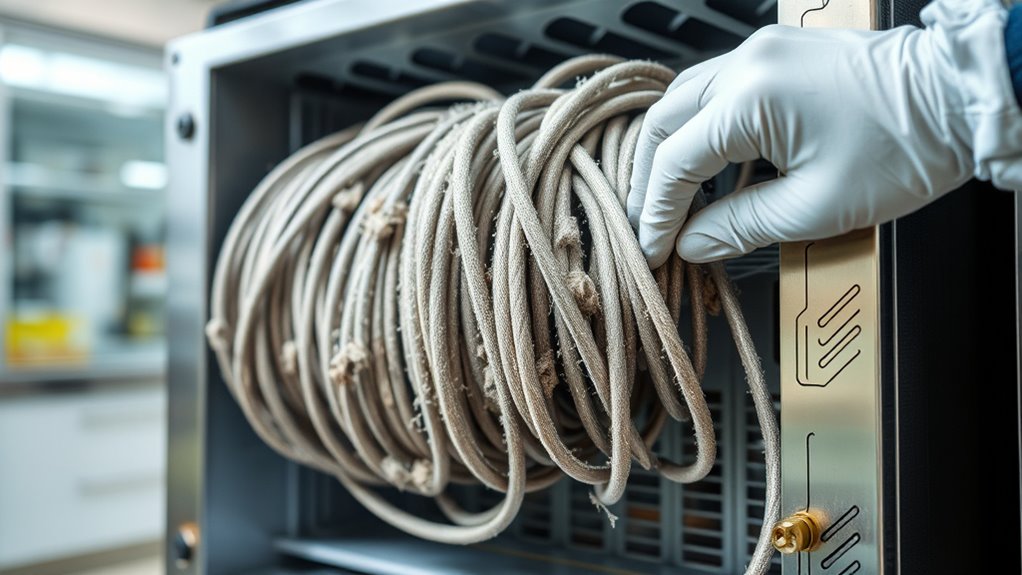
Dirty condenser coils and air filters can considerably impair your ice cream machine’s cooling efficiency. When these parts are clogged with dust and debris, your machine struggles to maintain the right temperature, leading to inconsistent ice cream flavor variations and unhappy customers. Regularly cleaning the condenser coils ensures proper heat exchange, preventing the compressor from overworking. Similarly, a clean air filter improves airflow and reduces strain on the system. Customer feedback often highlights issues with ice cream texture or temperature, which can stem from poor cooling caused by dirty components. Use a soft brush or compressed air to remove dust, and wash filters with warm, soapy water. Maintaining proper filtration systems helps optimize performance and prolongs the lifespan of your machine. Proper airflow is essential for efficient cooling and avoiding system overheating. Ensuring that ventilation around the machine is adequate also plays a crucial role in maintaining optimal performance. Regular maintenance of these components is a key part of preventing system overheating and ensuring consistent ice cream quality. Additionally, paying attention to heat exchange efficiency can help identify potential cooling issues early. Keeping these parts clean is a simple yet effective step to keep your machine running smoothly and delivering quality ice cream.
Test the Overload Protection Device
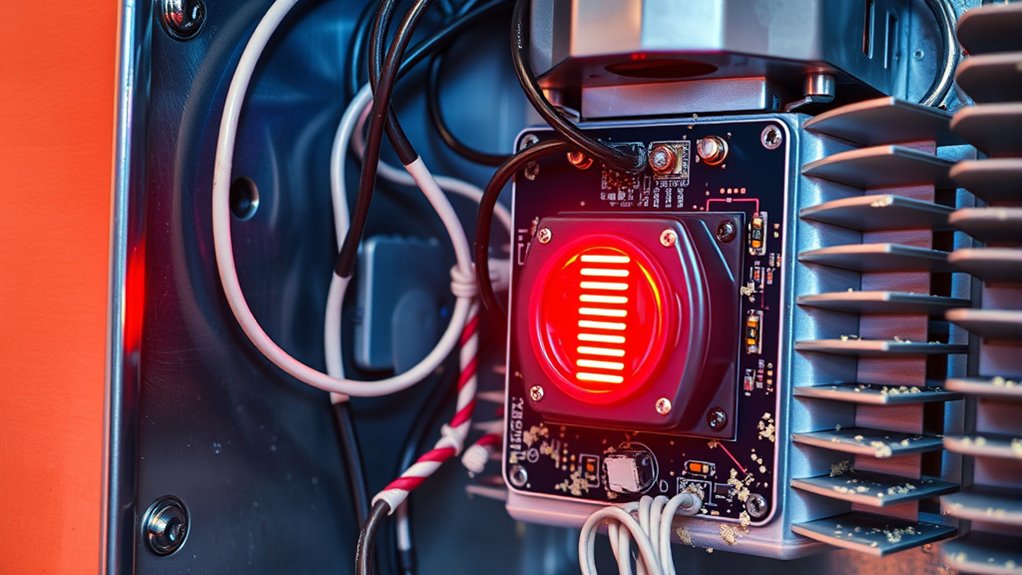
First, locate the overload protection device on your ice cream machine. Then, reset the overload switch if it’s tripped, and carefully examine the device for any signs of damage. Address any issues before testing to make certain the machine operates safely. Additionally, consult the manufacturer’s guidelines for specifications on the best maintenance practices to prevent future breakdowns.
Locate the Protection Device
To properly test the overload protection device on your commercial ice cream machine, you need to locate it first. The protection device is often a circuit breaker or a thermal overload switch, typically found near the motor or power supply. Look for a small box with a switch or button, usually mounted inside the control panel or on the machine’s side.
- Check the main power panel for the circuit breaker controlling the machine.
- Identify any reset buttons or switches on the protection device itself.
- Confirm the device’s position according to the manufacturer’s manual.
Knowing where the protection device is located allows you to test it effectively and ensure it’s functioning correctly. Proper identification avoids unnecessary disruptions and helps you troubleshoot efficiently.
Reset the Overload Switch
Before resetting the overload switch, verify that the machine is unplugged to prevent electrical shock. Locate the overload switch, usually near the motor or compressor. To perform the reset procedure, press the switch firmly until it clicks back into place. If it doesn’t stay, the overload switch may need replacement. Use the table below to understand common overload switch issues:
| Issue | Cause | Solution |
|---|---|---|
| Switch won’t reset | Overcurrent or jammed switch | Check for obstructions, then reset |
| Switch trips immediately | Motor overload | Reduce load or call a technician |
| Switch resets but trips again | Faulty overload switch | Replace the overload switch |
| No response after reset | Power issue | Verify power supply |
| Persistent failure | Electrical fault | Consult a professional |
Following these steps helps ensure your machine’s overload protection works correctly.
Inspect for Damage
Inspecting the overload protection device for damage is a crucial step to guarantee your ice cream machine’s safety and proper operation. This test ensures the device hasn’t been compromised, preventing potential motor burnout or electrical issues. When checking, look for signs like charring, broken parts, or corrosion, which could indicate damage. Keep in mind that different machine branding might have unique overload protection setups, so consult your manual if needed. Additionally, consider how the overload device interacts with your specific ice cream flavors—certain ingredients may cause overheating if the device isn’t functioning properly. To thoroughly assess, disconnect power and visually inspect the device for cracks or burn marks. Regular checks help maintain prime performance and avoid costly repairs down the line.
Ensure Proper Ventilation Around the Unit
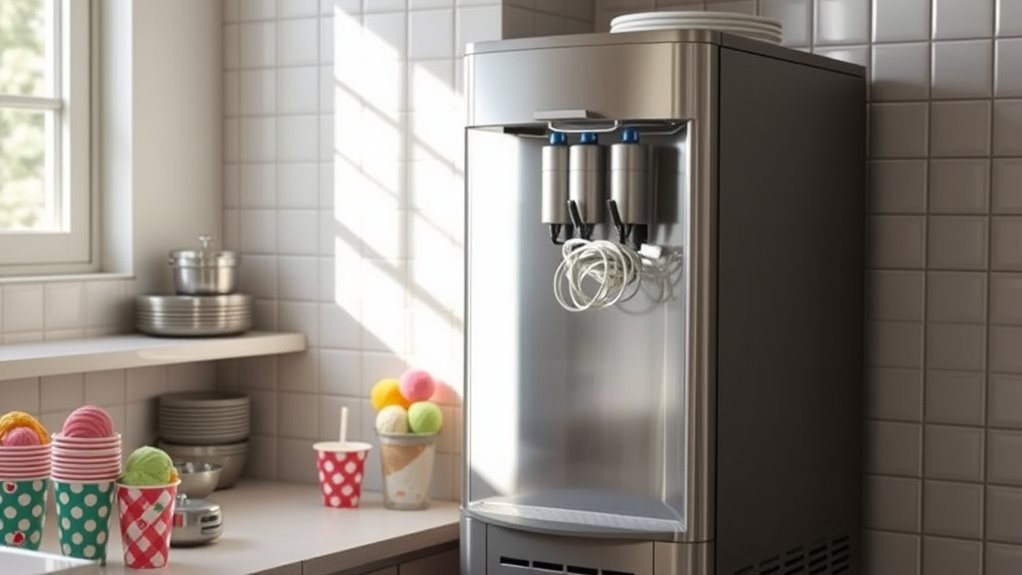
Make certain there are no obstructions around the vent to keep airflow smooth. Keep enough space around the unit to prevent overheating and ensure proper cooling. Regularly clean the vent areas to maintain efficient ventilation and prevent dust buildup.
Clear Obstructions Around Vent
Ensuring proper ventilation around your commercial ice cream machine is essential for ideal performance. If airflow obstruction occurs due to debris or nearby objects, it can lead to overheating or malfunction. Check the vent area regularly for any blockages that could cause vent blockage and restrict airflow. Clearing obstructions around the vent ensures air circulates freely, preventing unnecessary strain on the unit.
To maintain excellent airflow, consider these tips:
- Remove dust, dirt, and debris from the vent grille
- Keep any objects or equipment away from the vent area
- Inspect for and eliminate any accumulated ice or frost buildup
Maintain Adequate Airflow Space
Maintaining adequate airflow space around your commercial ice cream machine is essential for efficient operation. Proper ventilation check ensures hot air escapes, preventing overheating and potential breakdowns. You should leave at least a few inches of space on all sides of the unit to promote airflow maintenance. Avoid placing the machine in tight corners or enclosed areas that restrict air circulation. Regularly inspect vents and surrounding areas to confirm nothing is blocking airflow. Good ventilation helps the compressor run smoothly, extends the machine’s lifespan, and maintains ideal performance. By keeping sufficient space around your unit, you reduce the risk of overheating and ensure consistent ice cream quality. Prioritize airflow maintenance as a simple yet crucial step for hassle-free operation.
Regularly Clean Vent Areas
Regularly cleaning the vent areas around your ice cream machine is crucial for proper airflow and ideal performance. Dust, grease, and debris can block vents, reducing airflow and causing the machine to overheat or malfunction. To guarantee effective vent cleaning and airflow maintenance, check vents frequently and clear any obstructions. Proper ventilation prevents overheating and extends your unit’s lifespan.
- Remove dust and debris from vents using a soft brush or vacuum
- Inspect for and seal any air leaks around vent openings
- Keep surrounding area free of clutter to improve airflow circulation
Reset or Restart the Machine Correctly

If your ice cream machine isn’t functioning properly, restarting it correctly can often resolve the issue. Begin by turning off the machine and unplugging it to make certain safety. Wait a few minutes, allowing internal components to reset. Before plugging it back in, check your machine maintenance schedule; regular resets can prevent glitches and help with ice cream flavor customization. When you power it on again, observe for any error messages or unusual noises. If issues persist, consult the manufacturer’s instructions for specific reset procedures. Properly resetting your machine can clear minor software hiccups and restore smooth operation. Remember, a well-maintained machine that’s restarted correctly will perform better, reducing downtime and ensuring your ice cream stays creamy and delicious.
Look for Visible Leaks or Blockages

After restarting your ice cream machine, it’s important to inspect it for any visible leaks or blockages that could be affecting performance. Conduct visual leak detection by carefully examining hoses, fittings, and the compressor for signs of fluid or refrigerant leaks. Look for puddles, stains, or ice buildup that may indicate a leak. Additionally, check for blockages in the intake and outlet vents or flow lines. Clearing blockages promptly can restore proper operation.
- Inspect all hoses and fittings for cracks or leaks
- Check the drain and vent lines for obstructions
- Look for ice or debris buildup that could hinder flow
Addressing these issues through blockage clearing and leak repair can often resolve operational problems quickly, saving you time and costly repairs.
Frequently Asked Questions
How Often Should I Perform Routine Maintenance on My Ice Cream Machine?
You should perform routine maintenance on your ice cream machine at least once a month to guarantee ideal ice cream hygiene and flavor consistency. Regular cleaning removes bacteria and residue, preventing off-flavors and buildup. Check parts like the blades, seals, and condenser regularly, and follow the manufacturer’s guidelines. Consistent maintenance not only keeps the machine running smoothly but also guarantees your customers enjoy fresh, high-quality ice cream every time.
What Are Common Signs of a Failing Compressor?
Did you know that compressors typically last between 10 to 15 years? You might notice signs of a failing compressor if it struggles to start, makes loud noises, or has inconsistent cooling. Refrigerant leaks can also cause overheating and reduce efficiency. Keep an eye on the compressor lifespan and watch for leaks, as these are common indicators that your compressor might need repair or replacement.
Can Environmental Factors Affect My Machine’S Performance?
Environmental impact can greatly affect your machine’s performance, especially if ambient temperature gets too high or low. When the surrounding temperature isn’t ideal, it puts extra strain on your equipment, causing it to work harder and potentially fail prematurely. Make sure your machine is in a well-ventilated area with stable ambient temperature to maintain efficiency. Regularly monitor environmental conditions to prevent performance issues caused by external factors.
How Do I Safely Reset the Machine Without Damaging It?
When you need a machine reset, always prioritize safety precautions to prevent damage. Turn off the machine and unplug it before attempting a reset. Wait a few minutes to let internal components cool down. Press the reset button gently, avoiding excessive force. Once done, plug it back in and turn it on. Following these steps guarantees a safe machine reset without risking damage or safety hazards.
What Should I Do if the Machine Makes Unusual Noises?
If your machine makes unusual noises, start with noise troubleshooting by listening carefully to identify the sound. Check for any loose parts, debris, or obstructions that could cause unusual sounds. Confirm all components are properly secured and clean. If the noises persist, consult the user manual for specific guidance or consider calling a professional. Addressing unusual sounds promptly prevents further damage and keeps your machine running smoothly.
Conclusion
Think of your ice cream machine like a delicate dance partner; if one step falters, the whole routine suffers. By following these troubleshooting tips, you’re giving your machine a chance to get back in sync. Sometimes, a simple reset or check is all it takes to revive it—like a gentle nudge to a tired friend. Stay patient, keep an eye on the details, and your machine will be serving up cold treats in no time.