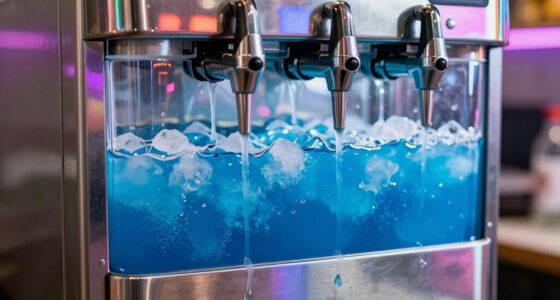
Layer separation in frozen beverage machines happens when ingredients don’t blend properly, often due to machine issues, poor maintenance, or ingredient quality. If your machine isn’t cleaned regularly or calibrated correctly, residue buildup or temperature fluctuations can cause ingredients like dairy fats or proteins to separate. Handling and storage practices also matter. Keep these factors in check to improve consistency. Otherwise, you’ll miss key tips that can help you resolve this issue effectively.
Listen free for 30 days with Audible
Thousands of audiobooks and originals — cancel anytime.
As an affiliate, we earn on qualifying purchases.
Key Takeaways
- Inconsistent temperature control causes uneven freezing, leading to layer separation during service.
- Dairy residues or contamination from poor cleaning disrupt proper blending and promote separation.
- Worn blades or malfunctioning mixing mechanisms fail to keep ingredients uniformly combined.
- Ingredients past expiration or improperly stored can destabilize textures and cause separation.
- Lack of regular maintenance and calibration results in machine performance issues affecting mixture stability.
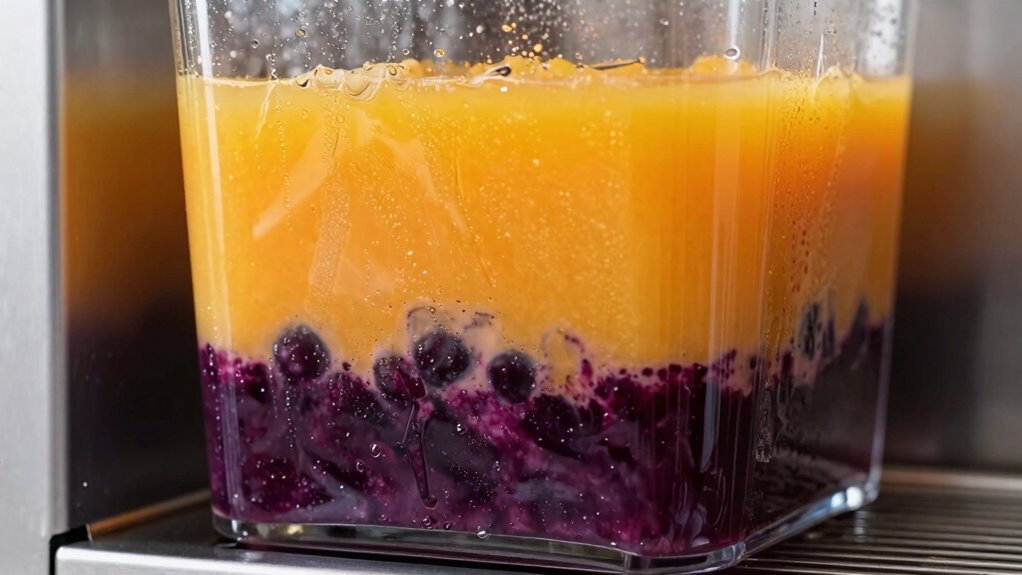
Have you ever noticed layers separating in your frozen beverages? It’s a common issue that can leave your drinks looking unappealing and affect customer satisfaction. This separation often occurs when the ingredients in your machine aren’t blending properly, but there are deeper reasons behind it. One major factor is dairy contamination, which can happen if the machine isn’t cleaned thoroughly or if residues from previous batches mix with new ingredients. Dairy products are sensitive to temperature and contamination, and if they aren’t stored or handled correctly, they can cause inconsistent textures and separation. When dairy proteins or fats build up inside the machine, they disrupt the smooth, uniform consistency you want in your beverages.
Another significant contributor to layer separation is maintenance challenges. Frozen beverage machines require regular upkeep to function at their best. If you neglect routine cleaning, mineral deposits, mold, or bacterial growth can develop inside the machine’s components. These build-ups interfere with the machine’s ability to evenly blend ingredients, leading to uneven textures and separation during service. Maintenance challenges also include worn-out blades or mixing mechanisms that no longer spin uniformly. When the agitation isn’t consistent, the ingredients can start to separate, especially if the mixture contains high-fat or high-protein components like dairy. Proper machine calibration and timely repairs are essential to prevent these issues. Additionally, cleaning routines play a critical role in maintaining the machine’s overall performance and preventing contamination. Improper sanitation can also allow microbial growth that alters the mixture’s stability.
Temperature control plays an essential role too. If the machine’s refrigeration system isn’t maintaining a stable cold environment, the ingredients can partially freeze or warm unevenly. This inconsistency causes some parts to freeze more solidly while others remain liquid, creating a layered effect. Proper calibration of the machine’s temperature settings is crucial, but it also demands regular checks and adjustments, which many operators overlook due to busy schedules. Additionally, dairy contamination can be exacerbated by improper sanitation practices, further contributing to separation issues. Ensuring proper sanitation routines can significantly reduce the risk of contamination and subsequent separation.
Furthermore, ingredient quality and storage practices influence layer separation. Using ingredients that aren’t fresh or haven’t been stored correctly can alter the mixture’s stability. For instance, if dairy is past its expiration date or has been exposed to fluctuating temperatures, it’s more likely to cause separation. Combining the right ingredients with proper storage and handling reduces the risk of dairy contamination and ensures a more consistent blend. Proper storage conditions, such as maintaining cold temperatures and sealing ingredients tightly, are vital for preserving ingredient integrity. Regularly checking ingredient freshness and adhering to storage guidelines can further improve beverage consistency and prevent separation. Additionally, maintaining proper ingredient handling practices can help minimize disparities in ingredient quality.
In essence, preventing layer separation involves a combination of diligent maintenance, careful ingredient management, and precise temperature control. Addressing dairy contamination through thorough cleaning and proper handling, along with tackling maintenance challenges head-on, will help keep your frozen beverages smooth and appealing. When you stay proactive with regular servicing and cleanliness, you’ll minimize issues and serve drinks that look as good as they taste.
frozen beverage machine cleaning kit
As an affiliate, we earn on qualifying purchases.
As an affiliate, we earn on qualifying purchases.
Frequently Asked Questions
How Long Do Frozen Beverage Machines Typically Last?
Frozen beverage machines typically last about 3 to 5 years, depending on usage and maintenance. You can guarantee better flavor consistency and machine durability by regularly cleaning and servicing the equipment. Proper care minimizes wear and tear, preventing issues like layer separation during service. Investing in quality machines and following manufacturer guidelines also extends their lifespan, helping you deliver smooth, consistent beverages to your customers for years to come.
Can Layer Separation Be Prevented Entirely?
Layer separation can’t be entirely prevented, but you can improve layer stabilization and ingredient consistency to minimize it. Always guarantee ingredients are thoroughly blended and maintain proper machine calibration. Regularly check and adjust the mix proportions and temperature settings. Using stabilizers can also help keep layers uniform. While some separation might still occur, these steps considerably reduce it, ensuring a more consistent and appealing beverage for your customers.
Are Certain Beverages More Prone to Separation?
Yes, certain beverages are more prone to separation due to ingredient stability issues. Drinks with high sugar or fat content tend to separate more easily. To minimize this, you should regularly check and calibrate your machine to guarantee proper temperature and blending. Proper ingredient mixing and maintaining machine calibration help keep beverages uniform, reducing layer separation during service and providing a better experience for your customers.
How Often Should Maintenance Be Performed?
You should perform maintenance regularly, ideally every few weeks or as recommended by the manufacturer. Stick to your cleaning schedules to prevent buildup that can cause separation issues. Also, guarantee your machine calibration is accurate, as improper calibration can lead to uneven freezing and layer separation. Regular maintenance keeps your frozen beverage machine running smoothly, improves product quality, and minimizes downtime during busy service hours.
What Are the Costs of Repairing Layer Separation?
Layer separation costs can vary widely, with estimates ranging from minor repairs to significant expenses, depending on the machine’s complexity. You might face repair challenges like replacing compressors or adjusting temperature controls, which can be costly and time-consuming. While initial estimates help, unexpected issues can elevate costs. Addressing layer separation promptly prevents larger problems, saving you money and ensuring smooth service. Proper maintenance minimizes these expenses and keeps your machine running efficiently.
Conclusion
Understanding why your frozen beverage machine separates layers mid-service helps you troubleshoot effectively. By checking for issues like temperature inconsistencies, improper mixing, or ingredient imbalance, you can keep your drinks perfectly blended and appealing. Don’t let layer separation turn your busy service into chaos—think of it as the difference between a smooth, invigorating treat and a frozen disaster! With a little attention, you’ll keep your beverages looking and tasting fantastic every time, ensuring customer satisfaction and your peace of mind.
Fall Picks
fall essentials
As an affiliate, we earn on qualifying purchases.