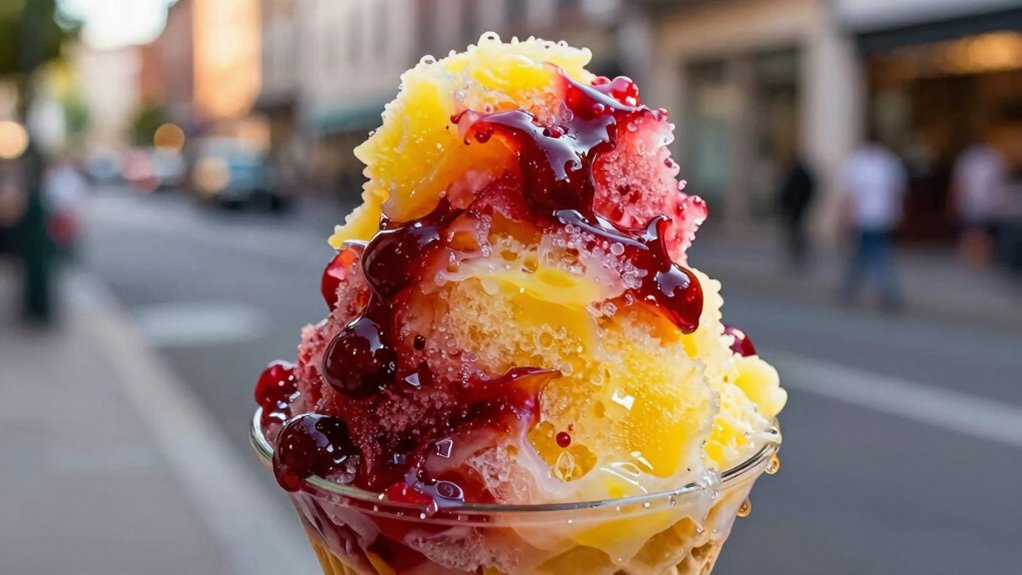

Italian ice isn’t just a fancy name for slush because it has a rich history rooted in craftsmanship and regional flavors. Unlike the overly sweet, artificial slush from convenience stores, Italian ice is carefully prepared with fresh ingredients and traditional techniques that give it a smooth texture and genuine taste. Each batch reflects regional influences, making it more than just a frozen treat. Keep exploring to discover what makes this dessert truly special across cultures and generations.

Get baking supplies delivered free with Prime
- Fast, free delivery on millions of items
- Prime Video, Amazon Music and more included
- Member-only deals all year
Key Takeaways
- Italian ice, or granita, is crafted with traditional techniques and high-quality ingredients, ensuring a smooth, authentic texture.
- It has a rich cultural history and regional variations, unlike the artificial, heavily sugared slush.
- Italian ice emphasizes natural flavors from fresh fruit, herbs, or dairy, preserving its historical significance.
- The craftsmanship involved in making Italian ice distinguishes it from mass-produced, convenience store slush.
- It reflects a centuries-old culinary tradition rooted in regional Italian influences and artisanal preparation.
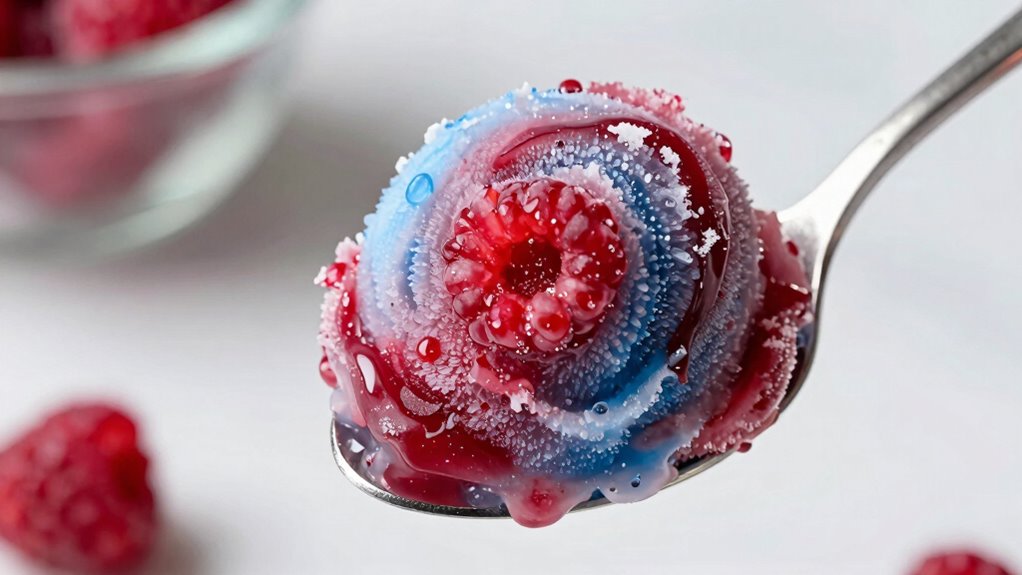
Many people assume that Italian ice is just a fancy name for slush, but in reality, it’s a distinct treat with unique qualities. Unlike the simple, heavily sugared slush you might find at a convenience store, Italian ice has a rich history and specific characteristics that set it apart. Its historical origins trace back centuries to Italy, where it was enjoyed as an invigorating treat long before making its way to America. Originally, it was crafted using finely shaved ice mixed with sweet fruit syrups, a method that allowed the flavors to shine through without being overpowered by excessive sugar. Over time, Italian immigrants brought this tradition to the United States, especially to cities with large Italian communities like New York and Philadelphia. This migration helped shape the modern version of Italian ice, blending traditional techniques with local tastes and ingredients.
Regional variations of Italian ice highlight its adaptability and cultural significance. In Italy, especially in the northern regions, it’s often called “granita,” and it’s typically made with fresh fruit, sugar, and sometimes a splash of lemon or wine, resulting in a more granular texture. In southern Italy, it might be a bit creamier, sometimes incorporating milk or cream for a richer experience. When Italian immigrants settled in the U.S., they adapted their recipes to include local fruits and flavors, leading to a broad spectrum of regional variations. For example, in New York, you might find Italian ice infused with bright citrus flavors like lemon or orange, or layered with more complex ingredients like pistachio or coffee. Meanwhile, in other parts of the country, you might encounter versions that incorporate tropical fruits or even herbal infusions, reflecting regional ingredients and preferences. Recognizing the regional variations enriches our understanding of how this treat reflects cultural diversity and adaptation. Additionally, the traditional techniques used in its preparation contribute to its distinctive texture and flavor profile. The craftsmanship involved in creating Italian ice ensures that each batch maintains its authentic quality and smoothness. Understanding the techniques involved can deepen appreciation for its delicate balance of flavor and texture, which is achieved through careful skill and experience. So, when you enjoy Italian ice, you’re tasting a centuries-old tradition that has evolved through regional influences and immigrant ingenuity, far removed from the simple, artificial slush you might see at a convenience store. Its unique texture and preparation methods contribute significantly to its identity as a distinct treat, and understanding these details enhances appreciation for this cultural delicacy. It’s a testament to how culinary traditions adapt and thrive across borders, enriching local palates with history and craftsmanship. It is this combination of history, technique, and regional influence that makes Italian ice a truly special and culturally meaningful dessert.
As an affiliate, we earn on qualifying purchases.
Frequently Asked Questions
What Are the Main Ingredients in Authentic Italian Ice?
You’ll find that authentic Italian ice mainly uses fruit or fruit juice, water, and sugar, creating a vibrant and invigorating dessert. Its beautiful dessert presentation highlights bright colors and smooth textures. Beyond taste, Italian ice holds cultural significance as a traditional treat enjoyed during festivals and warm days, symbolizing Italian heritage. This simple, flavorful dessert offers a cool escape and a connection to Italy’s culinary roots.
How Is Italian Ice Traditionally Made?
You traditionally make Italian ice by blending fruit juice or puree with sugar or sugar alternatives, then slowly freezing and stirring the mixture to achieve a smooth, gelato-like texture. You keep it churning until it’s just the right consistency, similar to gelato textures but lighter. The process involves careful freezing and mixing, which creates a invigorating treat that’s distinct from simple slush, emphasizing quality ingredients and precise technique.
Are There Any Health Benefits to Italian Ice?
Italian ice is like a revitalizing oasis for your health. While it’s mostly a treat, a nutritional analysis shows it often contains less fat and fewer calories than other desserts, making it a lighter option. However, be mindful of added sugars, which can affect health considerations. Enjoy it in moderation, and you’ll get a cool, tasty boost without the guilt—think of it as a sweet, health-conscious escape.
Can Italian Ice Be Dairy-Free or Vegan?
Yes, you can find dairy-free and vegan options of Italian ice. Many brands use dairy alternatives like coconut milk, almond milk, or soy-based ingredients to create vegan-friendly flavors. When shopping, look for labels that specify vegan or dairy-free, or ask vendors if they can customize your treat. These options let you enjoy Italian ice without dairy, making it accessible for those with dietary restrictions or preferences.
What Are Popular Flavor Combinations for Italian Ice?
You’ll love classic flavor pairings like lemon and raspberry or watermelon and mint for Italian ice. Popular seasonal varieties include pumpkin and cinnamon in fall, or peach and blueberry in summer. These combinations create invigorating, vibrant tastes that enhance your experience. Experiment with flavor pairing by mixing tropical fruits or adding a splash of sparkling water. With endless options, you can enjoy Italian ice tailored to any season or craving.
Conclusion
Next time you scoop Italian ice, imagine a burst of vibrant fruit flavors dancing on your tongue, cool and invigorating like a gentle breeze on a summer afternoon. It’s not just a slush; it’s a symphony of chilled, sweet perfection that transforms simple moments into delightful memories. So, savor each spoonful, knowing you’re experiencing something truly special—an icy masterpiece crafted with care, ready to brighten your day and cool your world.
Columbus Day / Indigenous Peoples' Day Picks
long weekend sales
As an affiliate, we earn on qualifying purchases.