To balance sweetness without ruining texture, start by substituting natural sweeteners like stevia or erythritol carefully, using small amounts and adjusting gradually. Incorporate healthy fats or fiber to help maintain moisture and tenderness. Experiment with blends of different sweeteners to mimic sugar’s properties and avoid aftertastes. Monitoring each change guarantees your baked goods stay moist, tasty, and satisfying—keep exploring these tips for perfect results every time.
Key Takeaways
- Gradually substitute sugar with natural sweeteners to monitor effects on flavor and texture.
- Use erythritol for similar measurement and texture preservation, adjusting quantities carefully.
- Incorporate healthy fats like coconut oil or applesauce to maintain moisture and tenderness.
- Combine different sweeteners to balance sweetness and mimic sugar’s browning and mouthfeel.
- Test small batches to fine-tune sweetness levels without compromising the baked goods’ texture.
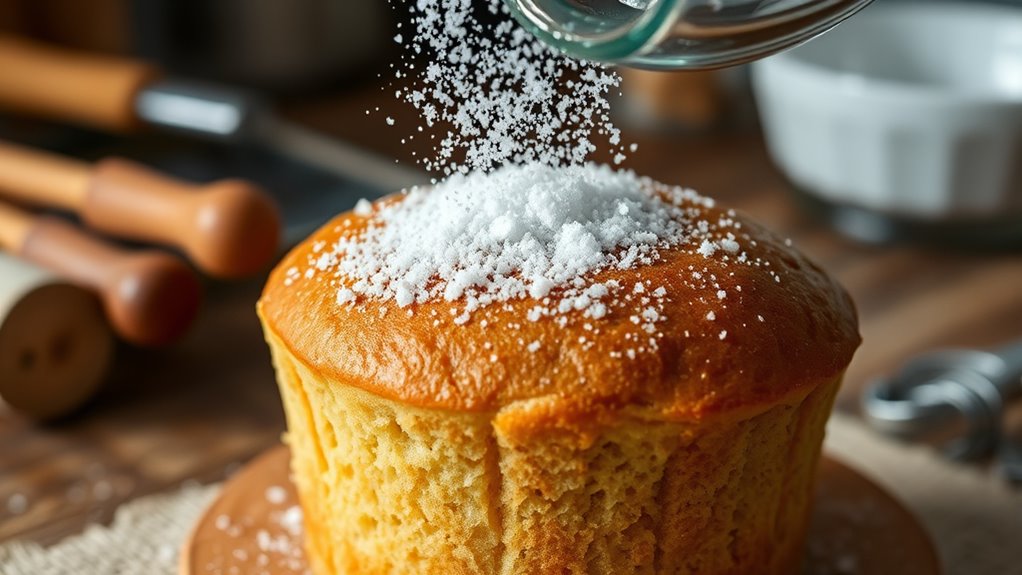
Have you ever wondered how to keep your blood sugar levels steady? Finding the right balance involves more than just reducing sugar; it’s about making smart swaps that satisfy your sweet tooth without causing spikes. One way to do this is by exploring natural sweeteners and sugar alternatives. These options can help you enjoy baked goods, beverages, and snacks while maintaining better blood sugar control. Natural sweeteners like stevia, monk fruit, and erythritol are popular choices because they contain little to no calories and have minimal impact on blood sugar levels. Unlike refined sugar, which rapidly raises blood glucose, these alternatives provide sweetness without the rollercoaster of highs and lows. Plus, they often come with health benefits, such as antioxidants or anti-inflammatory properties, making them a smarter choice overall.
When tweaking recipes, it’s important to understand how these sugar alternatives behave differently from regular sugar. For example, some natural sweeteners are much sweeter than sugar, so you need to use them sparingly. Others, like erythritol, measure more like sugar and can be used in similar quantities, helping you preserve the texture and consistency of your baked goods. As you experiment, start by replacing a portion of the sugar with these alternatives rather than all at once. This way, you can gauge how each substitute affects the flavor and texture without ruining your favorite recipes. Keep in mind that some sugar alternatives can have a cooling or aftertaste, so it’s a good idea to test small batches before committing to a full recipe.
In baking, achieving the right texture is essential. Sugar not only adds sweetness but also contributes to moisture, browning, and structure. When using natural sweeteners or sugar alternatives, you might notice a difference in these qualities. To compensate, consider adjusting other ingredients: adding a touch of healthy fat like coconut oil or using applesauce can help maintain moisture and tenderness. Incorporating fiber-rich ingredients can also improve texture and slow sugar absorption, which benefits blood sugar control. Exploring creative practice in recipe development can lead to innovative ways to improve both flavor and health benefits. Combining different sugar alternatives can create a more balanced sweetness and better mimic the properties of real sugar, helping you maintain the desired texture without sacrificing flavor.
Ultimately, the key is to find a harmony that balances sweetness, texture, and health benefits. By choosing the right natural sweeteners and understanding how to incorporate them into your recipes, you can enjoy your favorite treats while keeping your blood sugar in check. Small adjustments, thoughtful experimentation, and patience will help you develop delicious, healthier options that don’t compromise on taste or texture.
Frequently Asked Questions
Can Artificial Sweeteners Replace Sugar Without Affecting Texture?
Artificial sweeteners can replace sugar without affecting texture if used carefully. They offer sweetness without adding bulk, so you might need to adjust other ingredients to maintain texture preservation. Keep in mind that some artificial sweeteners can alter the mouthfeel or aftertaste, so experimenting is key. When used correctly, they provide a sweet taste while keeping your recipes light and smooth, making them a good sugar substitute.
How Does Sugar Reduction Impact Baking Time?
Reducing sugar can shorten your baking time by up to 10% because less sugar accelerates browning and moisture evaporation. You might notice your baked goods cook faster, so keep an eye on them. Adjust your baking time accordingly, especially if you’re lowering sugar content considerably. For best results, monitor your oven closely during the last few minutes to prevent over-baking and ensure perfect texture.
Are There Healthier Sugar Substitutes for Baking?
Yes, you can use natural sweeteners like honey, maple syrup, or agave nectar, which add flavor and nutrients, or sugar alcohols such as erythritol and xylitol, which provide sweetness with fewer calories. These substitutes help reduce sugar intake without sacrificing texture, but you should adjust baking times and moisture levels to prevent changes in your baked goods. Experimenting will help find the perfect balance for your recipes.
How to Adjust Recipes for Low-Sugar Diets?
To adjust recipes for low-sugar diets, start by replacing traditional sugar with suitable sugar alternatives like stevia or erythritol, which provide sweetness without excess calories. Gradually reduce the sugar amount, tasting as you go to maintain the desired sweetness level. Keep in mind that some sugar substitutes may affect texture, so experiment to find the right balance that preserves your recipe’s integrity while meeting your dietary needs.
What Are Signs of Over-Sweetening in Desserts?
If your dessert tastes overly sweet, you might notice sugar crystallization forming on the surface or a grainy texture, indicating over-sweetening. Additionally, the flavor can become imbalanced, overshadowing other ingredients and dulling the overall taste. These signs suggest you’ve added too much sugar, which affects both texture and flavor. To fix this, consider balancing sweetness with acidity or adding more of other ingredients to restore harmony.
Conclusion
Remember, sometimes less is more when it comes to sugar. By carefully tweaking sweetness levels, you can maintain a perfect balance without sacrificing texture. Don’t be afraid to experiment and trust your taste buds—after all, practice makes perfect. As the saying goes, “The proof of the pudding is in the eating.” Keep refining your approach, and you’ll create desserts that delight every time, just the way you want them.