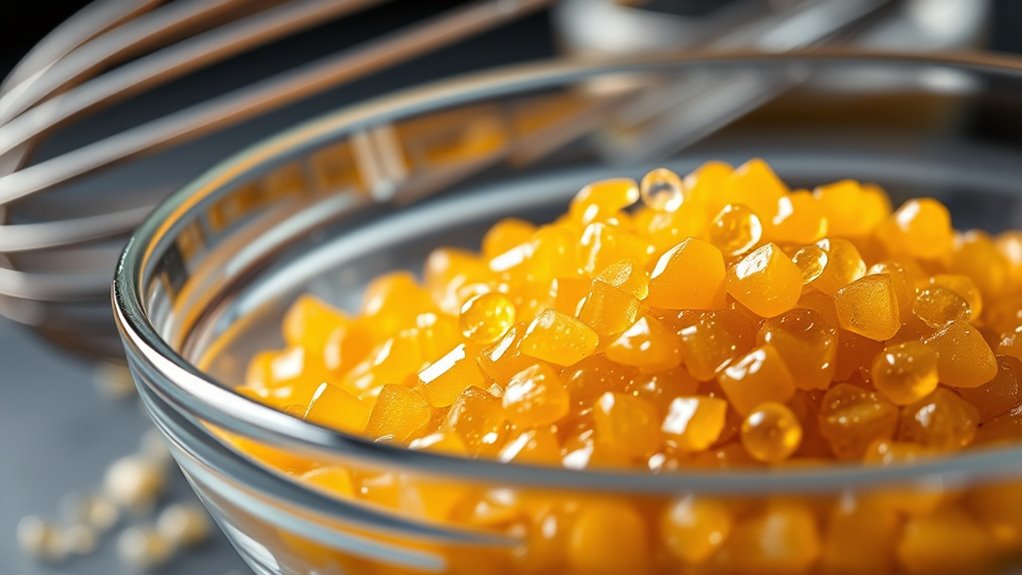

Lecithin and mono-diglycerides are common modern emulsifiers that help you enjoy processed foods with better texture, stability, and longer shelf life. They keep ingredients mixed smoothly in products like baked goods, ice cream, and spreads. These additives come from natural sources like soy, eggs, and sunflower seeds, and are generally safe when used within limits. Understanding how they work and their safety can help you make informed choices about your diet. If you keep exploring, you’ll discover even more about their role in your foods.
Key Takeaways
- Lecithin and mono-diglycerides are natural and processed emulsifiers used to stabilize and improve texture in various foods.
- They prevent ingredient separation and extend shelf life in baked goods, ice cream, and processed products.
- Derived from sources like soy, eggs, and sunflower seeds, they are generally recognized as safe by regulatory agencies.
- These emulsifiers support consistent food quality but should be consumed in moderation due to potential health concerns.
- Reading labels helps consumers manage allergies and make informed choices about processed food intake.
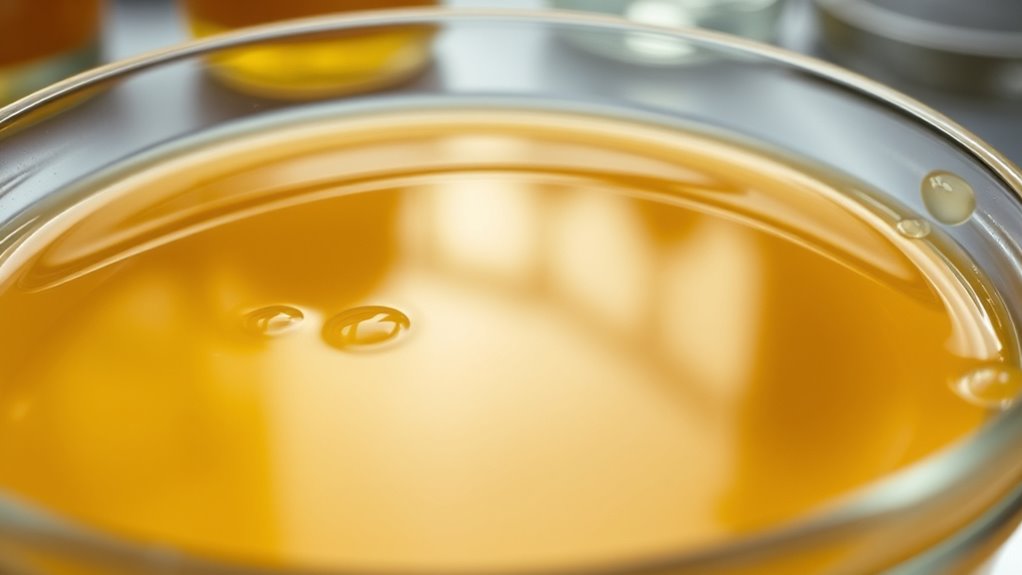
Lecithin and mono-diglycerides are common additives used to improve food quality and stability. You’ll find them in a wide range of processed foods, from baked goods to ice cream, where they serve as emulsifiers that keep ingredients mixed and prevent separation. In the food industry, these substances are valued for their ability to extend shelf life, enhance texture, and maintain consistent product quality. Their versatility makes them popular choices for manufacturers aiming to create smooth, uniform foods that appeal to consumers’ preferences.
Lecithin and mono-diglycerides enhance food stability, texture, and shelf life in processed foods.
When it comes to health implications, you might wonder if these additives pose any risks. Lecithin, which is naturally found in eggs, soybeans, and sunflower seeds, is generally considered safe for most people. It contains phospholipids that are essential for cell structure and function. Mono-diglycerides, derived from glycerol and fatty acids, are also deemed safe by regulatory agencies like the FDA. However, some concerns have been raised about additives in processed foods, especially for individuals with allergies or sensitivities. For example, soy lecithin may trigger reactions in soy-allergic people, and some mono-diglycerides could contain small amounts of trans fats if not properly processed.
In the food industry, manufacturers often use these emulsifiers in large quantities to achieve desirable product qualities. While they’re generally recognized as safe, it’s important to understand that their widespread use has prompted ongoing research into potential long-term health effects. Some studies suggest that excessive intake of processed foods containing these additives may contribute to issues like inflammation or lipid imbalances, especially if consumed in large amounts over time. Nonetheless, the levels used in typical food products are well within safety limits established by health authorities.
Furthermore, understanding the use of emulsifiers in food processing can help consumers make better dietary choices. For you as a consumer, awareness of these additives can help you make more informed choices. Reading labels becomes essential if you’re concerned about allergies or are trying to limit intake of processed foods. While lecithin and mono-diglycerides are considered safe in moderation, maintaining a balanced diet rich in whole, minimally processed foods is the best way to support your health. Overall, these emulsifiers play a significant role in modern food production, providing stability and improving texture, but understanding their health implications allows you to enjoy processed foods responsibly.
As an affiliate, we earn on qualifying purchases.
Frequently Asked Questions
Are Lecithin and Mono-Diglycerides Suitable for All Dietary Restrictions?
Lecithin and mono-diglycerides may not suit all dietary restrictions. If you’re vegan, check if the lecithin is plant-based, as some come from eggs or soy. For gluten-free needs, verify that these emulsifiers are gluten-free, since cross-contamination can occur. Always read labels carefully, as some options are vegan-friendly and gluten-free, but others might not meet your specific dietary requirements.
How Do These Emulsifiers Impact the Shelf Life of Processed Foods?
You’ll find that lecithin and mono-diglycerides extend the shelf life of processed foods by providing preservation benefits. They help prevent spoilage by stabilizing mixtures and maintaining product consistency. These emulsifiers inhibit separation and microbial growth, which keeps foods fresh longer. As a result, your favorite processed items stay appealing and safe for longer periods, making them essential ingredients for manufacturers aiming to boost shelf life and reduce waste.
Can Lecithin and Mono-Diglycerides Cause Allergic Reactions?
You might worry about allergenic concerns with lecithin and mono-diglycerides, but they’re generally safe for most people. However, if you’re allergic to soy or eggs, cross reactivity could trigger reactions since lecithin often comes from soy, and mono-diglycerides may contain egg derivatives. Always check labels and consult your healthcare provider if you have known allergies, as reactions are rare but possible.
Are There Natural Alternatives to Lecithin and Mono-Diglycerides?
Yes, you can find natural alternatives to lecithin and mono-diglycerides. Look for plant-based options like chia seeds, flaxseeds, or agar-agar, which promote natural emulsification. These natural emulsifiers help blend ingredients without synthetic additives, making your recipes healthier and suitable for those with allergies. By choosing these options, you support a more natural approach to food preparation and enjoy the benefits of plant-based emulsification.
What Are the Environmental Impacts of Producing These Emulsifiers?
You might wonder about the environmental footprint of producing these emulsifiers. The process can involve significant resource use, like energy and water, and sometimes relies on unsustainable sourcing, impacting ecosystems. To minimize this, companies focus on sustainable sourcing practices, reducing waste, and lowering emissions. By doing so, they aim to lessen the environmental impact, ensuring that the production of lecithin and mono-diglycerides supports a healthier planet.
Conclusion
So, next time you enjoy that perfectly smooth chocolate or creamy salad dressing, remember it’s all thanks to lecithin and mono-diglycerides—those humble emulsifiers. Ironically, their subtle magic keeps your favorite treats from separating, yet they often go unnoticed. Without them, your food might be less appealing, or worse, a mess. It’s funny how something so small can have such a big impact—proving that sometimes, the quietest ingredients truly make the loudest difference.