
When choosing between sucrose, glucose, and dextrose, consider how each affects your body and taste preferences. Sucrose, your common table sugar, offers balanced sweetness and needs digestion, while glucose and dextrose are simple sugars that provide quick energy and are absorbed rapidly. If you want steady flavor control or quick energy spikes, pick accordingly. Stay with us, and you’ll discover how to select the best sugar for your needs and goals.
Key Takeaways
- Sucrose is a disaccharide requiring digestion, providing moderate sweetness and flavor balance in foods.
- Glucose and dextrose are simple monosaccharides, absorbed quickly, and deliver rapid energy boosts.
- Dextrose is chemically identical to glucose, offering similar rapid absorption and sweetness.
- Choose sucrose for balanced flavor; opt for glucose or dextrose for quick energy needs, such as sports drinks.
- Consider individual blood sugar response and sweetness preference when selecting among these sugars.
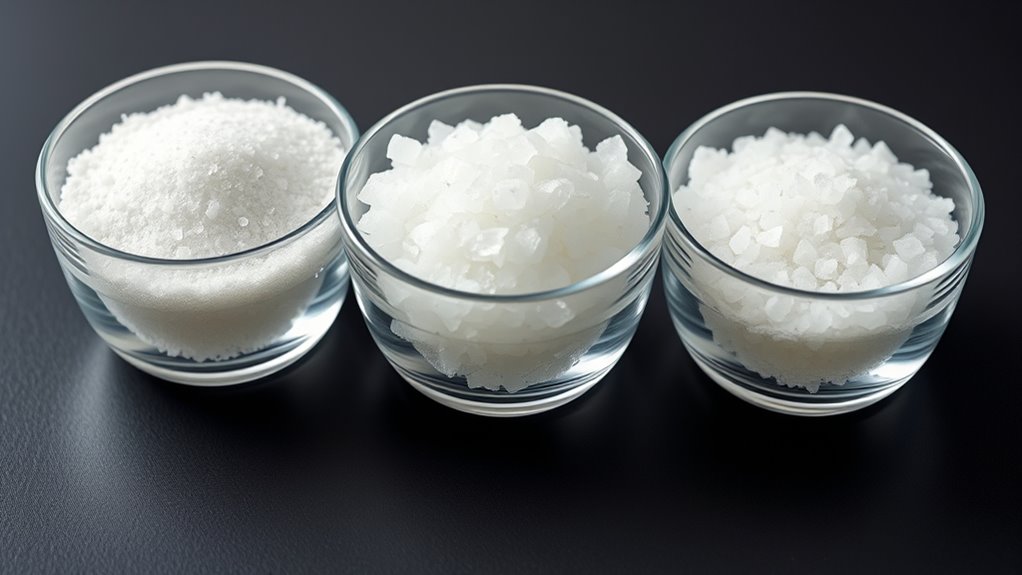
Have you ever wondered what makes your favorite sweets taste so sweet? It all comes down to the specific sugars used and how your body processes them. When you bite into a piece of candy or sip a sugary drink, you’re experiencing different sweetness levels, which depend on the type of sugar and your body’s metabolic differences. Sucrose, glucose, and dextrose each bring unique qualities to the table, influencing not just flavor but also how quickly your body absorbs and utilizes them.
Sucrose, commonly known as table sugar, is a disaccharide composed of glucose and fructose. Its sweetness level is moderate—less intense than pure glucose or dextrose—making it a popular choice for sweetening a wide range of foods. When you consume sucrose, your digestive system breaks it down into its monosaccharide components. Because of its structure, sucrose’s sweetness is balanced, providing just enough sweetness without overwhelming your palate. However, it’s vital to note that your metabolic differences—such as enzyme activity and insulin sensitivity—can influence how quickly you process sucrose. Some people might experience a rapid spike in blood sugar, while others metabolize it more slowly, affecting energy levels and hunger.
Sucrose’s moderate sweetness balances flavor and digestion, influenced by individual metabolic differences.
Glucose, on the other hand, is a simple sugar with a high sweetness level. It’s directly absorbed into your bloodstream, making it a quick energy source. Since your body recognizes glucose immediately, it doesn’t require much digestion, leading to rapid increases in blood sugar levels. Your metabolic differences play a crucial role here; those with insulin resistance or diabetes might experience more pronounced effects, like spikes and crashes in energy. Glucose is often used in sports drinks and energy gels because of its fast-acting nature, but it can also lead to quick hunger pangs once your blood sugar drops.
Dextrose, or dextrose monohydrate, is essentially the same as glucose in chemical structure and sweetness. It’s highly sweet and easily absorbed, providing rapid energy. Many food manufacturers add dextrose to processed foods, baked goods, and beverages because of its quick solubility and digestibility. Again, your metabolic differences determine how you respond. For example, if you have a sensitive insulin response, consuming dextrose can cause your blood sugar to spike sharply, leading to potential energy crashes afterward. Conversely, in athletes or individuals with high energy demands, dextrose offers an efficient way to replenish glycogen stores quickly.
Frequently Asked Questions
How Do These Sugars Impact Blood Sugar Levels Differently?
You’ll notice that glucose causes a rapid glycemic response and boosts insulin impact quickly because it’s absorbed fast. Dextrose has a similar effect, leading to a quick spike in blood sugar. Sucrose, however, breaks down into glucose and fructose, resulting in a slower, more moderate glycemic response and a gentler insulin impact. Your choice of sugar influences how sharply your blood sugar levels rise and fall afterward.
Are There Natural Sources for Each Type of Sugar?
You’ll find natural sources for each sugar in everyday fruit sources and plant origins. Sucrose comes from sugarcane and sugar beets, while glucose occurs naturally in fruits like grapes and berries. Dextrose, a form of glucose, is also found in honey and corn. These plant origins make it easy to incorporate natural sugars into your diet, giving you energy while enjoying the flavors of nature.
Can These Sugars Cause Allergies or Sensitivities?
Yes, these sugars can cause allergies or sensitivities. If you have sugar allergies, you might experience sensitivity symptoms like hives, swelling, or stomach issues after consuming sucrose, glucose, or dextrose. It’s important to check ingredient labels carefully, as these sugars are common in many processed foods. If you notice adverse reactions, consult with a healthcare professional to determine if you have a sugar allergy or sensitivity, and explore suitable alternatives.
How Do They Affect Dental Health Over Time?
You should know that consuming these sugars can lead to tooth decay and plaque formation over time. When you eat or drink sugary foods, the bacteria in your mouth feed on the sugars, producing acids that erode your enamel. This process increases the risk of cavities and gum issues. To protect your dental health, limit your sugar intake and maintain good oral hygiene habits like brushing and flossing regularly.
What Are the Best Alternatives for Low-Sugar Diets?
Imagine you switch from regular soda to a beverage with stevia or monk fruit sweetener. For low-sugar diets, try sugar substitutes like erythritol or xylitol, which provide sweetness without spiking blood sugar. These alternative sweeteners are naturally derived and often better for dental health. They let you enjoy sweet flavors while reducing your sugar intake, making them excellent choices for maintaining a healthier lifestyle.
Conclusion
Think of sugars like tools in a chef’s kit—they each have a unique role. When I baked my first bread, I realized how choosing the right sugar made all the difference, giving just the right sweetness and texture. Whether you pick sucrose, glucose, or dextrose, understanding their differences helps you create perfect recipes. Like selecting the right brush for a painting, choosing the right sugar enhances your culinary masterpiece every time.