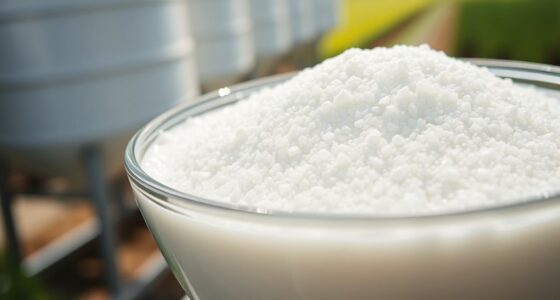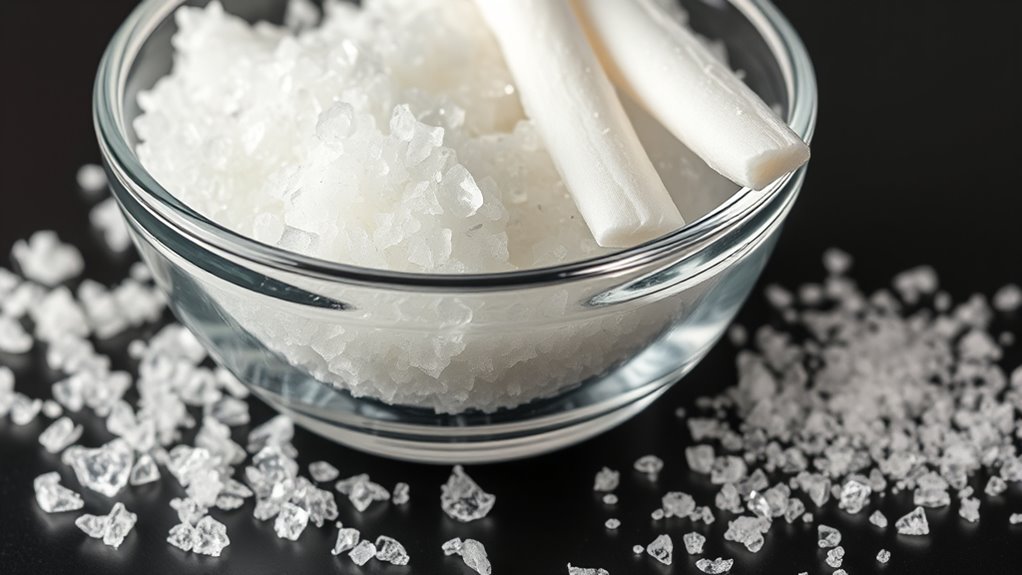

Sugar alcohols like sorbitol, xylitol, and erythritol are low-calorie sweeteners used in various foods and drinks. They mimic sugar’s taste and texture while helping you control blood sugar levels and protect your dental health. Made through advanced chemical and fermentation processes from natural sources, these polyols are popular among health-conscious consumers. If you want to explore how these sweeteners work and their benefits, there’s more intriguing information ahead.
Key Takeaways
- Sorbitol, xylitol, and erythritol are popular sugar alcohols used as low-calorie sweeteners in food products.
- Sorbitol is produced by hydrogenating glucose, while xylitol is derived from plant xylose, and erythritol through fermentation.
- These polyols mimic sugar’s taste and texture, offering fewer calories and lower glycemic impact.
- They support dental health by reducing cavity risk and do not ferment in the mouth.
- Modern chemical and fermentation processes ensure high purity and environmentally friendly production of these sweeteners.
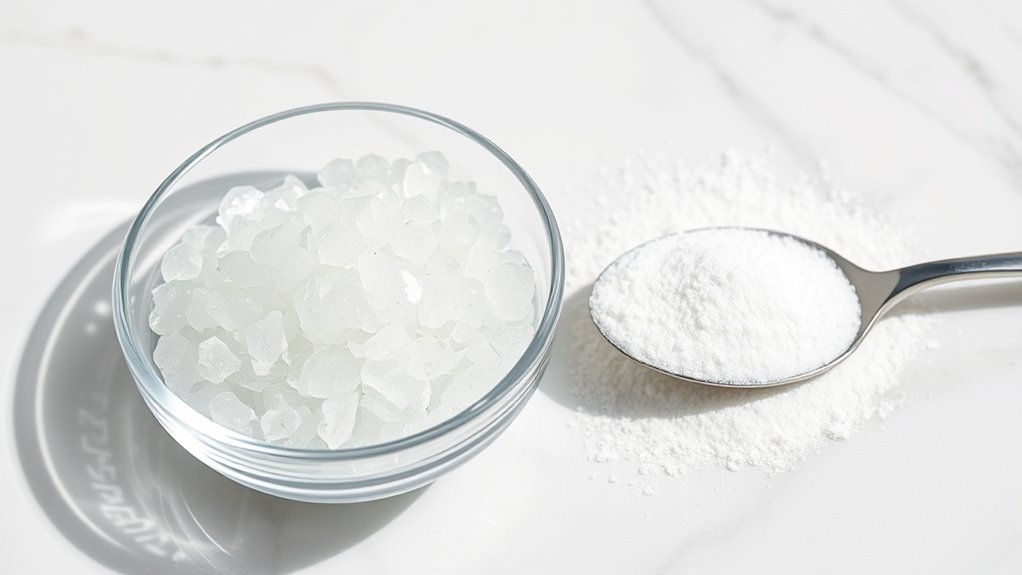
Sugar alcohols and polyols are sweeteners commonly used as alternatives to sugar in various foods and beverages. These compounds offer a way to enjoy sweet flavors without the high calorie count or blood sugar spikes associated with traditional sugar, making them popular among people managing diabetes or seeking healthier options. When exploring these sweeteners, it’s important to understand their health benefits and how they are produced. The manufacturing processes of sugar alcohols like sorbitol, xylitol, and erythritol are designed to create a product that closely mimics sugar’s taste and texture while providing fewer calories.
The health benefits of sugar alcohols are significant for certain populations. Since they are not fully absorbed in the digestive system, they tend to have a lower glycemic index compared to regular sugar. This means they cause less of a spike in blood glucose levels, which can help with blood sugar management. Additionally, some sugar alcohols, particularly xylitol and erythritol, have been shown to support dental health by reducing the risk of cavities. This is because they do not ferment in the mouth the way sugar does, thereby decreasing the acid production that erodes tooth enamel. *Moreover*, sugar alcohols contain fewer calories—about half as many as regular sugar—making them an attractive option for weight management.
Furthermore, the production of these sweeteners often involves advanced chemical reactions, highlighting the role of modern chemistry in developing healthier food ingredients. The manufacturing processes of these sweeteners involve complex chemical reactions. For sorbitol, it’s typically produced via the hydrogenation of glucose, which involves adding hydrogen to glucose molecules in the presence of a catalyst. Xylitol is derived from plant sources like birch wood or corn cobs through a process called hydrogenation of xylose, a sugar derived from hemicellulose. Erythritol is often made through fermentation, where certain yeast or fungi convert glucose or sucrose into erythritol. This fermentation method is environmentally friendly and efficient, producing high-purity erythritol with minimal byproducts. The result of these processes is a sweetener that tastes similar to sugar but with fewer calories and a different metabolic impact.
Frequently Asked Questions
Are Sugar Alcohols Safe for Children and Pregnant Women?
Sugar alcohols can be safe for children and pregnant women when consumed in moderation. Pediatric consumption is generally considered safe, but excessive intake might cause digestive issues like bloating or diarrhea. During pregnancy, it’s best to consult your healthcare provider, as some sugar alcohols may have laxative effects. Always read labels and limit intake to make certain pregnancy safety and support your child’s health without risking discomfort.
How Do Sugar Alcohols Impact Gut Health Long-Term?
You might notice that long-term consumption of sugar alcohols impacts your gut health by affecting your gut microbiota. They undergo fermentation effects in your intestines, which can lead to increased gas, bloating, and discomfort. While moderate intake may be harmless, excessive use could disrupt the balance of beneficial bacteria, potentially causing digestive issues over time. Monitoring your body’s response helps maintain a healthy gut environment.
Can Sugar Alcohols Cause Allergic Reactions?
Yes, sugar alcohols can cause allergic reactions in some people. You might experience immune response symptoms like itching, swelling, or hives after consuming products with sorbitol, xylitol, or erythritol. Although rare, these allergic symptoms occur when your immune system reacts to the sugar alcohols as if they were harmful. If you notice any unusual symptoms, it’s best to avoid these sweeteners and consult a healthcare professional.
Do Sugar Alcohols Affect Blood Sugar Levels Differently Than Other Sweeteners?
Imagine you eat a sugar-free gum with xylitol; your blood sugar response might be milder than with regular sugar due to its lower glycemic index. Sugar alcohols generally cause less fluctuation in blood sugar levels because they have a lower glycemic index comparison to traditional sugars. However, individual responses vary, so monitor your blood sugar levels to see how each sweetener impacts you personally.
Are There Any Interactions Between Sugar Alcohols and Medications?
You should be aware that sugar alcohols can cause drug interactions, especially by interfering with medication absorption. When you consume products containing sorbitol, xylitol, or erythritol, they may reduce how well your body absorbs certain drugs, potentially decreasing their effectiveness. It’s wise to talk to your healthcare provider if you’re on medication, as they might recommend avoiding sugar alcohols around your dosing times to prevent absorption interference.
Conclusion
Now that you’ve explored sugar alcohols like sorbitol, xylitol, and erythritol, you can see how they act as sweet, low-calorie alternatives, almost like tiny, shimmering gems replacing sugar. These polyols offer you a healthier sweetness, helping you cut calories without sacrificing flavor. Think of them as your sweet escape—light and bright—guiding your choices towards better health. Embrace these natural wonders, and let your sweet journey shine brighter and smarter.