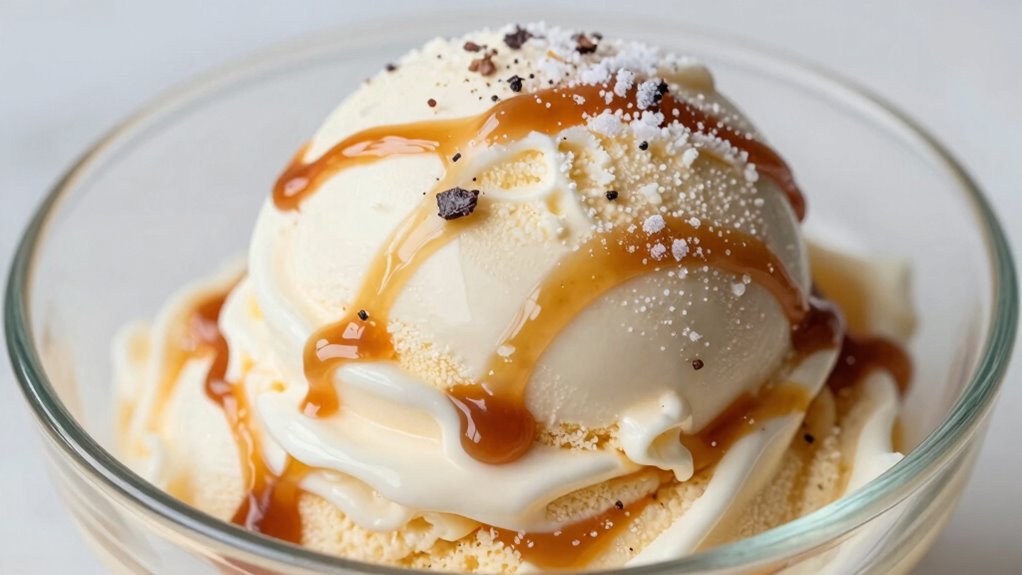

When you see “natural flavor” on frozen desserts, it can hide a mix of ingredients that aren’t entirely natural. This term often masks artificial additives or lab-made compounds, making it hard to know what’s truly in your treat. Manufacturers can include artificial ingredients while claiming “natural,” so your dessert may not be as pure as it seems. If you want to uncover what’s really inside, there’s more to discover about these hidden ingredients.

Get baking supplies delivered free with Prime
- Fast, free delivery on millions of items
- Prime Video, Amazon Music and more included
- Member-only deals all year
Key Takeaways
- “Natural flavor” can include both natural sources and lab-created, synthetic ingredients, not necessarily pure or natural.
- The term often masks artificial additives that enhance flavor and extend shelf life without detailed disclosure.
- Labeling lacks transparency, making it difficult for consumers to distinguish between natural and artificial ingredients.
- “Natural flavor” does not guarantee the flavor’s origin, as it may involve concentrates, extracts, or synthetic compounds.
- Consumers should look for brands with clearer, more detailed ingredient labeling to ensure ingredient transparency.
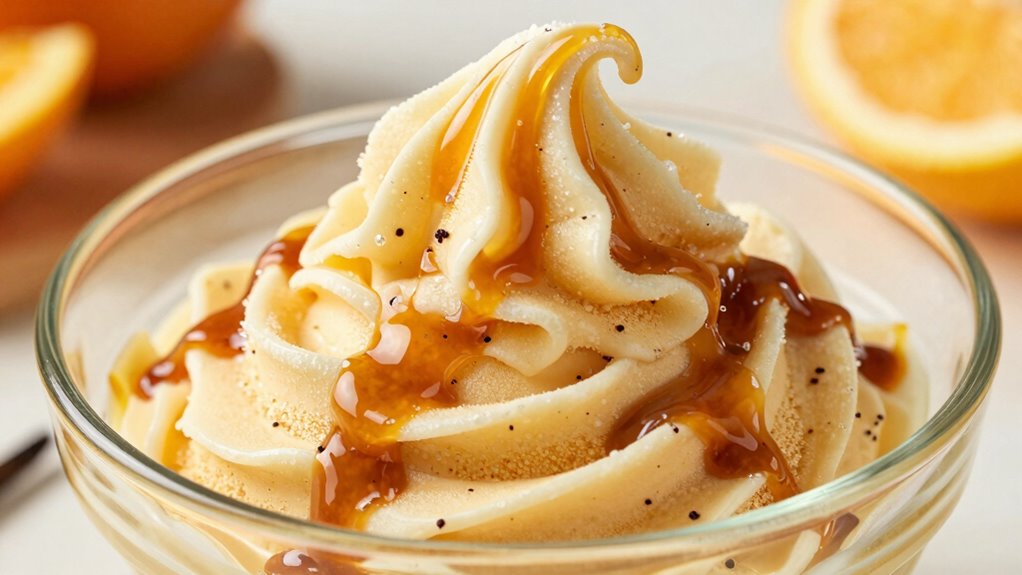
When you see “natural flavor” listed on a frozen dessert label, it might seem straightforward, but the term often masks a complex and sometimes confusing reality. Manufacturers use this phrase to describe a wide range of flavoring ingredients, many of which aren’t as pure or simple as they sound. Instead of specifying the exact fruits, spices, or other natural sources used, companies rely on “natural flavor” as a catch-all. This can leave you in the dark about what’s really in your treat. The key issue here is artificial additives, which are often part of the flavoring process, even when the label claims “natural.” These additives can enhance or stabilize flavors, extend shelf life, or improve texture, but they’re not always disclosed explicitly. This blurred line between natural and artificial ingredients raises questions about label transparency. When food manufacturers don’t fully disclose what’s behind “natural flavor,” it erodes your ability to make informed choices.
You might assume that “natural flavor” means the product contains only ingredients derived directly from fruits, nuts, or other natural sources. However, the reality is often more complicated. These flavors can be created in labs using chemical processes that mimic natural tastes. Sometimes, they’re made from concentrate or extracts, but other times, they involve synthetic substances that aren’t clearly identified on the packaging. This lack of transparency makes it difficult to know whether you’re truly consuming natural ingredients or just a manufactured imitation. If you’re sensitive to certain additives or trying to avoid artificial ingredients altogether, relying solely on the label can be risky. The phrase “natural flavor” doesn’t guarantee the absence of artificial additives; in fact, it can obscure their presence. label transparency remains a significant concern in the food industry, making it even more important for consumers to stay informed. This ambiguity emphasizes the importance of label transparency. You deserve to know exactly what’s in your food, especially when it comes to ingredients that impact your health or dietary preferences. Sadly, many labels don’t provide detailed information about the specific sources of flavors, leaving consumers guessing. Some companies are starting to adopt clearer labeling practices, but overall, the industry still relies heavily on vague terms like “natural flavor.” As a conscious consumer, you should ask questions and seek out brands that prioritize transparency. Being aware of industry practices can help you make more informed decisions about the foods you choose. It’s also helpful to educate yourself about regulatory standards that govern food labeling, as these can vary and influence how clearly ingredients are disclosed.
Frequently Asked Questions
Are “Natural Flavors” Always Derived From Fruits or Plants?
No, natural flavors aren’t always derived from fruits or plants. They can come from various botanical sources through flavor extraction processes, but sometimes, they also include animal or microbial sources. Companies might use different methods to create these flavors, focusing on maintaining naturalness. So, while many natural flavors come from plants, it’s not a rule, and some may involve other biological origins, making the actual source diverse.
Do “Natural Flavors” Contain Allergens?
You might be surprised, but natural flavors can contain allergens, even though they’re derived from natural sources. They sometimes include artificial substitutes or use flavor mimicry to replicate specific tastes, which can introduce allergens like nuts or dairy. Since ingredients can vary, always check labels carefully. If you have allergies, it’s wise to contact manufacturers directly for detailed information, ensuring your dessert choice is safe and allergen-free.
How Can I Tell if “Natural Flavor” Is Authentic?
To determine if “natural flavor” is authentic, look for clarity in ingredient labels and seek brands committed to transparency. You can contact manufacturers directly for detailed info or check if they adhere to third-party standards. Authentic natural flavors usually have clear descriptions, helping you identify their origin. By prioritizing ingredient transparency, you guarantee the flavor you’re enjoying aligns with your expectations of natural, genuine ingredients.
Are “Natural Flavors” More Expensive Than Artificial Ones?
Natural flavors are generally more expensive than artificial ones because they involve more complex extraction processes and higher-quality ingredients. You might notice a higher cost comparison on products with natural flavors, but they often offer better flavor stability and a more authentic taste. If you prioritize natural ingredients and richer flavors, expect to pay a bit more, as these factors contribute to the overall cost difference.
Do Regulations Vary by Country Regarding “Natural Flavor” Labeling?
Regulatory differences definitely exist across countries regarding “natural flavor” labeling. You’ll find that labeling standards vary, with some nations requiring detailed ingredient disclosures, while others allow broader terms. These differences can impact your understanding of product ingredients. It’s smart to check local regulations, as they influence how companies label natural flavors and guarantee transparency. Being aware of these variations helps you make more informed choices when selecting frozen desserts or other products.
Conclusion
Next time you enjoy a frozen treat labeled “natural flavor,” remember it’s like a whisper of nature’s secrets wrapped in mystery. Behind those words, a complex symphony of ingredients dances unseen, inviting you to look closer and savor with curiosity. Just as a hidden gem gleams beneath its surface, understanding these subtle flavors deepens your appreciation, transforming a simple dessert into a mindful indulgence. Embrace the intrigue, and let your taste buds explore the artistry concealed within every spoonful.
Halloween Picks
halloween
As an affiliate, we earn on qualifying purchases.